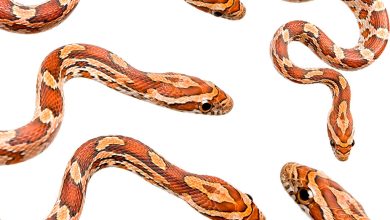
Corn snakes (Pantherophis guttatus) are popular reptiles, known for their striking colours, docile nature, and relatively easy care requirements. Native to the southeastern United States, these non-venomous colubrids make ideal pets for both beginners and experienced reptile enthusiasts. However, like all animals, understanding their behaviour is essential for ensuring their well-being. This article explores the intricacies of corn snake behaviour, from their natural instincts in the wild to common behaviours observed in captivity.
Natural Habitat and Behaviour in the Wild
Corn snakes are primarily found in the southeastern United States, where they thrive in a variety of habitats, including overgrown fields, forests, grasslands, and abandoned buildings. Their name is derived from their frequent presence in cornfields, where they help control the rodent population. In the wild, corn snakes exhibit behaviours that are shaped by their need for survival, including hunting, hiding, and thermoregulating.
- Nocturnal and Crepuscular Activity: While corn snakes can be active at any time of day, they are primarily crepuscular, meaning they are most active during twilight hours—early morning and late evening. This behaviour allows them to avoid the heat of the day and potential predators.
- Hunting and Feeding Behaviour: In the wild, corn snakes are constrictors. They hunt by stalking their prey, usually small rodents, birds, and sometimes amphibians. They strike quickly, biting their prey to immobilise it, and then coil around it to suffocate it before swallowing it whole. Their diet in the wild largely consists of small mammals, especially mice and rats, which is why they are considered beneficial to farmers.
- Hiding and Shelter: Corn snakes are secretive animals, spending much of their time hiding in burrows, under logs, or within crevices. This behaviour serves multiple purposes: protection from predators, conserving energy, and maintaining an optimal body temperature. In their natural environment, they seek out sheltered spots during the day to avoid predators and extreme temperatures.
Corn Snake Behaviour in Captivity
Corn snakes are adaptable creatures, and with the right care, they thrive in captivity. However, their behaviour can differ from their wild counterparts due to the controlled conditions of their enclosures. Here are some key behaviours observed in captive corn snakes:
- Exploratory Behaviour: Corn snakes are naturally curious animals. In a well-structured enclosure, they will spend time exploring their surroundings, moving through various hides, climbing branches, and investigating their environment. Providing enrichment in the form of rocks, climbing branches, and hides encourages this natural exploratory behaviour and contributes to their mental and physical well-being.
- Burrowing and Hiding: Even in captivity, corn snakes retain their instinct to hide. Hides are essential in any corn snake enclosure, providing a safe space where the snake feels secure. Offering multiple hides in different temperature zones allows the snake to regulate its body temperature while feeling safe. Corn snakes also exhibit burrowing behaviour, especially if given a suitable substrate, such as aspen shavings or coconut fibre.
- Thermoregulation: Like all reptiles, corn snakes are ectothermic, meaning they rely on external sources of heat to regulate their body temperature. In the wild, they move between sunny and shaded areas to warm up or cool down as needed. In captivity, this behaviour is replicated when the snake moves between the warm side and the cooler side of the enclosure. It’s essential to provide a temperature gradient in the enclosure, typically with a warm side at around 29°C (84°F) and a cooler side around 21°C (70°F).
- Feeding Responses: Corn snakes in captivity often display strong feeding responses. When they are hungry, they may become more active, exploring their enclosure in search of food. Once prey (typically thawed frozen mice) is introduced, they will strike quickly, coiling around the prey item before swallowing it whole. It’s important to remember that corn snakes may not always want to feed, especially if they are shedding or if the enclosure’s temperature is too low.
- Shedding Behaviour: Like all snakes, corn snakes periodically shed their skin. This process, called ecdysis, occurs as the snake grows. During this time, the snake’s behaviour may change; it may become more reclusive and refuse food. The eyes of the snake may turn cloudy or bluish, indicating that the shedding process is about to begin. Providing a humid hide or misting the enclosure slightly can help ensure a smooth shed.
- Stress Indicators: Corn snakes are generally calm and docile, but stress can cause them to exhibit unusual behaviours. Signs of stress in corn snakes include excessive hiding, refusing food, frequent striking or hissing, and prolonged periods of inactivity. Stress can be caused by improper enclosure conditions (e.g., incorrect temperature or humidity), lack of hides, or too much handling. Ensuring the snake’s enclosure mimics its natural habitat and limiting handling to short periods can help reduce stress.
Understanding Corn Snake Body Language
Corn snakes communicate primarily through body language. Being able to interpret their postures and movements is crucial for understanding their emotional state and ensuring they are comfortable in their environment.
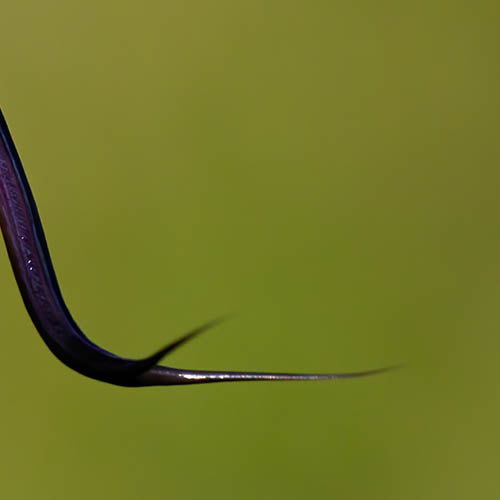
- Relaxed Movements: A corn snake that moves slowly and smoothly around its enclosure is generally calm and comfortable. This is a sign that the snake feels safe and is exploring or moving to regulate its body temperature.
- Coiling Tightly: When a corn snake coils tightly in its hide or around an object, it is usually a sign of defensive behaviour. This indicates that the snake is trying to protect itself or feels threatened. In the wild, this behaviour is used to protect vital organs when a predator is near.
- Striking and Hissing: These are defensive behaviours and occur when the snake feels scared or cornered. While corn snakes are usually docile, they may strike if they are startled or handled improperly. Striking and hissing are often a snake’s way of saying, “I’m not comfortable.” If you notice this behaviour, it’s best to give the snake space to calm down.
- Tail Vibrating: Some corn snakes may vibrate their tails rapidly when they are startled or feel threatened. This is a behaviour that mimics rattlesnakes, although corn snakes lack a rattle. In the wild, this could deter predators by making the snake appear more dangerous than it is. In captivity, it’s a sign the snake is nervous or afraid.
- Tongue Flicking: Corn snakes constantly flick their tongues to gather information about their surroundings. This behaviour is normal and indicates the snake is curious or investigating something in its environment. The tongue flicking allows the snake to “taste” the air, picking up scent particles that help it understand what is nearby, including potential food or threats.
Behavioural Changes Due to Environment
A corn snake’s behaviour can be heavily influenced by its environment, and slight changes in habitat can lead to noticeable differences in behaviour. It is vital to understand these influences to ensure your snake’s health and happiness.
- Temperature Changes: Temperature plays a significant role in a corn snake’s behaviour. If the enclosure is too cold, the snake may become lethargic, stop eating, and spend excessive time in its hide. Conversely, if the enclosure is too warm, the snake may become restless, constantly moving to find a cooler area. Keeping the temperature within the optimal range is crucial for maintaining healthy behaviour patterns.
- Humidity Levels: Proper humidity is essential for corn snakes, especially during shedding. If the humidity is too low, the snake may have difficulty shedding, resulting in retained skin, which can lead to health problems. High humidity can lead to respiratory issues. Ideally, the enclosure should have a humidity level between 40-50%, with a slight increase during shedding periods.
- Size of Enclosure: The size of the enclosure can also influence behaviour. Corn snakes are active and enjoy exploring their environment. If housed in a very small enclosure, they may become stressed or inactive. Providing a spacious enclosure with ample hiding spots, climbing opportunities, and a temperature gradient ensures they remain active and engaged.

Handling and Interaction with Corn Snakes
One of the reasons corn snakes are popular pets is their generally calm demeanour and tolerance for handling. However, it’s important to understand the best practices for interacting with your corn snake to ensure that handling is a positive experience for both the snake and the handler.
- Approaching the Snake: Always approach your corn snake calmly and avoid sudden movements. If the snake is hiding or in its hide, it’s best to let it come out on its own before attempting to handle it. Snakes can become stressed if they feel they are being cornered or trapped.
- Lifting and Supporting the Snake: When handling a corn snake, it’s essential to support its body fully, particularly around the middle section. Allow the snake to move freely through your hands, and avoid gripping it too tightly. Snakes are not aggressive by nature, but they may react defensively if they feel threatened or restrained.
- Handling Frequency: Corn snakes can tolerate regular handling, but it’s essential to balance this with their natural needs. Over-handling can lead to stress, especially if the snake is still adjusting to its environment. Younger snakes may be more skittish and need time to grow accustomed to handling. Start with short handling sessions and gradually increase the time as the snake becomes more comfortable.
Breeding and Reproductive Behaviour
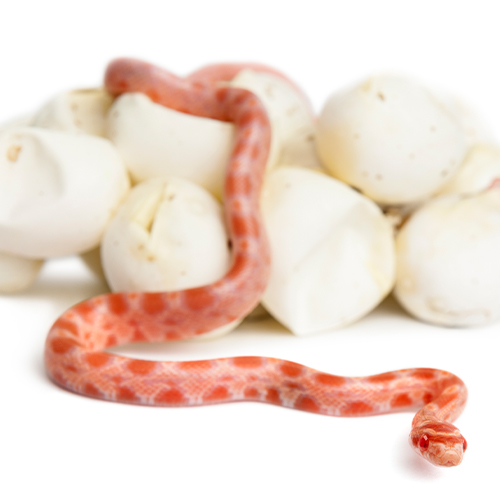
Corn snakes exhibit unique behaviours during the breeding season. Understanding these behaviours is crucial for breeders or owners who wish to breed their snakes.
- Brumation: Before the breeding season, many breeders subject their corn snakes to a period of brumation, a form of hibernation, to simulate the colder months of their natural habitat. During this time, the snakes reduce their activity levels and feeding. After the brumation period ends and temperatures rise, the snakes will become more active and ready to breed.
- Mating Behaviour: Male corn snakes will become more active and may exhibit increased roaming behaviour as they search for a mate. When a male encounters a female, he will engage in courtship by aligning his body with hers and attempting to stimulate her with his spurs (small, vestigial limbs near the tail). If the female is receptive, mating will occur.
- Egg-Laying Behaviour: After mating, a female corn snake will look for a suitable location to lay her eggs. In captivity, providing a moist hide with a substrate such as sphagnum moss will give her a comfortable place to lay her eggs. Females may become more restless during this time as they search for the right location.
Corn snakes are fascinating reptiles with a range of behaviours that reflect their adaptability and instincts. Understanding these behaviours is key to providing a healthy and stimulating environment for them, both in the wild and in captivity. By observing their actions, ensuring proper enclosure conditions, and respecting their natural instincts, owners can foster a bond with their corn snake while keeping them happy and healthy.
References:
Bartlett, R.D., & Bartlett, P. (2019). Corn Snakes and Other Rat Snakes: Everything About Acquisition, Care, Nutrition, Breeding, and Behavior. Barron’s Educational Series.
Mattison, C. (2019). Corn Snakes and Other Rat Snakes. B.E.S. Publishing.
Rossi, J.V., & Rossi, R. (2016). Corn Snakes: The Comprehensive Owner’s Guide. Advanced Vivarium Systems.
O’Shea, M. (2007). A Guide to the Snakes of the Southeastern United States. University Press of Florida.
De Vosjoli, P. (2021). The Corn Snake Manual. T.F.H. Publications.