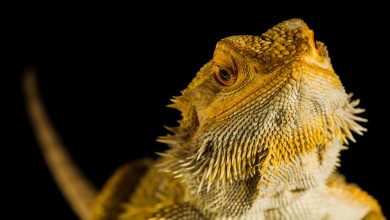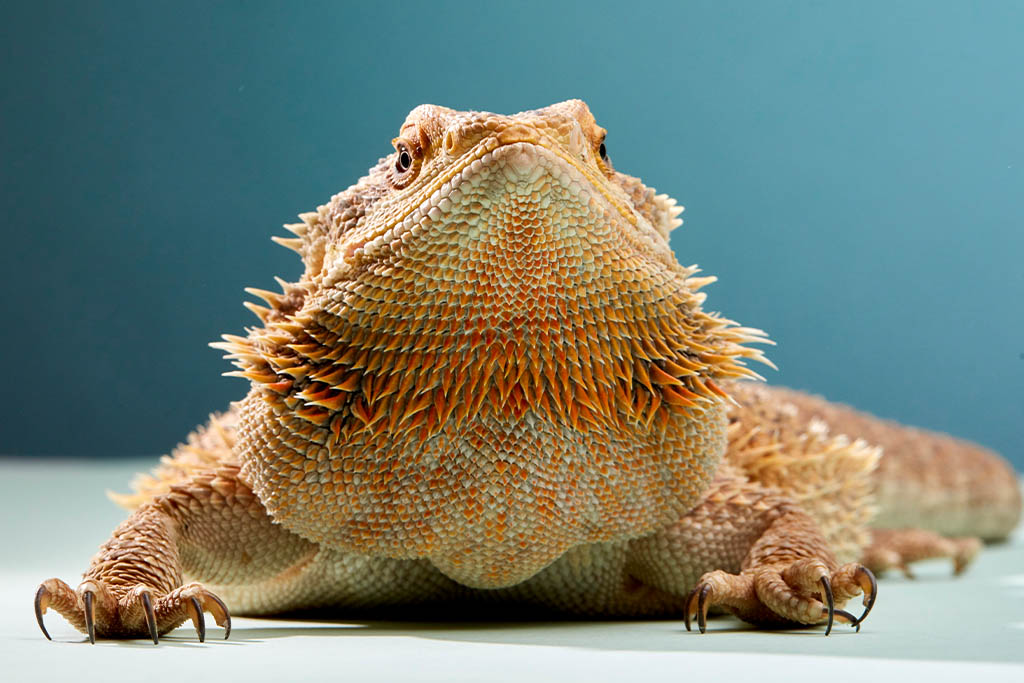
Bearded dragons, scientifically known as Pogona vitticeps, have become one of the most popular pet reptiles in recent years. Their docile nature, relatively straightforward care requirements, and fascinating behaviours make them appealing to both novice and experienced reptile enthusiasts. Understanding the behaviour of bearded dragons is essential for their proper care and for fostering a healthy human-animal bond. This article explores various aspects of bearded dragon behaviour, including their social interactions, communication methods, environmental influences, and how owners can ensure their pets are happy and healthy.
Social Structure and Behaviour
Natural Social Dynamics
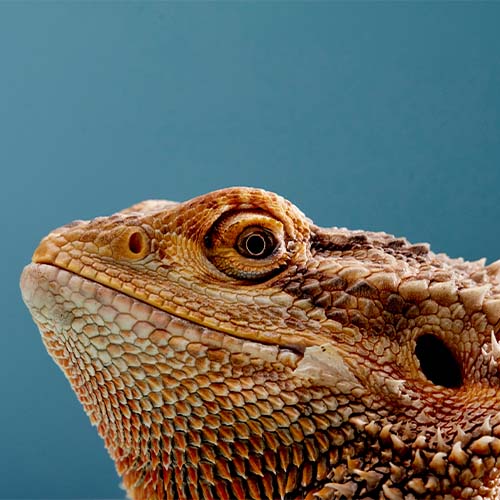
Bearded dragons are native to Australia and inhabit a range of environments, from woodlands to arid deserts. In the wild, they are semi-social creatures, often seen basking together but primarily solitary hunters. This solitary nature is crucial to understanding their behaviour in captivity, where they may exhibit territorial or aggressive behaviours if they feel threatened.
Territoriality
In their natural habitat, bearded dragons establish territories, particularly during the breeding season. Males are particularly prone to displaying territorial behaviour. When kept in captivity, males should not be housed together due to potential aggression stemming from territorial disputes. Understanding this behaviour helps prevent fights and injuries, ensuring a harmonious environment for your pet.
Dominance Displays
Bearded dragons have a hierarchy that often involves displays of dominance. Males will often engage in head-bobbing and arm-waving to assert their dominance or submit to another dragon. These behaviours are particularly pronounced during mating rituals. Owners should observe these interactions, especially in multi-dragon setups, to intervene if necessary.
Communication
Body Language
Bearded dragons are highly communicative creatures that utilise body language to convey a variety of messages. Understanding these signals can help owners interpret their pets’ needs and emotions.
- Head Bobbing: This is a common display of dominance or aggression in males. A quick, repetitive bobbing indicates confidence, while slower bobs may indicate submission.
- Arm Waving: Often seen in both males and females, arm waving is a submissive behaviour, indicating that the dragon does not wish to challenge a dominant individual. This behaviour is usually more pronounced in younger dragons or those that feel threatened.
- Colour Changes: Bearded dragons can change colour based on their mood, temperature, and health. Darker colours often indicate stress or discomfort, while lighter hues may suggest relaxation or contentment.
Vocalisations
While bearded dragons are generally quiet creatures, they do produce a range of sounds. Hissing is typically a warning signal, indicating that the dragon feels threatened. Some dragons may also make softer sounds, such as chirps or clicks, often during mating displays or as a means of communication with their owners.
Environmental Influences
Habitat Setup
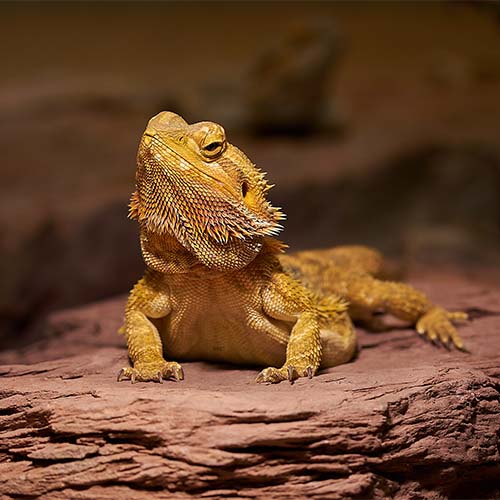
The environment significantly impacts a bearded dragon’s behaviour. A well-structured habitat can promote natural behaviours and overall well-being. Here are essential components to consider:
- Basking Area: Bearded dragons require a basking area with a temperature between 38-42°C (100-108°F) to regulate their body temperature. Providing a suitable basking spot encourages natural sunbathing behaviours.
- Hiding Spots: Incorporating hiding spots within the enclosure allows dragons to retreat when feeling stressed or threatened. This is crucial for their mental well-being.
- Climbing Structures: Bearded dragons are naturally inclined to climb, so providing branches or platforms helps them exhibit natural behaviours and enhances their physical health.
Lighting and Temperature
Proper lighting is essential for bearded dragons. UVB lighting aids in synthesising vitamin D3, which is crucial for calcium absorption. Without adequate UVB exposure, bearded dragons can develop metabolic bone disease, leading to severe health issues. Owners should ensure their dragons have access to UVB lighting for at least 10-12 hours a day.
Temperature regulation is also vital. A gradient should be established within the enclosure, allowing the dragon to move between warmer and cooler areas to maintain its preferred body temperature. Inadequate temperature regulation can lead to lethargy, stress, and illness.
Feeding Behaviours
Diet in the Wild
In the wild, bearded dragons are omnivorous, consuming a diet of insects, fruits, and vegetables. Their feeding behaviour can vary based on availability and season, and understanding this can help owners create a balanced diet for their pets.
Feeding in Captivity
When feeding bearded dragons in captivity, it is essential to mimic their natural diet as closely as possible. Juveniles require a higher percentage of protein (70% insects and 30% vegetables) compared to adults, who typically thrive on a 30% protein and 70% vegetable diet.
- Insects: Crickets, locusts, roaches, and mealworms are common protein sources. It is crucial to ensure these insects are appropriately sized for the dragon, as feeding oversized prey can lead to choking or digestive issues.
- Vegetables: Leafy greens like collard greens, mustard greens, and dandelion greens should make up the bulk of their vegetable intake. Offering a variety of colours and textures can stimulate their interest in food.
Behaviour During Feeding
Bearded dragons exhibit unique behaviours during feeding. Some may actively hunt for food, while others may prefer to wait for food to come to them. Observing your dragon’s feeding habits can help determine their preferences and tailor feeding routines accordingly.
Handling and Interaction

Taming and Socialisation
Bearded dragons can be socialised and become accustomed to handling, but this process requires patience. Start by allowing your dragon to observe you without handling, then gradually introduce gentle handling sessions. Over time, your dragon will become more comfortable with human interaction.
Signs of Stress
It is vital to recognise signs of stress or discomfort during handling. If your bearded dragon displays rapid head movements, attempts to escape, or becomes aggressive, it may indicate that they are overwhelmed. In such cases, return them to their habitat to allow them to calm down.
Positive Interaction Techniques
To foster a positive relationship, consider the following techniques:
- Gentle Handling: Support their body and avoid grasping them too tightly. Be mindful of their body language and stop if they seem distressed.
- Feeding from Hand: Offering food from your hand can help create positive associations with your presence and promote trust.
- Regular Interaction: Regular, calm interaction will help your bearded dragon become accustomed to human contact, making them more comfortable over time.
Health Indicators
Recognising Health Issues
Bearded dragons can exhibit changes in behaviour when unwell. Owners should be vigilant for signs of illness, including:
- Lethargy: A sudden decrease in activity may indicate health problems.
- Changes in Appetite: A lack of interest in food can be a warning sign.
- Abnormal Bowel Movements: Changes in colour or consistency can indicate digestive issues.
- Behavioural Changes: Increased aggression or withdrawal can signal stress or illness.
Regular Veterinary Care
Regular veterinary check-ups are crucial for maintaining your bearded dragon’s health. An experienced exotic veterinarian can provide necessary vaccinations and monitor for any signs of disease, ensuring a long and healthy life for your pet.
Understanding bearded dragon behaviour is essential for ensuring their well-being and creating a nurturing environment. By recognising their social dynamics, communication methods, environmental needs, feeding habits, and health indicators, owners can foster a strong bond with their reptiles. As captivating creatures with unique personalities, bearded dragons deserve the best care to thrive in captivity.
References
Bearded Dragon Care. (2022). The Spruce Pets.
Smith, B. (2023). Bearded Dragons: The Complete Guide to Pet Care and Behavior. Reptile Publishing.
Graham, L. (2021). “Understanding Bearded Dragon Behaviour: Communication and Social Structure.” Journal of Herpetology, 55(2), 145-158.
Lutz, P. (2022). Reptile Health and Nutrition. Oxford University Press.
Heller, J. (2020). “Feeding Your Bearded Dragon: An Overview of Their Diet.” Reptiles Magazine.
McCune, L. (2019). “Environmental Enrichment for Bearded Dragons.” Journal of Zoo and Wildlife Medicine, 50(3), 653-661.
Ingram, L. (2024). “Taming and Socialisation of Bearded Dragons: Best Practices.” Exotic Pet Magazine.