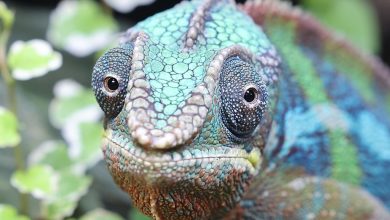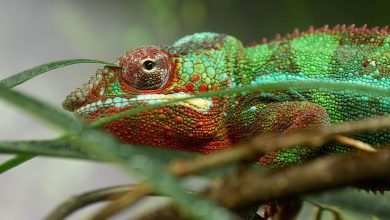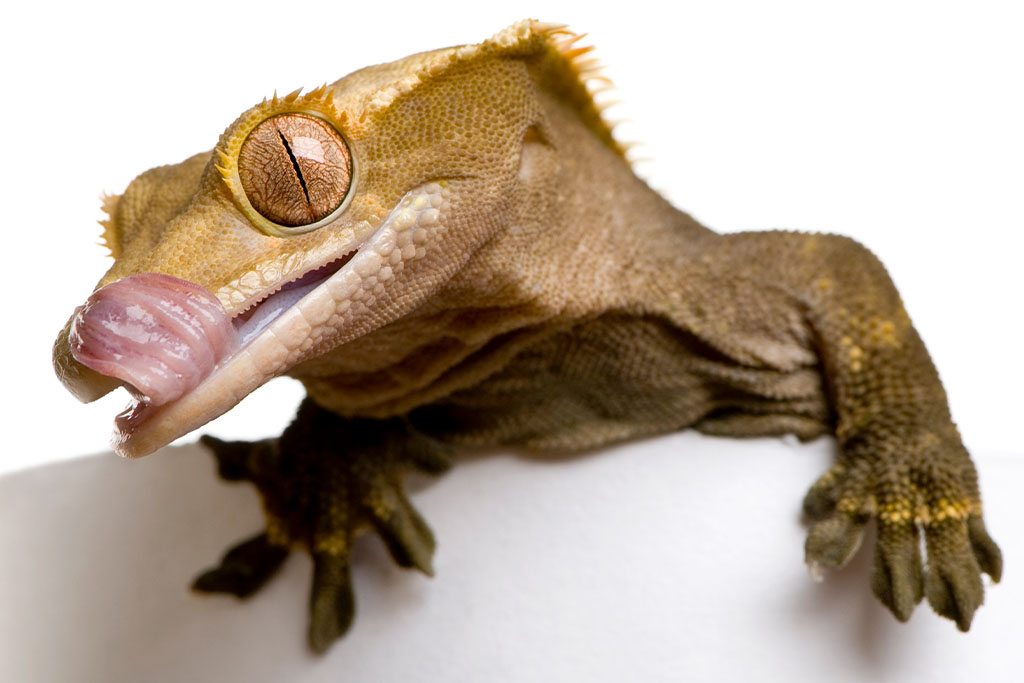
Crested geckos (Correlophus ciliatus), native to New Caledonia, have become increasingly popular pets due to their unique appearance, easy care requirements, and docile nature. However, owning a crested gecko requires specific supplies to ensure their health and well-being. This article outlines the top ten essential supplies needed for crested geckos, providing a comprehensive guide for both new and experienced reptile enthusiasts.
1. Terrarium or Enclosure
The first essential supply for any crested gecko owner is a suitable terrarium or enclosure. A well-ventilated enclosure provides the necessary space for your gecko to roam, climb, and explore. A minimum size of 45 x 45 x 60cm (~20 gallons) is recommended for a single adult crested gecko. The enclosure should be tall rather than wide, as crested geckos are arboreal and enjoy climbing. Look for glass or plastic terrariums with proper ventilation and a secure lid to prevent escapes.
2. Substrate
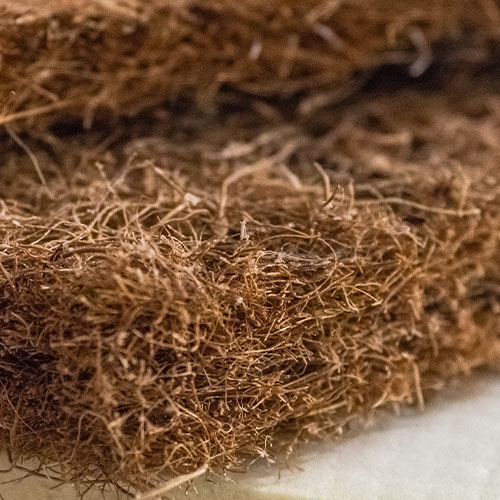
Selecting the right substrate is crucial for maintaining a healthy environment. Crested geckos thrive in humidity, so a substrate that retains moisture is beneficial. Options include:
- Coconut fibre: This substrate retains humidity well and is a natural choice for crested geckos.
- Sphagnum moss: Moss is also great for humidity and adds a natural touch to the terrarium.
- Paper towels: An easy-to-clean option, suitable for hatchlings or those prone to substrate ingestion.
Avoid using cedar or pine shavings, as these can be toxic to reptiles.
3. Hiding Spots and Climbing Structures
Crested geckos require hiding spots to feel secure in their environment. Incorporate various hiding spots using:
- Hollow logs: These provide a natural hiding place and can double as climbing structures.
- Caves: Commercially available caves made from resin or ceramic can offer additional shelter.
- Branches and vines: Adding real or artificial branches allows your gecko to climb and explore, replicating their natural habitat.
Ensure that the hiding spots are stable and cannot tip over.
4. Heating and Lighting
Although crested geckos are nocturnal and do not require intense lighting, they do need a consistent temperature range to thrive. The ideal temperature for crested geckos is between 20°C and 26°C (68°F to 79°F) during the day. Night-time temperatures can drop slightly without causing harm.
- Under-tank heaters: These can be used to maintain ambient temperatures in the enclosure, but avoid direct heat sources that can cause burns.
- LED or fluorescent lighting: While not essential, providing a low-level light source during the day can help mimic their natural environment. Use a light that emits minimal heat to prevent overheating.
5. Humidity Control
Crested geckos require a humidity level between 50% and 70% for optimal health. Maintaining proper humidity is essential for shedding and overall well-being. Several tools can help manage humidity levels:
- Hygrometer: This device measures humidity levels inside the terrarium. Digital hygrometers are easy to read and can provide accurate readings.
- Misting system: Automatic misting systems can maintain humidity levels consistently. Alternatively, manual misting with a spray bottle can also be effective.
- Water bowls: Providing a shallow water dish not only helps maintain humidity but also gives your gecko a source of hydration.

6. Diet and Feeding Supplies
Crested geckos are primarily frugivorous, meaning they eat fruit. A balanced diet is crucial for their health. The following supplies are necessary for feeding:
- Commercial crested gecko diet: Many brands offer powdered diets that only require water to prepare. Look for diets high in calcium and vitamins.
- Fresh fruit: Occasionally offering small pieces of mashed banana, papaya, or other soft fruits can add variety to their diet.
- Feeding dishes: Shallow dishes for the powdered diet or fresh fruit prevent spills and make feeding easier.
Always remove uneaten food after a few hours to maintain cleanliness in the enclosure.
7. Calcium and Vitamin Supplements
Proper supplementation is vital for the health of your crested gecko. These supplements help prevent metabolic bone disease and other health issues associated with a poor diet. The following are essential:
- Calcium powder: Dusting your gecko’s food with calcium powder several times a week will ensure they receive the necessary calcium for strong bones.
- Multivitamins: A quality multivitamin supplement should be given once or twice a week to provide essential vitamins and minerals.
Ensure the supplements are specifically formulated for reptiles, as they contain the necessary nutrients without harmful additives.
8. Cleaning Supplies
Maintaining a clean environment is crucial for your crested gecko’s health. Regular cleaning helps prevent the build-up of harmful bacteria and parasites. Essential cleaning supplies include:
- Non-toxic disinfectant: Look for reptile-safe cleaners or use a diluted vinegar solution to clean surfaces.
- Paper towels or sponges: Use these for cleaning and maintaining hygiene in the enclosure.
- Scrub brushes: A soft brush can help clean decorations and surfaces without damaging them.
Perform regular spot cleaning and a deep clean every few weeks to keep the terrarium hygienic.

9. Thermometers and Timers
Monitoring the temperature and humidity levels is essential for your crested gecko’s health. Investing in quality measuring devices will help you maintain a stable environment. Key items include:
- Digital thermometer: A digital thermometer can provide accurate temperature readings and can be placed inside the enclosure to monitor conditions.
- Temperature gradient: Creating a temperature gradient (warmer on one side and cooler on the other) allows your gecko to thermoregulate.
- Timer: If using a lighting system, a timer ensures that your gecko receives a consistent day/night cycle.
10. Emergency Supplies
Being prepared for emergencies is vital for any pet owner. While crested geckos are generally hardy, having emergency supplies on hand can help in case of unforeseen circumstances. Essential items include:
- Antiseptic solutions or wipes: Keep checking dates on products to avoid them going out of date.
- Transport container: A small, secure container is necessary for safe transportation to a vet or during relocation.
- Contact information for a reptile vet: Having a local vet who specialises in reptiles is essential for emergencies.
Owning a crested gecko can be a rewarding experience, but it requires careful planning and attention to detail. By ensuring you have the right supplies, you can create a comfortable and healthy environment for your gecko, allowing them to thrive. From the enclosure to dietary needs and emergency preparedness, the essentials outlined in this article will help you become a responsible and informed crested gecko owner.
References
Smith, J. (2023). The Ultimate Guide to Caring for Crested Geckos. Exotic Pets Online. Exotic Pets Online.
Bearded Dragon and Crested Gecko Care. (2023). Reptile Care Guides. Reptile Care Guides.
Crested Gecko Care. (2022). Crested Gecko Society. Crested Gecko Society.
McHugh, M. (2021). The Complete Guide to Crested Geckos. Reptiles Magazine. Reptiles Magazine.
Meyer, M. (2022). Essential Supplies for Your Crested Gecko. The Reptile Room. The Reptile Room.