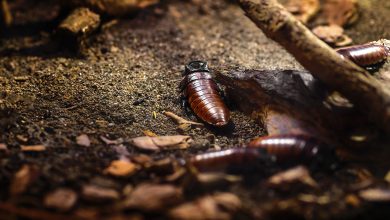
The Madagascan hissing cockroach (Gromphadorhina portentosa) is a fascinating and unique pet known for its impressive size and distinct hissing sound. Native to Madagascar, these insects are often kept as exotic pets due to their low maintenance needs and intriguing behaviours. When considering adding one of these creatures to your household, it is crucial to provide them with the appropriate enclosure to ensure their well-being and happiness. This article will guide you through selecting the right enclosure for your Madagascan hissing cockroach, covering essential factors such as size, materials, habitat requirements, and additional considerations for keeping your cockroach healthy.
Understanding the Species
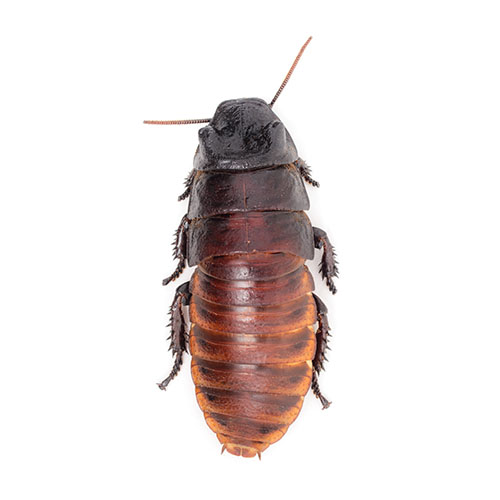
Before delving into enclosure specifics, it’s important to understand the Madagascan hissing cockroach itself. These cockroaches are among the largest in the world, with adults reaching lengths of 10 to 15 centimetres (4 to 6 inches). They have a dark brown or black exoskeleton and, as their name suggests, they produce a hissing sound by forcing air through tiny openings in their abdomen. This behaviour is primarily a form of communication, often used during mating rituals or when they feel threatened.
Madagascan hissing cockroaches are herbivores, feeding mainly on decaying plant matter in their natural habitat. In captivity, they thrive on a diet rich in fresh vegetables, fruits, and commercial insect food. They require a warm and humid environment to remain healthy, making the choice of enclosure even more crucial.
Enclosure Size
The size of the enclosure is one of the most critical factors to consider when housing Madagascan hissing cockroaches. A larger enclosure allows for more natural behaviours, such as exploration and social interaction. As a general guideline, a minimum size of 30 cm x 30 cm x 30 cm (12 in x 12 in x 12 in) is recommended for a small group of cockroaches. However, a larger terrarium is ideal, especially if you plan to keep multiple roaches, as these insects are social and enjoy the company of their kind.
For a larger colony, consider a terrarium that is at least 60 cm x 45 cm x 30 cm (24 in x 18 in x 12 in). This size will provide ample space for the roaches to roam, establish territories, and engage in social behaviours. It also allows for the incorporation of various environmental features, such as hiding spots and climbing structures, enhancing their living conditions.
Enclosure Materials
The materials used to construct the enclosure are vital in ensuring a safe and comfortable environment for your Madagascan hissing cockroach. Glass terrariums are the most common choice due to their durability, ease of cleaning, and visibility. A well-ventilated glass terrarium with a secure lid will help maintain humidity levels while preventing escape.
Alternatively, plastic containers can also serve as suitable enclosures, provided they are well-ventilated. Make sure the container has adequate air holes to allow for proper airflow. Avoid using wooden enclosures, as they can retain moisture and may promote the growth of mould, which can be harmful to your cockroaches.
Habitat Requirements
Creating a suitable habitat for your Madagascan hissing cockroach involves replicating their natural environment as closely as possible. Here are some key components to consider:
Substrate: The substrate is the material that lines the bottom of the enclosure. Choose a substrate that retains moisture yet allows for drainage. Coconut fibre, organic potting soil, or a mixture of both can work well. Aim for a substrate depth of at least 5 to 10 cm (2 to 4 inches) to allow for burrowing.

Humidity: Madagascan hissing cockroaches thrive in high humidity levels, typically around 40-70%. To maintain humidity, mist the enclosure with water regularly and provide a shallow water dish. Avoid allowing standing water, as this can lead to mould growth
Temperature: The ideal temperature range for these cockroaches is between 24°C to 30°C (75°F to 86°F). Consider using a heat mat or under-tank heater if your home temperature falls below this range. Place the heat source on one side of the enclosure to create a temperature gradient, allowing the roaches to choose their preferred temperature.
Hiding Spots: Hissing cockroaches are nocturnal and appreciate dark, secure hiding spots during the day. Provide plenty of hiding spots using items like cardboard tubes, coconut shells, or commercially available insect hides. These not only give them a sense of security but also help reduce stress.
Climbing Structures: Although they are not avid climbers, providing vertical space can enhance the enclosure’s complexity. Branches, logs, or cork bark can serve as climbing structures, encouraging natural behaviours.
Lighting
Lighting plays a vital role in creating a comfortable environment for your Madagascan hissing cockroach. While they do not require specific light conditions, a natural day-night cycle is beneficial. Use a low-wattage bulb or LED light to simulate daylight without generating excessive heat. Ensure that the enclosure receives a regular cycle of light and darkness to help regulate their natural behaviours.
Maintenance
Proper maintenance of the enclosure is essential for the health of your Madagascan hissing cockroach. Regular cleaning helps prevent the buildup of waste and mould, which can pose health risks. Here are some maintenance tips:
Clean the Enclosure: Remove uneaten food and waste at least once a week. Perform a thorough cleaning every month, replacing the substrate and disinfecting the enclosure with a safe, non-toxic cleaner.
Monitor Humidity and Temperature: Use a hygrometer and thermometer to monitor the humidity and temperature within the enclosure. Adjust the environment as needed to ensure optimal conditions.
Dietary Needs: Offer a varied diet consisting of fresh fruits, vegetables, and commercial insect food. Remove any uneaten food after a day or two to prevent spoilage.
Behavioural Observation: Regularly observe your cockroaches for signs of stress or illness. Healthy cockroaches should be active and exhibit natural behaviours.
Social Dynamics
Madagascan hissing cockroaches are social insects that thrive in groups. Keeping them in a colony allows them to engage in natural behaviours, such as grooming and communication. When introducing new cockroaches to an existing group, ensure that they are of similar size to prevent bullying.
Avoid housing different species of cockroaches together, as this can lead to territorial disputes and stress. Ideally, a colony should consist of a mix of males and females, as this can lead to more dynamic social interactions. However, be mindful of the population size, as overcrowding can lead to stress and health issues.
Common Mistakes to Avoid
When setting up an enclosure for Madagascan hissing cockroaches, certain common mistakes can hinder their well-being. Here are a few to avoid:
Inadequate Space: Underestimating the space requirements can lead to stress and territorial disputes among cockroaches. Always provide a spacious enclosure to accommodate their social needs.

Improper Ventilation: Lack of ventilation can result in stagnant air and increased humidity, which may lead to respiratory problems. Ensure that your enclosure has adequate airflow without risking escapes.
Neglecting Cleaning: Failure to clean the enclosure regularly can result in harmful bacteria and mould growth. Implement a consistent cleaning routine to maintain a healthy environment.
Ignoring Temperature and Humidity: Sudden changes in temperature or humidity can stress cockroaches. Regularly monitor these conditions and make adjustments as necessary
Overcrowding: Housing too many cockroaches in a small space can lead to stress, fighting, and health issues. Keep a balanced colony size based on the enclosure dimensions.
Choosing the right enclosure for your Madagascan hissing cockroach is essential for their health and happiness. By providing a spacious, well-ventilated habitat with appropriate substrate, humidity, temperature, and hiding spots, you can create an environment that mimics their natural habitat. Regular maintenance and careful observation of their social dynamics will further ensure that your cockroaches thrive. With the proper care and attention, your Madagascan hissing cockroach can become a fascinating and enjoyable pet for years to come.
References
Ziegler, T. (2015). “Madagascan Hissing Cockroaches: A Complete Care Guide.” Insect and Arachnid Care, 10(3), 101-105.
Choe, D. H., & Crespi, B. J. (1997). “Social behaviour in the Madagascar hissing cockroach: a comparative analysis.” Behavioral Ecology and Sociobiology, 41(2), 133-140.
Hembree, D. I., & Veith, C. (2006). “The role of temperature and humidity on the behaviour of cockroaches.” Journal of Insect Science, 6(2), 1-7.
Hisscock, T. (2018). “Keeping Madagascar Hissing Cockroaches as Pets.” The Insect Keeper, 12(1), 34-36.
Smith, M. (2019). “Creating the Perfect Habitat for Cockroaches.” Reptiles Magazine. Reptiles Magazine.
Weller, C. (2021). “The Care and Keeping of Madagascan Hissing Cockroaches.” Exotic Pet Journal, 3(4), 45-49.