Choosing the Right Enclosure for Your Giant Tropical Centipede

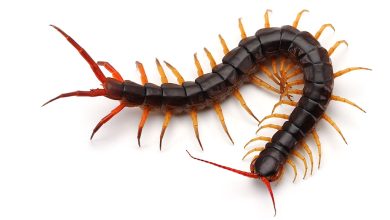
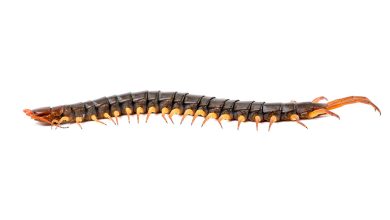
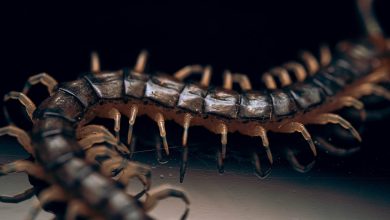
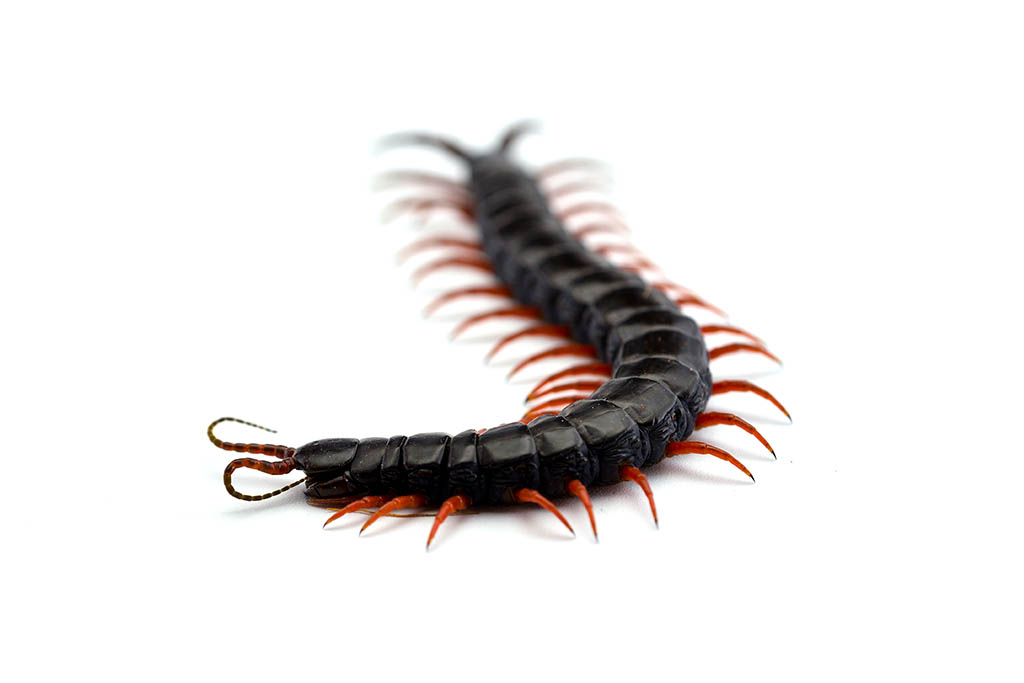
Giant tropical centipedes, belonging to the Scolopendromorpha order, are fascinating creatures known for their striking appearance and predatory behaviour. These exotic pets require specific care, particularly regarding their enclosure, to ensure their well-being and longevity. This article will guide you through the process of selecting the right enclosure for your giant tropical centipede, covering essential factors such as size, materials, environmental conditions, and maintenance.
Understanding the Needs of Giant Tropical Centipedes
Before delving into the specifics of enclosure selection, it’s crucial to understand the natural habitat and behaviour of giant tropical centipedes. Native to tropical and subtropical regions, these centipedes thrive in humid environments with plenty of hiding spots. They are nocturnal hunters, actively seeking prey during the night, and often require specific temperatures and humidity levels to stay healthy.

Size of the Enclosure
The first consideration when choosing an enclosure for your giant tropical centipede is size. These centipedes can grow to impressive lengths, often exceeding 20 cm (8 inches), and require ample space to move and hunt.
Vertical Space: Centipedes are not just ground-dwelling creatures; they also benefit from vertical space. Including tall plants or climbing surfaces can enrich their environment and provide hiding spots.
Minimum Size: A single giant tropical centipede should be housed in a minimum enclosure size of 30 cm x 30 cm x 30 cm (1 ft x 1 ft x 1 ft). However, larger enclosures are always preferable, allowing for more movement and the inclusion of environmental enrichment.
Enclosure Type
The type of enclosure you choose is equally important. Several options are available, including glass terrariums, plastic tubs, and custom-built enclosures.
- Glass Terrariums: These provide excellent visibility and are often aesthetically pleasing. However, they require proper ventilation to prevent humidity build-up and can be heavy and fragile.
- Plastic Tubs: These are lightweight and easy to clean. They can be modified with ventilation holes and are less likely to break. However, visibility may be limited.
- Custom-built Enclosures: If you have the skills, building a custom enclosure allows you to tailor the dimensions and features specifically to your centipede’s needs.
Regardless of the type chosen, ensure that the enclosure is escape-proof. Giant tropical centipedes are skilled climbers and can easily escape from inadequately secured enclosures.
Materials and Design
The materials used in constructing the enclosure should be safe and suitable for the needs of your centipede.
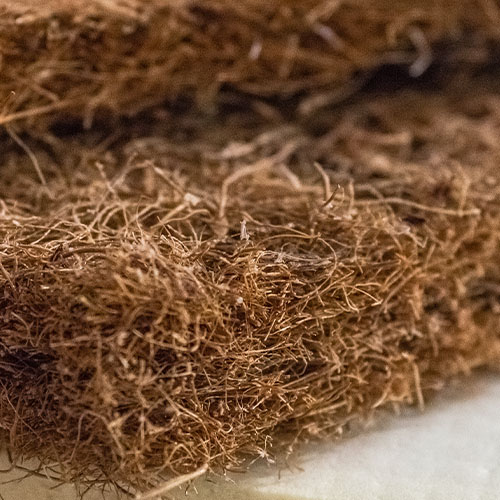
Substrate: A suitable substrate is essential for both humidity retention and burrowing behaviour. A mix of coconut fibre, peat moss, and soil can create an ideal substrate. Aim for a depth of at least 5-10 cm (2-4 inches) to allow for burrowing.
Hiding Spots: Incorporate plenty of hiding spots to reduce stress for your centipede. Items such as cork bark, half logs, or commercially available hides can offer security and mimic their natural habitat.
Plants and Decoration: Live or artificial plants can enhance the aesthetics of the enclosure while providing additional hiding spots. Ensure that any plants used are non-toxic and safe for your centipede.
Environmental Conditions
Creating the right environmental conditions is vital for the health of your giant tropical centipede. Key factors include temperature, humidity, and ventilation.
- Temperature: Ideal temperatures for giant tropical centipedes range from 24°C to 30°C (75°F to 86°F). Maintaining a temperature gradient within the enclosure allows the centipede to choose its preferred environment. Use heat mats or ceramic heat emitters, ensuring they are placed outside the enclosure to prevent burns.
- Humidity: These centipedes thrive in high humidity, ideally between 60% and 80%. Mist the enclosure regularly and use a hygrometer to monitor humidity levels. Ensure good drainage in the substrate to prevent waterlogging.
- Ventilation: Adequate ventilation is crucial to prevent the build-up of harmful gases and maintain optimal humidity levels. If using a glass terrarium, ensure that it has a mesh top or sufficient ventilation holes to allow for air circulation.
Maintenance
Regular maintenance of the enclosure is vital for the health of your giant tropical centipede. Establish a cleaning schedule to ensure a healthy environment.
Substrate Replacement: Replace or refresh the substrate every 4-6 weeks to prevent the build-up of waste and bacteria.
Spot Cleaning: Regularly remove uneaten food, waste, and any decaying plant matter to keep the enclosure clean.
Monitoring Conditions: Regularly check the temperature and humidity levels using thermometers and hygrometers. Adjust heating and misting as needed to maintain optimal conditions.
Health Check: Observe your centipede regularly for signs of stress or illness. A healthy centipede will be active, well-coloured, and responsive. If you notice any abnormalities, consult a veterinarian with experience in exotic pets.
Choosing the right enclosure for your giant tropical centipede involves careful consideration of size, materials, environmental conditions, and maintenance requirements. By creating a habitat that closely resembles their natural environment, you can ensure your centipede remains healthy, happy, and active. Remember that regular monitoring and maintenance are crucial in providing a long and fulfilling life for your exotic pet.
References
Wildlife Rehabilitation Society (2022). “Humidity and Temperature Requirements for Tropical Invertebrates.” Wildlife Rehabilitation Society.
Fry, G. (2015). The Complete Guide to Centipede Care. Exotic Animal Care Press.
Murray, T. (2018). Invertebrates as Pets: A Care Manual for Beginners. Pet Publishing House.
Smith, R. & Jones, L. (2017). Tropical Terrariums: Designing Enclosures for Exotic Pets. Green Planet Publishing.
Baker, A. (2020). Caring for Centipedes: A Practical Guide for Enthusiasts. Creepy Crawly Books.