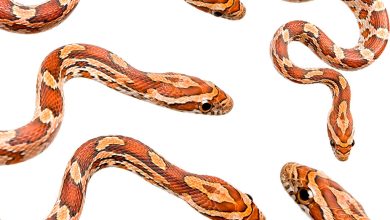
Creating a bioactive vivarium for your corn snake (Pantherophis guttatus) not only enriches their environment but also mimics their natural habitat, promoting their health and well-being. In a bioactive setup, live plants, soil microfauna, and naturalistic décor work together to create a self-sustaining ecosystem. This article explores the best plants for a corn snake vivarium, considering their care requirements, compatibility with snake behavior, and contribution to a balanced ecosystem.
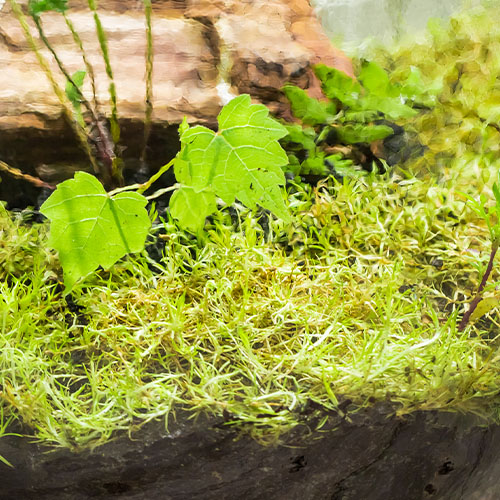
Understanding Bioactive Vivariums
Before delving into specific plant species, it’s essential to understand the concept of a bioactive vivarium. This setup involves:
- Live Plants: These provide not only aesthetic appeal but also essential benefits such as oxygen production, humidity regulation, and hiding spots for the snake.
- Microfauna: Small organisms like springtails and isopods help break down waste, contributing to a cleaner environment.
- Natural Substrate: A mix of soil, leaf litter, and other organic materials supports plant growth and aids in moisture retention.
- Environmental Enrichment: Live plants and natural décor encourage natural behaviours such as burrowing, climbing, and hiding.
Benefits of Live Plants
Integrating live plants into your corn snake’s habitat has multiple advantages:
- Humidity Control: Plants naturally transpire, increasing humidity levels in the enclosure, which can be beneficial for corn snakes, particularly during shedding.
- Aesthetic Appeal: Live plants add beauty and realism to the vivarium, creating a more engaging environment for both the snake and the keeper.
- Habitat Enrichment: Plants provide hiding spots, climbing opportunities, and foraging areas, promoting natural behaviours.
Key Considerations for Plant Selection
When choosing plants for a corn snake vivarium, consider the following factors:
- Toxicity: Ensure that the plants selected are non-toxic to snakes.
- Growth Requirements: Consider the light, humidity, and temperature needs of the plants to ensure they thrive in the snake’s environment.
- Size and Growth Habit: Choose plants that fit well in the enclosure without overwhelming the space or becoming hazardous for the snake.
- Maintenance Level: Select plants that match your commitment to maintenance. Some plants may require more frequent care than others.
Best Plants for a Corn Snake Vivarium
Here’s a detailed look at some of the best plants for a bioactive corn snake vivarium:
1. Pothos (Epipremnum aureum)
Overview
Pothos is a hardy, fast-growing vine that can adapt to various lighting conditions. Its trailing vines provide excellent hiding places and climbing opportunities.
Care Requirements
- Light: Tolerates low to bright indirect light.
- Humidity: Thrives in moderate to high humidity.
- Temperature: Prefers temperatures between 20-29°C (68-84°F).
Benefits
- Non-toxic to snakes.
- Effective at improving air quality and humidity.
2. Spider Plant (Chlorophytum comosum)
Overview
The spider plant is another resilient option with arching leaves that create an appealing visual structure in the vivarium. Its offshoots can be pruned to encourage bushier growth.
Care Requirements
- Light: Prefers bright, indirect light but can tolerate low light.
- Humidity: Adapts well to varying humidity levels.
- Temperature: Ideal between 15-26°C (59-78°F).
Benefits
- Non-toxic and safe for snakes.
- Easy to propagate, allowing for expansion within the enclosure.
3. Snake Plant (Sansevieria trifasciata)
Overview
Also known as mother-in-law’s tongue, the snake plant is an attractive option with tall, sword-like leaves. It is known for its hardiness and ability to thrive on neglect.
Care Requirements
- Light: Does well in low to bright indirect light.
- Humidity: Prefers moderate humidity but can tolerate drier conditions.
- Temperature: Thrives in temperatures between 18-27°C (65-81°F).
Benefits
- Non-toxic and very low maintenance.
- Effective at purifying the air and requires minimal watering.
4. Ferns (Various Species)
Overview
Ferns like the Boston fern (Nephrolepis exaltata) or maidenhair fern (Adiantum) add lush greenery and a natural feel to the vivarium.
Care Requirements
- Light: Prefer indirect light and shade.
- Humidity: Thrive in high humidity; misting may be required.
- Temperature: Ideal at temperatures between 15-24°C (59-75°F).
Benefits
- Non-toxic and provide excellent cover for shy snakes.
- Enhance humidity levels in the enclosure.
5. Bromeliads (Bromeliaceae Family)
Overview
Bromeliads are unique plants that offer vibrant colours and interesting shapes. They can be grown in the substrate or mounted on décor.
Care Requirements
- Light: Prefer bright, indirect sunlight.
- Humidity: Enjoy high humidity levels.
- Temperature: Thrive in temperatures between 20-30°C (68-86°F).
Benefits
- Non-toxic to snakes and adds visual interest.
- Their rosettes can hold water, providing a microhabitat for beneficial microfauna.
6. Hoya (Hoya spp.)
Overview
Commonly known as wax plants, Hoyas are trailing vines with thick, waxy leaves. They produce fragrant flowers that can add to the aesthetic appeal of the vivarium.
Care Requirements
- Light: Prefer bright, indirect light.
- Humidity: Enjoy moderate to high humidity levels.
- Temperature: Ideal at 18-29°C (65-84°F).
Benefits
- Non-toxic and durable, making them suitable for snake enclosures.
- Flowers can attract beneficial insects.
7. African Violet (Saintpaulia)
Overview
African violets are compact flowering plants that can bring a pop of colour to the vivarium. They are easy to care for and thrive under the right conditions.
Care Requirements
- Light: Prefer bright, indirect sunlight.
- Humidity: Moderate humidity is ideal.
- Temperature: Thrive in temperatures between 18-24°C (65-75°F).
Benefits
- Non-toxic and adds colour and vibrancy to the habitat.
- Relatively low-maintenance, making them suitable for beginners.
8. Orchids (Orchidaceae Family)
Overview
While more advanced, certain orchid species, like the Phalaenopsis, can be grown in a vivarium setup. They add exotic beauty and elegance to the environment.
Care Requirements
- Light: Bright, indirect light is ideal.
- Humidity: High humidity levels are necessary.
- Temperature: Optimal temperatures vary but typically range from 18-27°C (65-81°F).
Benefits
- Non-toxic and visually stunning.
- Promote a diverse ecosystem by attracting beneficial insects.
9. Parlor Palm (Chamaedorea elegans)
Overview
The parlor palm is a popular indoor plant that can thrive in low light, making it suitable for vivariums with limited light exposure.
Care Requirements
- Light: Prefers low to bright indirect light.
- Humidity: Moderate humidity levels are suitable.
- Temperature: Ideal between 18-24°C (65-75°F).
Benefits
- Non-toxic and very adaptable to varying conditions.
- Adds height and lush greenery to the enclosure.
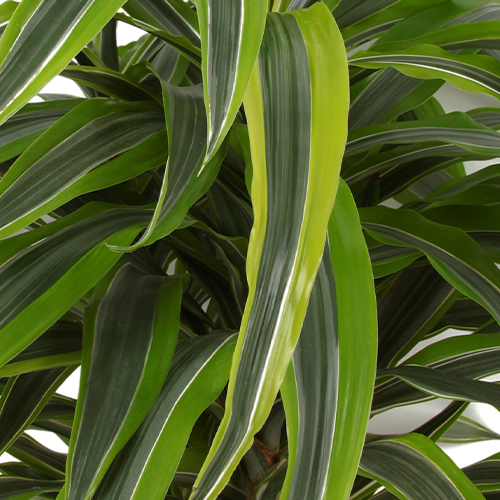
10. Dracaena (Dracaena spp.)
Overview
Dracaenas are hardy plants with striking foliage. They can grow quite tall and provide excellent cover for snakes.
Care Requirements
- Light: Prefer indirect light but can tolerate low light.
- Humidity: Moderate humidity is acceptable.
- Temperature: Thrive in temperatures between 18-27°C (65-81°F).
Benefits
- Non-toxic to snakes and robust in various conditions.
- Enhances air quality and contributes to a natural environment.
Setting Up the Vivarium
When setting up a bioactive corn snake vivarium, follow these guidelines to ensure a successful and thriving ecosystem:
- Select the Right Size Enclosure: A larger enclosure allows for more plants and space for your corn snake to explore.
- Prepare the Substrate: Use a mix of organic soil, coconut coir, and leaf litter to support plant growth and promote beneficial microfauna.
- Plant Arrangement: Position taller plants at the back of the enclosure and shorter plants in the front to create a visually appealing layout. Ensure there are hiding spots and climbing opportunities.
- Add Microfauna: Introduce springtails and isopods to help break down waste and maintain a clean environment.
- Monitor Conditions: Regularly check humidity and temperature levels, adjusting as necessary to meet the needs of both the plants and your snake.
Maintenance Tips
To keep your bioactive vivarium thriving, consider the following maintenance tips:
- Watering: Regularly check the moisture levels in the substrate. Most plants will need to be watered when the top inch of soil feels dry.
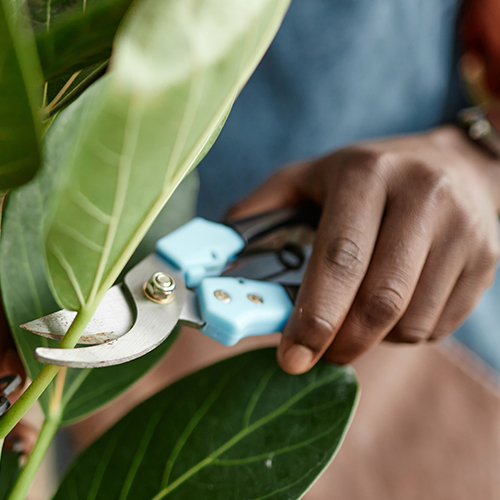
- Pruning: Trim plants as necessary to prevent overcrowding and promote healthy growth. Remove any dead or yellowing leaves.
- Fertilisation: Use a diluted, organic fertiliser sparingly, as excessive nutrients can lead to algae growth and negatively affect the ecosystem.
- Monitor for Pests: Keep an eye out for any pests that may appear. Many beneficial microfauna will help control pest populations naturally.
Creating a bioactive vivarium for your corn snake using live plants enriches their environment and enhances your experience as a keeper. By selecting non-toxic plants that thrive in the humidity and temperature conditions of a snake habitat, you can foster a beautiful and functional ecosystem.
The plants outlined in this article, including pothos, spider plants, ferns, and bromeliads, are excellent choices that provide aesthetic appeal and practical benefits for your corn snake. As you set up your vivarium, remember to monitor conditions, maintain the plants, and enjoy the dynamic, living environment you create for your snake.
References
B. & M. A. (2014). The Importance of Live Plants in Reptile Enclosures. Journal of Herpetological Medicine and Surgery, 24(1-2), 19-27.
Ingram, C. (2017). Creating a Bioactive Vivarium. Reptiles Magazine.
K. R. (2020). Caring for Corn Snakes: Habitat and Nutrition. National Geographic.
McAllister, B. (2016). Live Plants for Reptiles: A Practical Guide. Reptile Magazine.
K. S. (2019). Selecting the Right Plants for Your Reptile Habitat. Practical Reptile Keeping.
Thomas, M. (2018). Fostering a Bioactive Ecosystem: The Role of Microfauna in Reptile Habitats. Journal of Zoo and Wildlife Medicine, 49(3), 630-637.