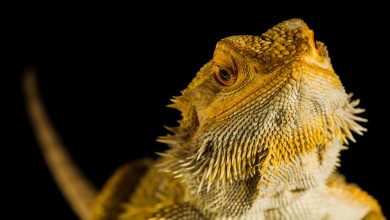
Bearded dragons, native to Australia, are one of the most popular reptiles kept as pets today. Their friendly temperament, distinctive appearance, and relatively simple care requirements make them appealing for both novice and experienced reptile owners. However, one crucial aspect of bearded dragon care that requires attention is their feeding schedule. An appropriate diet and feeding regimen can significantly impact their health and well-being. This article provides a comprehensive guide on creating the ideal feeding schedule for your bearded dragon.
Understanding Bearded Dragons’ Dietary Needs
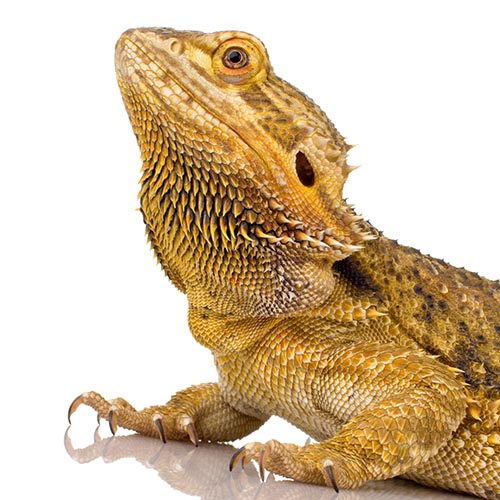
Nutritional Requirements
Bearded dragons are omnivores, meaning they consume both plant and animal matter. Their diet must include:
- Protein: Essential for growth and maintenance, especially in juvenile bearded dragons. This can come from insects such as crickets, locusts mealworms, and dubia roaches.
- Vegetables: Crucial for providing vitamins, minerals, and fibre. Leafy greens like collard greens, mustard greens, and dandelion greens are excellent choices.
- Fruits: These should be given in moderation due to their sugar content. Options include strawberries, blueberries, and mango.
Age Matters
The age of your bearded dragon significantly influences its dietary needs and feeding frequency:
- Hatchlings (0-2 months): Require a higher protein intake, primarily from insects. They should be fed 3-4 times daily.
- Juveniles (2-6 months): Should still focus on protein but start incorporating more vegetables. They can be fed 2-3 times daily.
- Adults (6 months and older): Require a balanced diet of approximately 80% vegetables and 20% protein. Adults typically eat once a day or every other day.
Supplements
In addition to a varied diet, bearded dragons need supplements to ensure they receive adequate calcium and vitamins:
- Calcium Supplement: Dust insects with calcium powder at least 3 times a week to prevent metabolic bone disease (MBD).
- Multivitamin Supplement: Administered once a week to provide essential vitamins not always available in their diet.
Creating the Feeding Schedule

General Guidelines
An effective feeding schedule for your bearded dragon should take into account their age, activity level, and health status. Here’s a breakdown for each age group:
Hatchlings (0-2 Months)
- Frequency: 3-4 times daily
- Feeding Amount: Offer as many insects as they can consume in 10-15 minutes.
- Vegetable Offering: Introduce finely chopped vegetables, but they might not consume much initially.
Juveniles (2-6 Months)
- Frequency: 2-3 times daily
- Feeding Amount: Similar to hatchlings, but as they grow, begin to monitor their intake. Adjust insect quantities to prevent obesity.
- Vegetable Offering: Increase the amount of vegetables, making them available during all feedings.
Adults (6 Months and Older)
- Frequency: 1 time daily or every other day
- Feeding Amount: Provide a variety of vegetables and a limited number of insects. A good rule of thumb is to fill their feeding dish with vegetables and provide insects as a treat.
- Monitoring: Observe your bearded dragon’s body condition to adjust the amount of food accordingly.
Timing
Choosing the right time of day for feeding is essential. Bearded dragons are diurnal, meaning they are active during the day. Here are some tips:
- Morning Feedings: Offer food shortly after the lights come on in their habitat. This aligns with their natural behaviour and ensures they have energy throughout the day.
- Avoid Late Feedings: Feeding close to their bedtime can lead to digestive issues. Bearded dragons require time to digest their food before nightfall.
Portion Control
Overfeeding can lead to obesity and health problems. Monitor your bearded dragon’s weight and adjust portions accordingly. A healthy bearded dragon should have a slight waist and be able to feel its ribs without excessive pressure.
Food Preparation and Presentation
Insect Feeding
- Live Insects: Most bearded dragons prefer live insects. Ensure that the insects you feed are appropriately sized; they should be no larger than the distance between your pet’s eyes.
- Gut Loading: This process involves feeding the insects nutritious foods (like leafy greens and vegetables) for 24-48 hours before offering them to your bearded dragon. This maximises the nutritional value your pet receives.
- Dusting: Dust insects with a calcium supplement before feeding.
Vegetables and Fruits
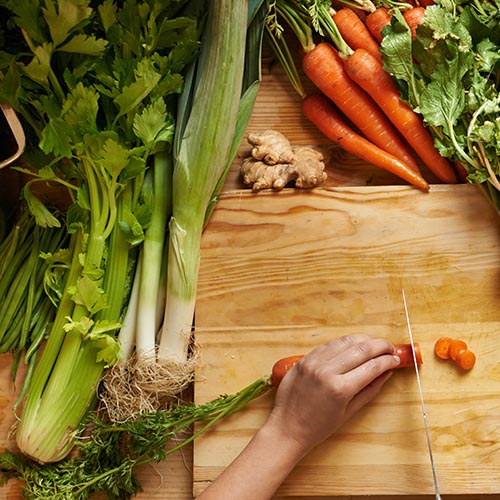
- Washing and Chopping: Always wash vegetables and fruits to remove any pesticides. Chop them into small pieces to make them easier for your bearded dragon to eat.
- Variety: Rotate the types of vegetables and fruits you offer to ensure a well-rounded diet. Some vegetables may be more appealing than others, so pay attention to your dragon’s preferences.
Water
Fresh, clean water should be available at all times. Some bearded dragons enjoy soaking in shallow water, which can also help with hydration. Ensure that the water bowl is shallow enough to prevent drowning.
Special Considerations
Seasonal Variations
Bearded dragons may experience changes in appetite and behaviour based on the season:
- Summer: Increased appetite due to higher activity levels. Be prepared to feed more frequently.
- Winter: Many bearded dragons may brumate (a hibernation-like state), during which their appetite may decrease significantly. Reduce feeding frequency and portion sizes as necessary.
Health Monitoring
Regular health checks are vital for ensuring your bearded dragon is thriving. Signs of health issues may include:
- Decreased Appetite: Could indicate illness. If your bearded dragon is not eating for more than a few days, consult a veterinarian.
- Weight Loss or Obesity: Adjust feeding amounts accordingly to maintain a healthy weight.
- Fecal Condition: Monitor your dragon’s droppings. Changes in colour, consistency, or frequency can indicate health problems.
Creating an ideal feeding schedule for your bearded dragon is fundamental to its health and well-being. By considering its age, dietary needs, and preferences, you can develop a tailored approach that meets its nutritional requirements. Remember that each bearded dragon is unique, so it may take time to find the perfect balance. Regular monitoring and adjustments to their diet will ensure that your pet remains healthy and happy for years to come.
References
D. S. B. F. D. (2020). The Bearded Dragon Manual. Massachusetts: Reptile Publishing.
Dr. S. N. (2018). Bearded Dragons: A Complete Guide to Care and Breeding. New York: Reptile Press.
Mader, D. R. (2006). Reptile Medicine and Surgery. St. Louis: Elsevier.
Pritchard, P. C. H. (2020). Feeding and Diet Management in Bearded Dragons. Journal of Herpetology, 54(3), 265-274.
Smith, K. L. (2017). Veterinary Care for Bearded Dragons: Nutrition and Diet. Veterinary Clinics of North America: Exotic Animal Practice, 20(2), 233-245.
T. G. (2019). Understanding Bearded Dragon Nutrition. Animal Nutrition Journal, 21(4), 450-460.
Wilkerson, M. L. (2016). Bearded Dragons: Diet and Nutrition Guide. Florida: Turtle Publishing.