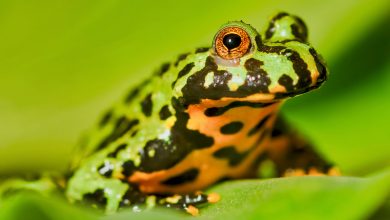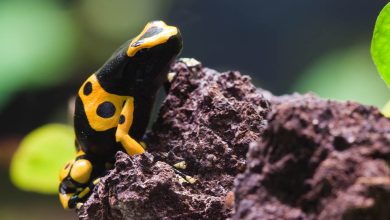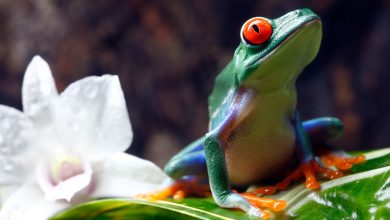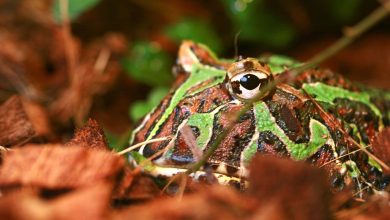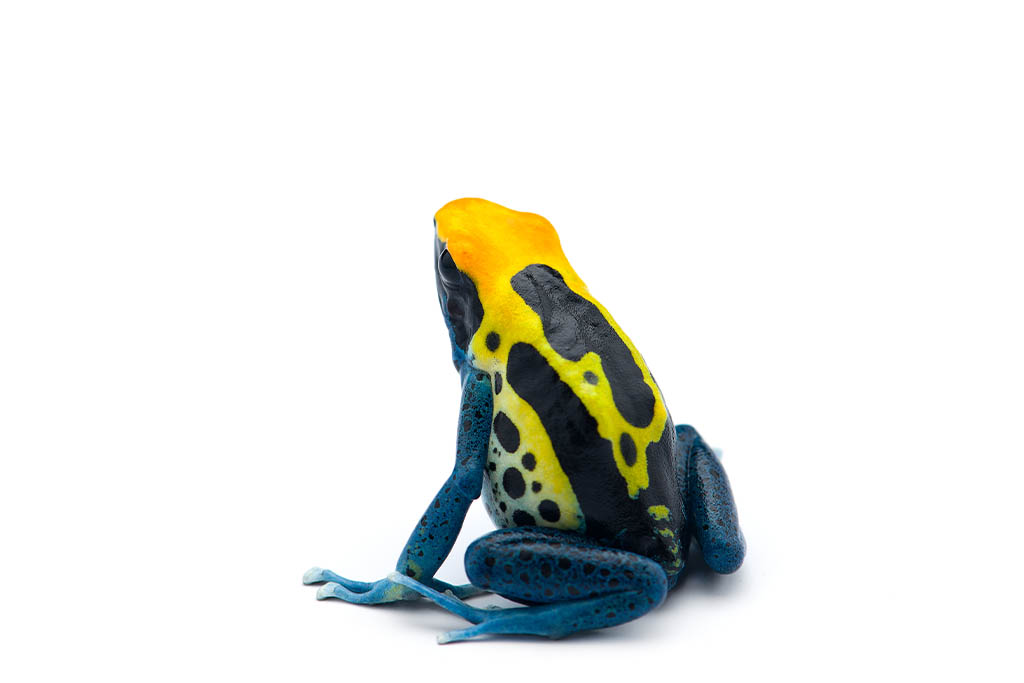
Dart frogs, known for their vivid colours and intriguing behaviours, are among the most captivating amphibians in the world. These small, tropical frogs are often kept in vivariums by enthusiasts and are recognised for their stunning appearance as well as their fascinating biology. In this guide, we will explore dart frogs, covering their classification, habitat, care requirements, and conservation status.
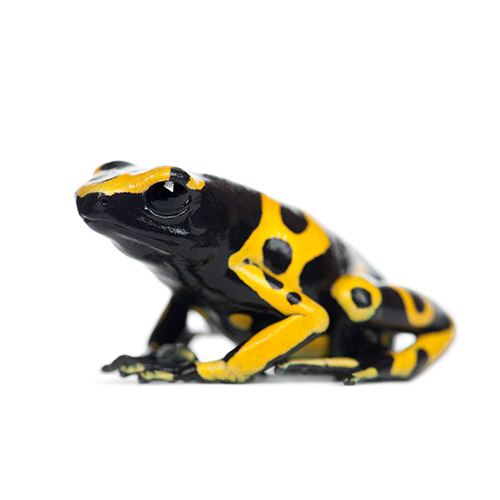
Understanding Dart Frogs
Classification
Dart frogs belong to the family Dendrobatidae, which comprises around 300 species of small frogs native to Central and South America. They are commonly referred to as poison dart frogs because of the toxic secretions found in their skin. The most popular species among hobbyists include:
Phyllobates terribilis (Golden poison dart frog)
Dendrobates tinctorius (Dyeing poison dart frog)
Dendrobates auratus (Green and black poison dart frog)
Dendrobates leucomelas (Bumblebee poison dart frog)
Morphology
Dart frogs typically measure between 1.5 to 6 cm in length. Their striking colours and patterns serve as a warning to potential predators about their toxicity. Brightly coloured dart frogs are usually more toxic than those with duller hues. The toxicity levels vary depending on the species and their diet; wild dart frogs often acquire toxins from the insects they consume.
Natural Habitat
Geographic Distribution
Dart frogs are predominantly found in the humid tropical rainforests of Central and South America, ranging from Panama to Brazil. They inhabit various environments, including lowland rainforests, montane forests, and even areas bordering swamps and streams.
Microhabitat
These frogs prefer microhabitats that provide high humidity and plenty of hiding spots. They can often be found near leaf litter, under logs, or within dense vegetation. Dart frogs are primarily terrestrial but may also climb vegetation to hunt or escape predators.
Care Requirements
Housing
Creating a suitable habitat for dart frogs is crucial for their health and wellbeing. The ideal vivarium should replicate their natural environment as closely as possible. Here are some key considerations:
Size
A minimum of a 45 x45 x60cm (20-gallon) tall aquarium is recommended for a small group of dart frogs. The taller design allows for vertical space, which is essential for climbing species.
Substrate
Use a mixture of substrates, such as coconut fibre, sphagnum moss, and leaf litter, to maintain humidity and provide a naturalistic environment. The substrate should be at least 2-3 inches deep.
Plants and Décor
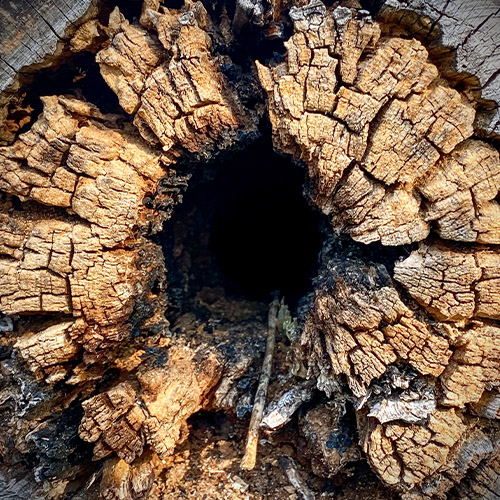
Incorporate live plants, such as bromeliads, ferns, and mosses, to create hiding places and humidity pockets. Use natural décor, such as driftwood, rocks, and hollow logs, to enhance the environment and provide shelter.
Lighting
Dart frogs require a light cycle to mimic their natural environment. Use a combination of fluorescent and LED lights to create a day/night cycle of 12 hours on and 12 hours off. Ensure that plants receive adequate light for growth.
Humidity and Temperature
Dart frogs thrive in high humidity levels (60-100%). Use a hygrometer to monitor humidity and mist the vivarium regularly to maintain appropriate moisture levels. The temperature should range between 22°C to 26°C (72°F to 78°F), with a slight drop at night.
Feeding
Dart frogs are insectivores, primarily feeding on small invertebrates. In captivity, their diet should consist of a variety of gut-loaded fruit flies (Drosophila), springtails, and pinhead crickets.
Supplementation
Supplements are essential for maintaining the health of dart frogs. Dust their food with a high-quality vitamin and mineral supplement at least once a week. This ensures they receive adequate nutrition and helps prevent deficiencies.
Water
Providing clean water is crucial. Use dechlorinated water for misting and create shallow water dishes for frogs to soak in. Ensure the water is shallow enough to prevent drowning.
Behaviour and Social Structure
Social Dynamics
Dart frogs are social creatures, often living in small groups. However, males can be territorial, especially during the breeding season. It’s advisable to keep a ratio of one male to two or three females to minimise aggression.
Breeding
Breeding dart frogs can be a rewarding experience for enthusiasts. In the wild, females lay eggs on land, often in moist leaf litter. After hatching, the tadpoles are carried to water sources by the male or the female, depending on the species.
Raising Tadpoles
Tadpoles require a separate setup with appropriate water conditions and food. Use a small tank with dechlorinated water and provide them with algae and specially formulated tadpole food. The metamorphosis process can take several weeks to months, depending on the species.
Health and Disease Management
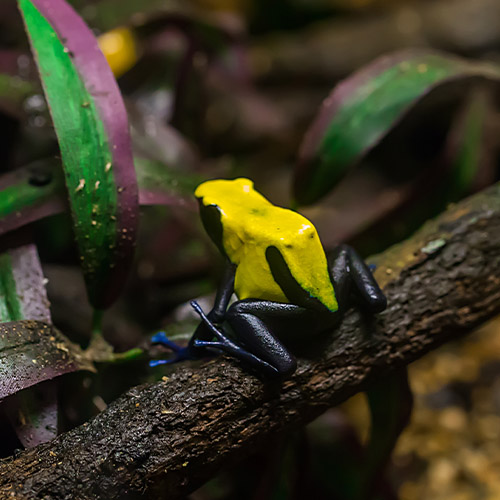
Dart frogs are generally hardy, but they can be susceptible to certain health issues if not cared for properly. Here are some common problems and preventative measures:
Common Diseases
- Fungal Infections: Caused by poor hygiene and high humidity. Regular cleaning of the vivarium can help prevent these infections.
- Bacterial Infections: Stress and poor water quality can lead to bacterial infections. Monitor water conditions and keep the habitat clean.
- Parasites: Worms and protozoa can affect dart frogs. Regular health checks and quarantine procedures for new arrivals can mitigate this risk.
Stress Management
Dart frogs can experience stress due to changes in their environment, such as sudden temperature fluctuations or overcrowding. Providing hiding spots and a stable environment will help reduce stress levels.
Conservation Status
Many dart frog species face threats from habitat destruction, climate change, and the pet trade. Conservation efforts are crucial to protect these unique amphibians. The following initiatives are important:
Habitat Preservation
Protecting and restoring the natural habitats of dart frogs is essential. Supporting conservation organisations that work to preserve rainforest ecosystems can help ensure their survival.
Captive Breeding
Captive breeding programmes can help maintain genetic diversity and reduce pressure on wild populations. Many hobbyists contribute to these efforts by breeding dart frogs responsibly.
Awareness and Education
Raising awareness about the ecological importance of dart frogs and their conservation needs is vital. Education initiatives can foster appreciation and understanding of these remarkable creatures.
Dart frogs are a fascinating group of amphibians that offer a rewarding experience for beginners in the hobby of keeping exotic pets. Their striking colours, social behaviour, and unique care requirements make them an appealing choice for vivarium enthusiasts. By understanding their needs and ensuring proper care, you can enjoy the beauty of dart frogs while contributing to their conservation.
References
Smith, D. (2018). The Complete Guide to Dart Frogs: Care, Breeding, and Habitat. Reptile Press.
Smith, J. (2020). “Understanding Dendrobatidae: Biology and Conservation.” Amphibian Biology, 12(3), pp. 45-58.
Roberts, L. (2017). Dart Frogs in the Wild: Their Ecology and Conservation. Green Earth Publishing.
Smith, P. (2021). “Dart Frog Care: A Beginner’s Guide.” Herpetology Today, 15(4), pp. 22-29.
Conservation International. (2022). “Protecting Amphibians: Dart Frog Conservation Efforts.” conservation.org.
O’Connell, R. (2019). Amphibians: The Hidden World of Frogs and Toads. Nature Publishing.