Royal pythons (Python regius), also known as ball pythons, have become one of the most popular pet reptiles worldwide. Their calm temperament, manageable size, and striking patterns make them an ideal choice for both novice and experienced reptile enthusiasts. However, the journey of royal pythons from wild African habitats to captive breeding and global popularity is a story steeped in history, culture, and evolution. In this article, we will delve into the fascinating history of royal pythons, exploring their origins, cultural significance, and their rise to prominence in the exotic pet trade.

Origins and Evolution
Royal pythons are native to West and Central Africa, with a range that spans across countries such as Ghana, Togo, Benin, and Nigeria. Their natural habitat includes savannas, grasslands, and lightly forested areas, where they live in burrows or termite mounds. They are primarily terrestrial, but they can climb if necessary. These pythons are non-venomous constrictors, which means they subdue their prey by coiling around it and squeezing until it succumbs. Their diet in the wild consists mainly of small mammals, birds, and occasionally reptiles.
The evolutionary history of royal pythons dates back millions of years, and they belong to the Pythonidae family, which includes some of the largest snake species in the world. Royal pythons themselves are relatively small in comparison, typically growing to around 3-5 feet in length. This manageable size, along with their docile nature, has contributed to their success as pets.
From an evolutionary perspective, royal pythons developed several key traits that allowed them to thrive in their environment. Their cryptic coloration, usually brown with black markings, helps them blend into their surroundings, making them less visible to predators and prey. They are also known for their ability to curl up into a tight ball when threatened, which is where they get their US common name “ball python.” This defensive behaviour not only makes them less vulnerable to attacks but also allows them to protect their head, the most vital part of their body, during such encounters.
Cultural Significance in Africa
Before royal pythons became a household name in the pet industry, they held cultural and spiritual significance in their native African regions. In many African communities, royal pythons were regarded with reverence and sometimes seen as sacred animals. They were associated with various religious and spiritual beliefs, often considered symbols of fertility, protection, and prosperity.
One notable example is the Kingdom of Dahomey, located in what is now Benin. The Dahomey people revered the python and believed it to be a deity. Pythons were often associated with the spirit of fertility and were kept in temples, where they were cared for and even worshipped. Killing a python in certain African cultures was seen as taboo, and those who accidentally killed one were often required to hold ceremonial burials to appease the spirits. The common name of “Royal Python” and latin Python regius reflects the snake’s historical significance and association with royalty.
In other African regions, royal pythons were seen as protectors of homes and villages, believed to bring good luck and ward off evil spirits. Despite these beliefs, royal pythons were sometimes captured for food, though this was usually done out of necessity rather than for sport or profit.
Introduction to Western Science
The first formal scientific description of the royal python came in the 18th century. The species was initially named Boa regia by Carl Linnaeus in 1758, reflecting the snake’s royal association. The name was later changed to Python regius, with “regius” meaning “royal” in Latin. This name is thought to have been inspired by the ancient belief that Egyptian royalty, including Cleopatra, wore live pythons around their wrists as jewellery.
Royal pythons began to attract the attention of Western naturalists and explorers during the period of European colonialism in Africa. Early accounts of the snake’s behaviour and habitat were recorded by European scientists and travellers who ventured into the African interior. Their small size and relatively calm demeanour made them an interesting subject for study, particularly in the context of their relationship with local African cultures.
In the 19th and early 20th centuries, naturalists began exporting royal pythons to Europe and the United States for zoological collections. The first royal pythons to be kept in captivity were housed in museums and private collections, where they were studied and displayed as exotic curiosities. However, it wasn’t until the latter half of the 20th century that royal pythons began to be bred and sold as pets on a larger scale.
The Pet Trade and Captive Breeding
The 1970s and 1980s marked the beginning of the royal python’s rise in popularity as a pet. Initially, many royal pythons were wild-caught and exported from Africa to meet the growing demand in Europe and North America. During this time, wild-caught specimens often faced high mortality rates due to the stress of capture, transport, and the challenges of adapting to captivity. It wasn’t until the 1990s that captive breeding programs for royal pythons began to take off, drastically reducing the need for wild-caught imports.
Captive breeding proved to be a game-changer for the royal python industry. Breeders quickly realized that royal pythons were relatively easy to breed in captivity, and the first captive-bred royal pythons became available to the public. These captive-bred animals were not only healthier and easier to care for than their wild-caught counterparts but also opened the door to the development of new and unique colour patterns, or “morphs.”
Morphs and the Genetic Revolution
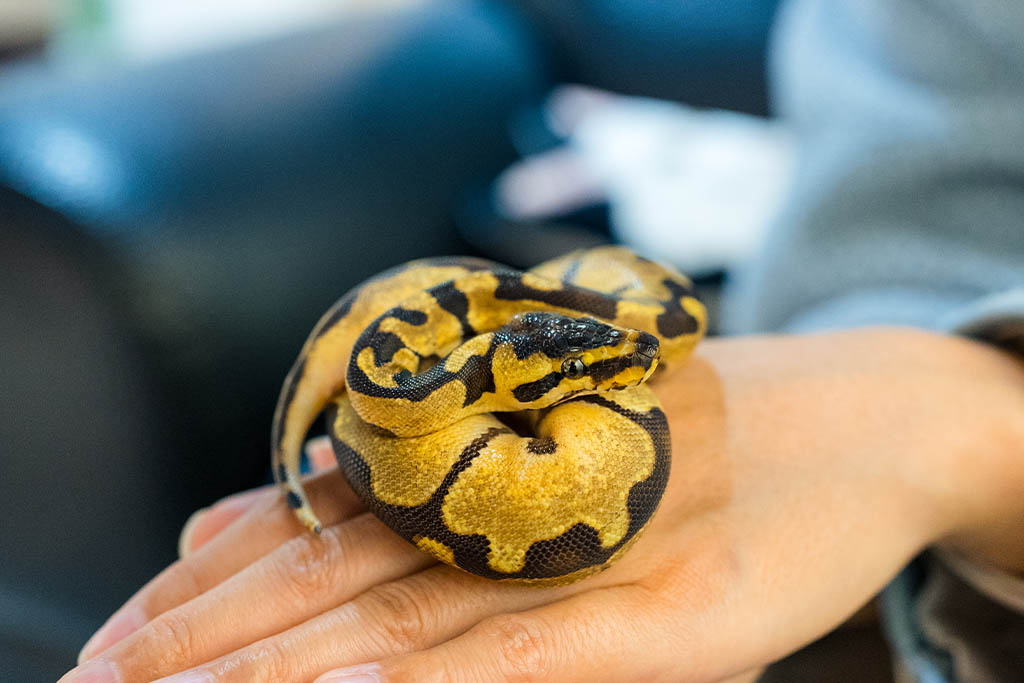
The development of royal python morphs revolutionized the reptile industry and propelled royal pythons to the forefront of the exotic pet market. A morph is a genetic mutation that results in a different colour or pattern than the typical wild-type royal python. The first recognized morph was the albino royal python, which lacks melanin, resulting in a snake with white and yellow coloration and pink eyes.
Once breeders realized the potential for producing new morphs, the royal python market exploded. Over the years, hundreds of different morphs have been produced, ranging from simple colour mutations like pastel and cinnamon to complex combinations of multiple genes, such as the “banana clown” or “piedbald” morphs. These morphs have turned royal python breeding into a lucrative business, with some rare and high-demand morphs fetching thousands of dollars.
The creation of morphs has also sparked a deeper interest in the genetics of royal pythons. Reptile enthusiasts and breeders alike have become amateur geneticists, studying the inheritance patterns of different traits and working to produce new and desirable morphs. This genetic revolution has turned royal python breeding into an art form, with breeders carefully selecting pairings to achieve specific colour and pattern combinations.

Conservation and Ethical Concerns
While the captive breeding of royal pythons has reduced the need for wild-caught imports, there are still ethical concerns surrounding the reptile trade. In many parts of Africa, royal pythons are still captured and exported for the pet trade. Though many countries have implemented regulations to control the export of wild-caught animals, illegal poaching and smuggling remain a concern. Additionally, the demand for certain morphs has led to the inbreeding of royal pythons, which can result in genetic health issues for the animals.
Conservation efforts for royal pythons in their native habitat are ongoing. Some organizations work to protect wild populations by promoting sustainable practices and raising awareness about the importance of preserving natural habitats. Additionally, captive breeding programs have been instrumental in reducing the pressure on wild populations, as the majority of royal pythons in the pet trade are now bred in captivity.
Royal Pythons in Popular Culture
The popularity of royal pythons has extended beyond the reptile community and into popular culture. Royal pythons have appeared in movies, television shows, and even music videos, often symbolizing exoticism, mystery, or danger. Their calm demeanour and striking appearance make them a favourite choice for use in media, especially in scenes where a non-threatening snake is needed.
Royal pythons have also become a symbol of the broader reptile-keeping community. Many enthusiasts form close bonds with their pet snakes, often sharing their experiences on social media platforms like Instagram and YouTube. The rise of reptile influencers has helped to demystify reptiles as pets, showing that they can be just as engaging and rewarding to care for as more traditional pets like dogs or cats.
The history of royal (ball) pythons is a testament to the enduring relationship between humans and reptiles. From their sacred status in African cultures to their role as a beloved pet species in the modern world, royal pythons have captured the imaginations of people across the globe. Their adaptability, docile nature, and stunning variety of morphs have cemented their place as one of the most popular reptiles in the pet trade today.
However, it is important to recognize the ethical and conservation challenges that come with the reptile trade. As we continue to enjoy these fascinating creatures, it is our responsibility to ensure that their wild populations are protected and that captive breeding practices are conducted with care and respect for the animals.
References
- Barker, D. G., & Barker, T. M. (2006). Pythons of the World: Volume 2 – Ball Pythons. VPI Library.
- O’Shea, M. (2007). A Guide to the Snakes of Western and Central Africa. Christopher Helm.
- Rossi, J. V., & Rossi, R. (1995). The Reproductive Husbandry of Pythons and Boas. Krieger Publishing Company.
- Schleip, W. (2008). The History of the Royal Python (Python regius) and Its Genetic Mutations. Herpetological Bulletin, 103, 6-12.
- Reed, R. N., & Rodda, G. H. (2009). Giant Constrictors: Biological and Management Profiles and an Establishment Risk Assessment for Nine Large Species of Pythons, Anacondas, and the Boa Constrictor. US Geological Survey.