Royal or Ball pythons (Python regius), native to West and Central Africa, are popular pets due to their docile nature and relatively manageable size. However, to ensure their health and wellbeing, proper temperature and humidity levels are crucial. This article explores the optimal temperature and humidity requirements for royal pythons, the importance of these conditions, and how to achieve and maintain them in a captive environment.
The Importance of Temperature and Humidity
Temperature and humidity are vital for the physiological processes of reptiles. For royal pythons, these factors influence digestion, metabolism, and overall health. In the wild, royal pythons experience a variety of microhabitats, each with distinct temperature and humidity levels. Replicating these conditions in captivity is essential for their wellbeing.
Temperature Requirements
Royal pythons are ectothermic creatures, meaning they rely on external sources to regulate their body temperature. As a result, their enclosure should have a temperature gradient to allow the snake to thermoregulate effectively.
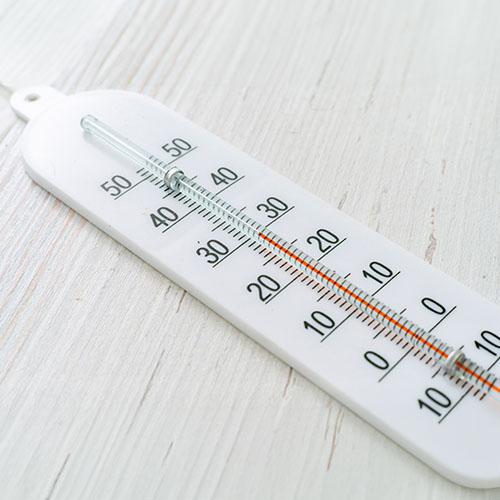
Thermal Gradient
A thermal gradient is essential for the health of a royal python. This gradient allows the snake to move between warmer and cooler areas within its habitat to regulate its body temperature. The enclosure should have a warm side and a cool side, each with distinct temperature ranges.
Cool Side: The cool side should be maintained at 24°C to 27°C (75°F to 80°F). This area allows the snake to cool down when needed, which is especially important after feeding or during periods of inactivity.
Warm Side: The warm side of the enclosure should maintain a temperature between 28°C to 32°C (82°F to 90°F). This temperature range is ideal for digestion and metabolic functions. A heat source, such as an under-tank heater or a heat lamp, can be used to achieve this temperature.
Temperature Measurement
To accurately monitor temperatures, it is essential to use reliable thermometers. Digital thermometers with probes are ideal for measuring surface temperatures in various areas of the enclosure. Additionally, infrared thermometers can be used to check the temperatures of specific surfaces without direct contact.
Nighttime Temperatures
During the night, temperatures can drop slightly. A drop of around 2°C to 4°C (3°F to 7°F) is normal and beneficial, as it mimics natural conditions. However, the temperature should not fall below 21°C (70°F), as excessively low temperatures can lead to health issues.
Humidity Requirements
Humidity is another critical factor in maintaining a healthy environment for royal pythons. In the wild, these snakes inhabit humid environments, often found in grasslands, forests, and near water sources.
Optimal Humidity Levels
The ideal humidity range for royal pythons is 50% to 60%. This level helps with shedding and prevents dehydration. However, humidity levels can be adjusted based on the specific needs of the snake, such as during shedding periods.
- Shedding Periods: During shedding, humidity levels can be increased to around 60% to 70%. Higher humidity aids in loosening the old skin, making the shedding process easier and more successful.
Measuring Humidity
Humidity can be measured using hygrometers, which can be digital or analogue. Placing one hygrometer in the warm side and another in the cool side allows for monitoring the humidity levels throughout the enclosure.
Maintaining Humidity
Several methods can be employed to maintain appropriate humidity levels:
- Substrate: The choice of substrate plays a significant role in humidity. Coconut fibre, sphagnum moss, or cypress mulch are excellent options as they retain moisture well.
- Water Dish: Including a large, shallow water dish in the enclosure increases humidity. The water dish should be cleaned regularly to prevent bacterial growth.
- Misting: Light misting can be done periodically to boost humidity levels. However, it is essential not to over-mist, as excessive humidity can lead to respiratory issues.
- Enclosure Type: Choosing the right enclosure is crucial. Glass terrariums tend to lose humidity quickly, while plastic enclosures or tanks with good sealing properties retain humidity better.

Environmental Enrichment
Providing environmental enrichment is vital for the overall health and wellbeing of royal pythons. This enrichment includes hiding spots, climbing structures, and areas with different humidity levels.
Hiding Spots
Hiding spots help royal pythons feel secure and reduce stress. Hides can be placed on both the warm and cool sides of the enclosure. These can be commercial reptile hides or DIY options like cardboard boxes or logs.
Climbing Structures
Incorporating climbing branches or shelves can provide physical enrichment, encouraging natural behaviours. Climbing structures can also help regulate temperature and humidity by creating microenvironments.
Variation in Microhabitats
Creating different microhabitats within the enclosure can allow ball pythons to choose their preferred conditions. For example, a damp area with sphagnum moss can provide a higher humidity level, while a dry area can be maintained with dryer substrates.
Signs of Improper Temperature and Humidity
Maintaining proper temperature and humidity is crucial for the health of ball pythons. Here are some signs that indicate potential problems:
Temperature Issues
- High Temperatures: If temperatures exceed 32°C (90°F), the snake may exhibit signs of overheating, including lethargy, excessive tongue flicking, and difficulty breathing. Prolonged exposure can lead to heat stress or death.
- Low Temperatures: If the temperature drops below 21°C (70°F), the snake may become lethargic, refuse to eat, and show signs of respiratory distress. Low temperatures can also lead to a weakened immune system and increased susceptibility to infections.
Humidity Issues
- Low Humidity: Humidity levels below 50% can lead to dehydration, difficulty shedding, and increased stress. Signs include retained shed skin, dry skin, and lethargy.
- High Humidity: Excessively high humidity levels (above 70%) can lead to respiratory issues, fungal infections, and skin problems. Signs include excessive mucus production, wheezing, and lethargy.

Seasonal Adjustments
In nature, royal pythons experience seasonal changes in temperature and humidity. In captivity, it is beneficial to mimic these changes to some extent.
Seasonal Temperature Variation
Adjusting the temperature gradient seasonally can mimic natural conditions. For example, in winter, temperatures can be lowered slightly to replicate cooler temperatures, while in summer, they can be raised to simulate warmer conditions.
Seasonal Humidity Changes
Similarly, humidity levels can be adjusted based on the time of year. In dry months, extra measures can be taken to increase humidity, while in wetter months, it may be necessary to reduce humidity levels to avoid health issues.
Maintaining proper temperature and humidity levels is crucial for the health and wellbeing of royal pythons. By creating a suitable environment that mimics their natural habitat, you can help ensure that your royal python thrives in captivity. Regular monitoring and adjustments will help maintain optimal conditions, contributing to a long and healthy life for your pet.
References
Smith, R. (2023). Understanding Ball Python Habitats. The Reptile Report
Ball Python Care. (2021). The Spruce Pets
Elman, S. (2019). Temperature and Humidity: The Basics of Reptile Husbandry. Reptiles Magazine
M. Grayson. (2022). Humidity and Temperature Requirements for Reptiles. PetMD
F. Shreiner. (2020). The Complete Guide to Ball Python Care. Reptile Room