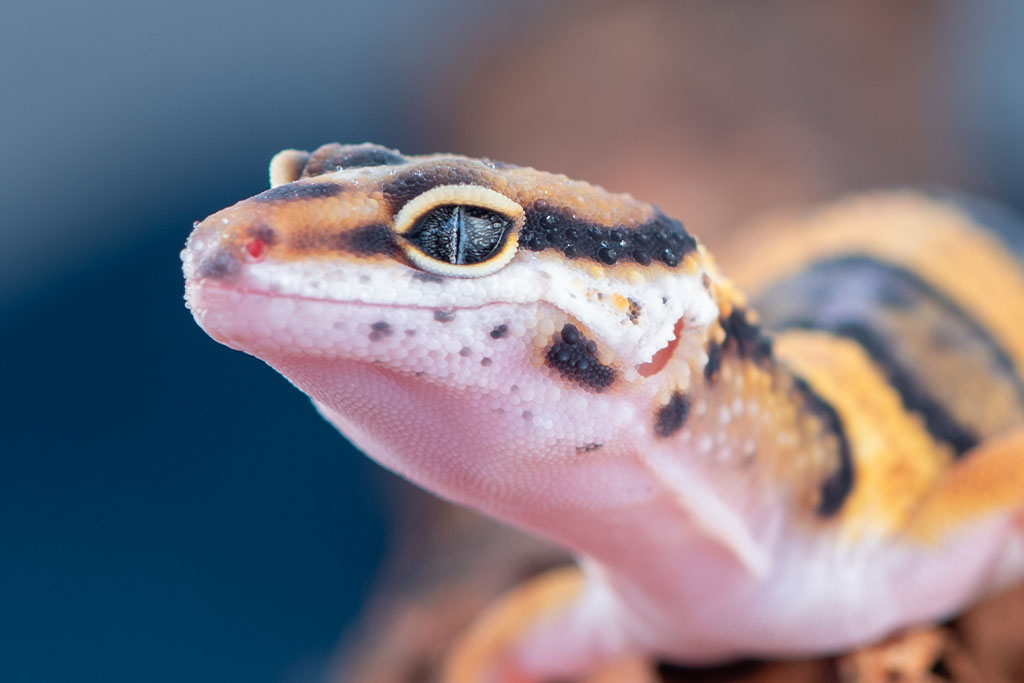
Leopard geckos (Eublepharis macularius) are among the most popular reptiles kept as pets, and for good reason. They are relatively easy to care for, docile, and exhibit fascinating behaviours that make them enjoyable to watch. Native to the arid regions of Afghanistan, Pakistan, India, and parts of Iran, these reptiles are adapted to survive in dry, rocky deserts. If you’re considering adopting a leopard gecko or already own one, this beginner’s guide will help you understand the essentials of their care.
Basic Information
Leopard geckos are small to medium-sized lizards. They can grow to around 7-10 inches (18-25 cm) in length, with some females being slightly smaller than males. One of their defining features is their spotted, leopard-like pattern, which gives them their name. Over time, breeders have developed various colour morphs, so you can find leopard geckos in different patterns and hues, ranging from bright yellows to more muted greys and whites.
They are nocturnal, meaning they are most active during the night and twilight hours. Leopard geckos are also ground-dwelling, and unlike many other gecko species, they have eyelids. This unique feature allows them to blink, which is not a common trait among geckos.
Housing a Leopard Gecko
One of the first things you’ll need to consider when getting a leopard gecko is the type of habitat or enclosure you’ll provide for it. A properly set-up enclosure is essential for maintaining your gecko’s health and happiness.
a. Tank Size
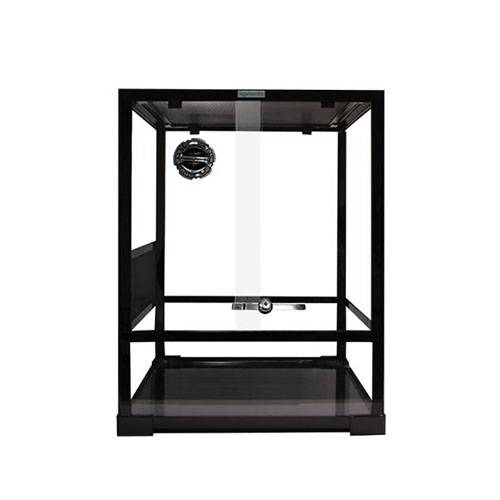
Leopard geckos don’t require a massive enclosure. A single adult leopard gecko can thrive in a 30 inch long vivarium (10 to 20-gallon tank), though larger is always better. If you plan to house multiple geckos, increase the tank size accordingly. However, it’s important to note that male geckos are territorial and should not be housed together as they may fight.
b. Substrate
The substrate is the material placed on the floor of the tank. For leopard geckos, it’s important to choose a safe substrate. Loose substrates like sand, especially calcium-based sands, are controversial because they can cause impaction if ingested. Impaction is a serious condition where the digestive tract becomes blocked, often resulting in death if untreated. For beginners, it’s safer to use reptile carpet, slate tiles, paper towels, or other solid, easy-to-clean substrates.
c. Temperature and Lighting
Leopard geckos are ectothermic, meaning they rely on external heat sources to regulate their body temperature. Providing a temperature gradient within the tank is essential. One side of the tank should be the “hot” side, maintained at around 31-33°C (88-92°F), and the “cool” side should stay around 24-27°C (75-80°F). At night, the temperature can drop slightly but should not go below 18°C (65°F).
You can achieve the necessary temperatures using a heat mat placed under one side of the tank or a heat lamp. Leopard geckos do not require UVB lighting like some other reptiles, but a low-level UVB light can still benefit their overall health.
d. Hides
Leopard geckos need at least three hides in their enclosure. One on the warm side, one on the cool side, and a humid hide. A humid hide is especially important for shedding. You can make a humid hide by placing damp sphagnum moss or paper towels inside a container with an entrance hole.
Feeding a Leopard Gecko
Leopard geckos are insectivores, which means they eat insects. A balanced diet for a leopard gecko includes a variety of live insects such as crickets, locusts, mealworms, dubia roaches, and waxworms (as an occasional treat due to their high-fat content). The insects you feed your gecko should be appropriately sized—no larger than the space between their eyes.
a. Gut-Loading
Before feeding insects to your gecko, it’s essential to “gut-load” them. Gut-loading means feeding the insects nutritious foods, like fruits and vegetables, so that your gecko benefits from the nutrients. Calcium deficiency is common in captive reptiles, so dusting insects with calcium powder is recommended to prevent metabolic bone disease.
b. Feeding Schedule
Young leopard geckos need to be fed daily, while adults can be fed every other day. Provide as many insects as your gecko can consume in 15 minutes, and always remove uneaten prey afterward.
Water and Humidity
Leopard geckos need fresh water daily. Place a shallow dish of clean water in their enclosure. Even though they come from arid regions, leopard geckos require some humidity, especially during shedding. As mentioned, a humid hide will help them shed properly. You can mist this hide occasionally to maintain the correct moisture levels inside.
Handling and Behaviour
Leopard geckos are known for being docile and friendly, making them a great choice for beginners who want a pet they can handle. However, patience is key when taming your gecko.
When you first get your leopard gecko, give it time to adjust to its new environment before attempting to handle it. After about a week, you can start offering your hand inside the enclosure. Let the gecko approach on its terms. Avoid sudden movements that may scare it. Once it seems comfortable, you can gently lift it by scooping it up with both hands.
Remember, never grab a gecko by the tail. Like many lizards, leopard geckos can drop their tails as a defence mechanism. While the tail will grow back, it won’t look the same, and the process is stressful for the gecko.
Shedding
Leopard geckos shed their skin periodically. Younger geckos may shed more often than adults as they are growing quickly. Before a shed, you may notice your gecko’s skin becoming pale or dull. They often eat their shed skin, which is a natural behaviour that helps them retain nutrients.
It’s crucial to monitor your gecko during shedding, especially around their toes and eyes. Sometimes, skin can get stuck in these areas, leading to potential health problems. A humid hide can help ensure they shed fully, but if skin remains stuck, you may need to soak them in warm water or gently assist in removing the excess skin.
Common Health Issues

Like any pet, leopard geckos can experience health problems. Here are a few common issues to watch for:
a. Metabolic Bone Disease (MBD)
Metabolic Bone Disease is caused by a calcium deficiency, often due to a lack of calcium supplements or improper lighting. Symptoms include lethargy, twitching, and deformities in the legs or spine. Providing calcium powder and ensuring a balanced diet can prevent MBD.
b. Impaction
As mentioned, impaction occurs when a gecko swallows something that blocks its digestive tract, usually loose substrate like sand. Symptoms include lack of appetite and constipation. To avoid this, use safe substrates and ensure the insects you feed are an appropriate size.
c. Respiratory Infections
Respiratory infections can develop if your gecko’s enclosure is too cold or too humid. Signs of respiratory infections include wheezing, excess mucus around the nose or mouth, and lethargy. Ensuring proper temperature gradients and humidity levels can help prevent these infections.
Leopard Gecko Lifespan
With proper care, leopard geckos can live for 15-20 years, and some may live even longer. This long lifespan is something to consider before getting a leopard gecko, as they require a long-term commitment.
Breeding Leopard Geckos
If you’re considering breeding leopard geckos, there are a few things to keep in mind. First, you’ll need to ensure that both geckos are healthy and of appropriate size and age (around 18-24 months for females). Breeding typically occurs in the spring. After mating, females will lay eggs, which you’ll need to incubate at a specific temperature (around 80-90°F). The incubation temperature also determines the sex of the hatchlings: lower temperatures produce females, while higher temperatures produce males.
Choosing a Leopard Gecko
When selecting a leopard gecko, it’s essential to ensure the gecko is healthy. Look for one with bright, clear eyes and smooth, unblemished skin. It should be active and alert. A lethargic gecko or one with visible injuries or deformities should be avoided. Reputable breeders or pet stores are usually the best places to find healthy geckos.
Leopard geckos are fascinating, low-maintenance pets that are perfect for both beginner and experienced reptile enthusiasts. With the right care, they can live long, healthy lives and provide years of enjoyment. By creating a suitable habitat, providing a balanced diet, and understanding their behaviour, you can ensure that your leopard gecko thrives in its new home.
References
Pianka, E.R., Vitt, L.J., and Cooper, W.E. *Lizards: Windows to the Evolution of Diversity
Sprackland, R.G. Leopard Geckos: The Complete Guide to Eublepharis macularius. TFH Publications, 2007.
Raiti, P. Manual of Reptiles. BSAVA, 2010.
Bartlett, R.D., and Bartlett, P.P. Leopard and Fat-Tailed Geckos. Barron’s Educational Series, 2006.
Wissman, M.A., and Johnson, D. Reptile Medicine and Surgery. Saunders, 2008.