Axolotls (Ambystoma mexicanum), with their whimsical appearance and fascinating regenerative abilities, have become increasingly popular in the pet trade. As aquatic salamanders, they require specific care and environmental conditions to thrive. One way to provide a naturalistic and enriching habitat for your axolotl is by creating a bioactive enclosure. This article will guide you through the essential components and considerations for setting up a bioactive environment that supports the health and well-being of your axolotl.
What is a Bioactive Enclosure?
A bioactive enclosure mimics a natural ecosystem, incorporating live plants, beneficial microfauna, and a self-sustaining system that promotes a healthy environment for the inhabitants. In a bioactive setup, the biological filtration provided by plants and microfauna helps break down waste products, maintaining water quality and reducing the need for frequent water changes.
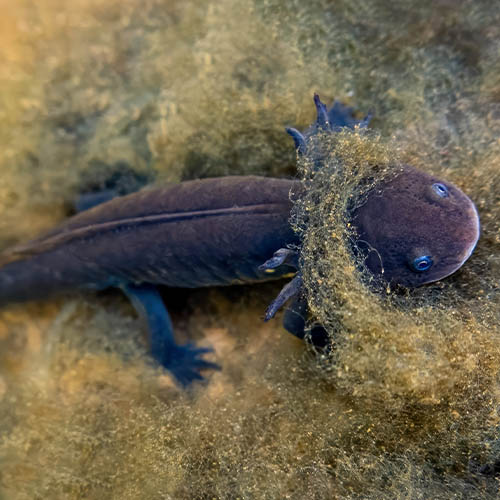
Benefits of a Bioactive Enclosure for Axolotls
Reduced Maintenance: With a balanced ecosystem, you may find that your enclosure requires less frequent cleaning and water changes.
Natural Filtration: Live plants and microorganisms help break down ammonia, nitrites, and nitrates, improving water quality.
Enrichment: A bioactive environment provides hiding spots and stimulation, reducing stress and promoting natural behaviours.
Aesthetic Appeal: A lush, planted tank enhances the visual appeal of your axolotl’s habitat.
Key Components of a Bioactive Enclosure
Creating a successful bioactive enclosure involves careful planning and the inclusion of several key components:
Tank Size and Type
Axolotls need ample space to swim and explore. A minimum tank size of 75 litres (approximately 20 gallons) is recommended for a single axolotl. A larger tank allows for more plants and microfauna, contributing to a more stable ecosystem. Glass aquariums are the most common choice, as they are easy to clean and maintain.
Substrate
The substrate is an essential part of your bioactive enclosure. A mixture of sand and fine gravel is ideal, as it allows for plant roots to anchor while also providing a natural look. Avoid using coarse gravel or any substrate that can be ingested by your axolotl, as they can suffer from impaction.
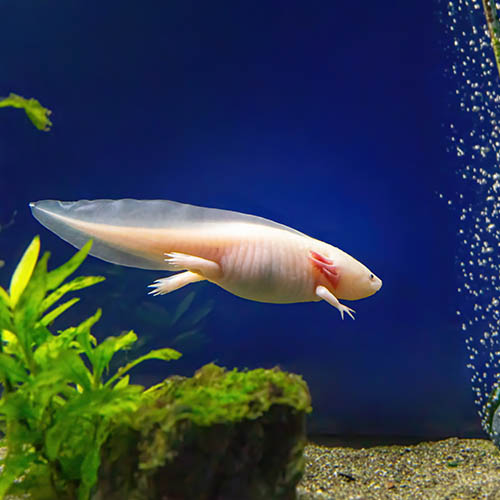
Plants
Incorporating live plants into your axolotl’s habitat not only enhances aesthetics but also contributes to the biological filtration of the system. Here are some suitable plant options:
- Java Fern (Microsorum pteropus): This hardy plant does well in low to moderate light and can be attached to driftwood or rocks.
- Anubias (Anubias spp.): Anubias are slow-growing and resilient, making them ideal for axolotl tanks.
- Hornwort (Ceratophyllum demersum): A fast-growing floating plant that absorbs nutrients and provides cover.
- Cryptocoryne (Cryptocoryne spp.): These plants thrive in low-light conditions and can be planted in the substrate.
When introducing plants, ensure they are free of pesticides and chemicals that could harm your axolotl.
Microfauna
Microfauna are small organisms that play a crucial role in maintaining a balanced ecosystem. They help break down waste and provide food for your axolotl. Some beneficial microfauna to consider include:
- Springtails (Collembola): These tiny insects feed on decomposing organic matter and help keep the substrate clean.
- Isopods: Isopods consume detritus and help break down waste, contributing to nutrient cycling.
- Worms (such as Red Wigglers): Earthworms can aerate the substrate and help in nutrient breakdown.
Introduce these microfauna before adding your axolotl, allowing them to establish a population in the tank.
Hiding Spots and Enrichment
Axolotls are nocturnal and often seek hiding spots during the day. Providing caves, driftwood, and other structures not only gives your axolotl a sense of security but also adds to the visual complexity of the enclosure. Use materials like PVC pipes, ceramic pots, or commercially available hides to create hiding spots.
Filtration System
While bioactive enclosures can reduce the need for mechanical filtration, a good filtration system is still necessary to maintain water quality. A sponge filter is a suitable choice for axolotls, as it provides biological filtration without creating strong currents that can stress your pet.
Lighting
Axolotls do not require bright lighting, as they are primarily nocturnal. A low to moderate light source is ideal for promoting plant growth without stressing your axolotl. Consider using a timer to simulate a natural day-night cycle.
Water Parameters
Maintaining the right water parameters is crucial for the health of your axolotl. Here are some key factors to monitor:
- Temperature: Axolotls prefer cooler water temperatures, ideally between 16°C and 20°C (60°F to 68°F).
- pH Level: The pH should be kept between 6.5 and 7.5.
- Ammonia and Nitrite Levels: These should always be at 0 ppm. Regular testing is necessary, especially during the initial setup phase.
Setting Up Your Bioactive Enclosure
Now that you have an understanding of the essential components, here’s a step-by-step guide to setting up your bioactive enclosure:
Step 1: Choose the Right Location
Select a stable, level surface away from direct sunlight and heat sources. Ensure easy access for maintenance and monitoring.
Step 2: Install the Substrate
Add a layer of sand and fine gravel, ensuring it’s deep enough (approximately 5 cm or 2 inches) to support plant roots and microfauna. Rinse the substrate thoroughly before adding it to the tank to remove dust and debris.
Step 3: Add Plants and Decor
Plant your chosen live plants according to their light and space requirements. Add driftwood, rocks, and hiding spots to create a natural landscape.
Step 4: Introduce Microfauna
Before adding your axolotl, introduce your microfauna to establish their population. This step is crucial for the bioactive system to function effectively.
Step 5: Set Up Filtration and Heating
Install your sponge filter and set it to run. If necessary, add a heater to maintain the desired water temperature, but ensure it’s set to a low range suitable for axolotls.
Step 6: Cycle the Tank
Before introducing your axolotl, allow the tank to cycle for at least 4 to 6 weeks. This process helps establish beneficial bacteria that will aid in breaking down waste products. Regularly test water parameters during this time to ensure a safe environment.
Step 7: Add Your Axolotl
Once the tank is cycled and stable, you can introduce your axolotl. Acclimate it gradually to avoid shock. Place the axolotl in a container with water from its previous environment, then slowly mix in water from the new tank over a period of several hours.
Maintenance of Your Bioactive Enclosure
While a bioactive enclosure can reduce maintenance, regular care is still necessary to ensure the health of your axolotl and the ecosystem. Here are some tips for ongoing maintenance:
Monitor Water Parameters: Regularly check temperature, pH, ammonia, nitrite, and nitrate levels. Make adjustments as needed.
Feed and Observe Your Axolotl: Provide a balanced diet and observe for any signs of stress or illness. Remove uneaten food to prevent water quality issues.
Trim Plants: Prune and maintain your plants to prevent overcrowding and ensure healthy growth.
Supplement Microfauna: Occasionally introduce more microfauna to keep their population healthy and thriving.
Creating a bioactive enclosure for your axolotl can greatly enhance its quality of life, providing a natural and enriching environment that supports its health and well-being. By carefully considering each component of the setup and maintaining a balanced ecosystem, you can enjoy the beauty of your axolotl in a thriving, self-sustaining habitat.
References
Axolotl Care: L. M. McCarthy, “Axolotl Care: The Complete Guide,” Reptiles Magazine, 2022.
Bioactive Enclosures: C. S. Davidson, “Building Bioactive Enclosures: The Benefits of a Naturalistic Setup,” Journal of Herpetology, vol. 25, no. 3, 2020, pp. 167-175.
Aquatic Plants: J. R. Brooks, “Aquatic Plants for Freshwater Aquariums,” Tropical Fish Hobbyist Magazine, 2021.
Microfauna in Aquariums: T. H. Lemaire, “The Role of Microfauna in Aquarium Ecosystems,” Aquatic Biology Journal, vol. 12, no. 4, 2019, pp. 235-242.
Axolotl Habitat: K. W. Paterson, “Creating the Perfect Habitat for Axolotls,” Aquarium Fish International, 2021.