The leopard gecko (Eublepharis macularius) has captured the hearts of many pet owners and reptile enthusiasts around the world. Known for its distinctive spotted patterns and docile nature, this reptile has a fascinating history that spans millennia. From its evolution in the arid regions of Asia to its current status as one of the most popular pet reptiles globally, the leopard gecko’s journey is an intriguing tale of survival, adaptation, and human fascination.
Evolution and Natural Habitat
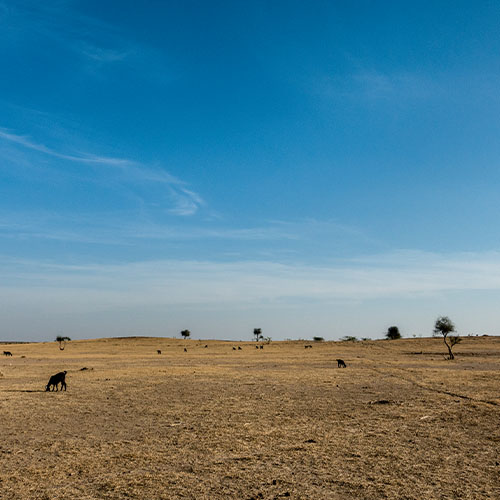
Leopard geckos are native to the semi-arid and arid regions of Pakistan, northwestern India, Afghanistan, and parts of Iran. The species evolved to thrive in harsh, dry environments characterized by rocky outcrops, sparse vegetation, and extreme temperatures. These regions experience significant fluctuations in temperature between day and night, and the leopard gecko has adapted accordingly. By being nocturnal, the gecko avoids the intense heat of the day and becomes active during cooler night-time temperatures.
Fossil records and phylogenetic studies suggest that the ancestors of the leopard gecko likely evolved during the Miocene epoch, around 23 to 5 million years ago. During this period, changes in climate and landscape in Central and South Asia would have influenced the distribution and evolution of species. The leopard gecko’s sturdy body, mobile eyelids (a trait uncommon among geckos), and fat-storing tail are all evolutionary adaptations that have enabled it to survive in its native, harsh desert environments.
Taxonomy and Scientific Classification
Leopard geckos belong to the family Eublepharidae, which includes other eyelid geckos. The genus Eublepharis is unique in that its members have eyelids, unlike many other gecko species, which possess transparent, immovable spectacles over their eyes. The name “Eublepharis” is derived from Greek, meaning “good eyelid,” a nod to their unique ability to blink and close their eyes, which is an essential adaptation to their dusty, sandy environments.
There are five recognized subspecies of the leopard gecko:
- Eublepharis macularius macularius (the nominate subspecies)
- Eublepharis macularius montanus
- Eublepharis macularius afghanicus
- Eublepharis macularius fasciolatus
- Eublepharis macularius smithi
Each of these subspecies exhibits subtle differences in color, pattern, and size, depending on the specific region they inhabit.
Leopard Geckos in Culture and Early Encounters
For centuries, leopard geckos lived in relative obscurity, hidden from the western world by the rugged landscapes of South Asia. Local communities in these regions likely viewed them as common desert fauna, often coexisting alongside other reptiles like snakes and lizards. However, as early explorers and naturalists traveled through Asia, they began to document and describe the unique wildlife they encountered.
One of the earliest detailed scientific descriptions of the leopard gecko comes from the British colonial period in India during the 19th century. Naturalists and zoologists stationed in British India were keen to catalogue the region’s biodiversity, and reptiles were a particular point of interest. These early accounts, however, were purely academic, with little to no mention of the geckos’ potential as pets.
Leopard Geckos in the Pet Trade

The transformation of leopard geckos from wild desert dwellers to popular pets began in the mid-20th century. In the 1960s and 1970s, herpetologists and reptile enthusiasts in the United States and Europe started importing leopard geckos from Pakistan, Afghanistan, and India. At the time, the global pet trade was beginning to expand, and reptiles were becoming an area of particular interest. Leopard geckos quickly stood out for several reasons:
- Appearance: Their distinct leopard-like spots and vibrant colors made them aesthetically pleasing.
- Size: With an average length of around 8-10 inches, they were small enough to be manageable for most households.
- Docility: Leopard geckos are known for their calm and docile nature, making them ideal pets even for beginners.
- Ease of Care: Unlike some other reptiles, leopard geckos do not require excessively complex care. Their diet (insects) is relatively easy to source, and they do not need large, high-maintenance enclosures.
As interest grew, breeders in the United States and Europe began to establish captive breeding programs. By the 1980s and 1990s, the leopard gecko was firmly established as a popular pet reptile. Breeders also began to experiment with creating different “morphs” – variations in color and pattern resulting from selective breeding. Today, there are over 100 different morphs of leopard geckos, ranging from albinos to high-contrast patterns.
Conservation Concerns and Ethical Breeding
While the rise of leopard geckos in the pet trade has brought joy to countless reptile enthusiasts, it has also raised concerns about the conservation and ethical treatment of these animals. In the early days of the pet trade, many leopard geckos were captured from the wild, particularly in Pakistan and India. This posed a threat to wild populations, as over-collection could potentially destabilize ecosystems where leopard geckos played a crucial role as both predator and prey.
Recognizing these concerns, governments in both the geckos’ native regions and importing countries began to impose stricter regulations on the capture and export of leopard geckos. Today, most leopard geckos in the pet trade are captive-bred, rather than wild-caught. This not only helps preserve wild populations but also ensures that geckos raised in captivity are better adapted to life as pets.
Captive breeding has also led to the emergence of ethical breeding practices. Responsible breeders prioritize the health and well-being of their animals, ensuring that geckos are not subjected to poor conditions or overbreeding. However, there are still challenges, particularly concerning the breeding of certain morphs that can result in health issues. For example, some morphs are prone to genetic conditions that affect the gecko’s eyesight or skeletal structure, leading to debates within the herpetology community about the ethics of breeding for aesthetics versus health.
The Role of Leopard Geckos in Research and Education
Leopard geckos have not only become popular as pets but also as subjects in scientific research and education. Their relatively simple care requirements and ease of handling make them ideal for use in educational settings. Schools, zoos, and nature centers often use leopard geckos as ambassadors to teach children and adults about reptiles, biodiversity, and conservation.
In addition, leopard geckos have been the focus of several scientific studies. Researchers have studied their regenerative abilities, particularly their capacity to regrow lost tails – a trait shared by many lizard species. Their ability to store fat in their tails and survive extended periods without food has also been of interest to scientists studying metabolism and energy conservation in reptiles.
Leopard Geckos in Popular Culture
Over the years, leopard geckos have made their way into popular culture, becoming iconic symbols of the reptile pet trade. With the rise of social media platforms like Instagram and YouTube, many leopard geckos have become minor celebrities, with pet owners sharing photos and videos of their unique pets. Their calm demeanor and photogenic appearances have made them popular subjects for reptile-themed merchandise, including clothing, artwork, and accessories.
Leopard geckos have also been featured in various reptile expositions and conventions, where enthusiasts gather to showcase different morphs, share care tips, and discuss breeding practices. These events highlight the growing community of leopard gecko lovers who continue to drive the species’ popularity as a pet.
The Future of Leopard Geckos

Looking ahead, the future of leopard geckos as pets and research subjects appears promising. Advances in reptile husbandry have significantly improved the care and breeding of leopard geckos, ensuring that future generations of pet geckos will be healthier and better adapted to captivity. Moreover, as interest in conservation grows, the role of captive-bred reptiles like the leopard gecko in reducing the demand for wild-caught animals is becoming more critical.
However, challenges remain, particularly regarding the ethical implications of breeding for specific morphs. As the leopard gecko community continues to grow, there will likely be ongoing discussions about the balance between breeding for aesthetics and ensuring the health and well-being of the animals.
The history of the leopard gecko is a testament to the resilience and adaptability of this remarkable species. From its origins in the arid deserts of South Asia to its current status as a beloved pet and scientific subject, the leopard gecko has made an indelible mark on both the natural world and human culture. As we continue to learn more about these fascinating creatures, it is essential to remember the responsibility that comes with caring for and conserving them, ensuring that future generations can enjoy and appreciate the beauty and wonder of the leopard gecko.
References
Bechtel, H. B. (1995). Reptile and Amphibian Variants: Colors, Patterns, and Scales. Krieger Publishing Company
Bauer, A. M. (1994). Gecko Evolution: An Integrative Approach. Herpetological Monographs.
Schleich, H. H., & Kästle, W. (2002). Amphibians and Reptiles of Nepal: Biology, Systematics, Field Guide. Koeltz Scientific Books.
Russell, A. P., & Bauer, A. M. (2000). The Lizard Ecology of Central Asia: Perspectives from the Past and Present. Academic Press.