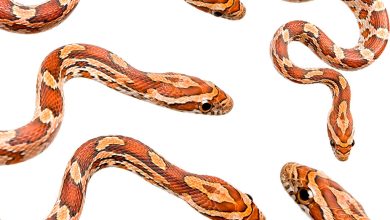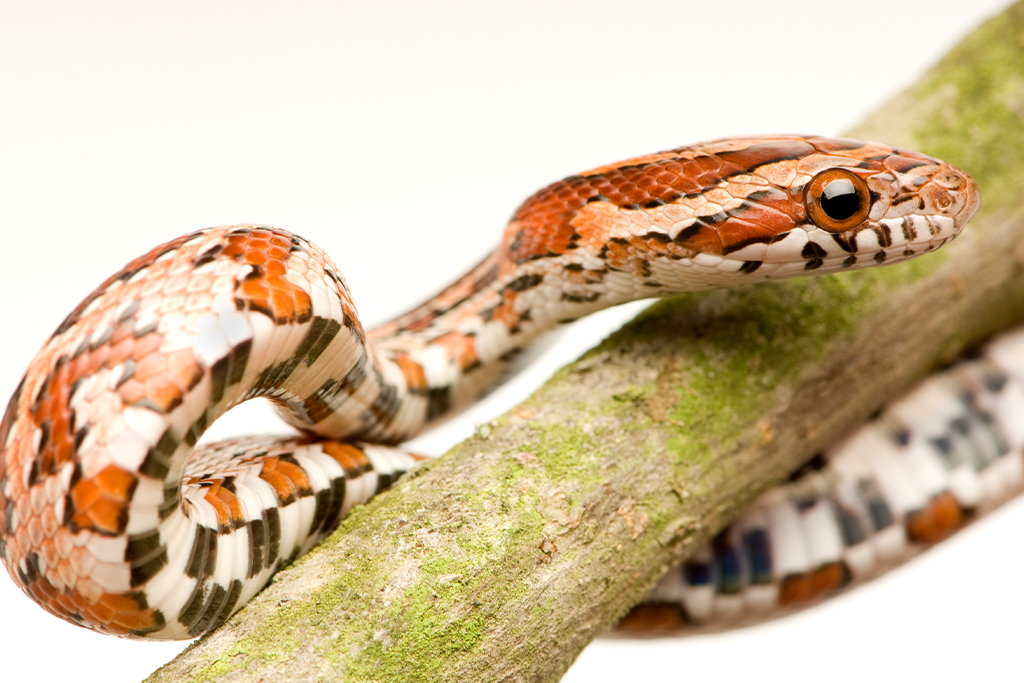
Corn snakes (Pantherophis guttatus) are one of the most popular pet snakes in the world, cherished for their docile nature and vibrant colours. However, despite their reputation as an ideal choice for novice reptile keepers, many owners make mistakes that can adversely affect the health and well-being of these beautiful creatures. In this article, we will explore the top five most common mistakes made by corn snake owners and provide guidance on how to avoid them.
Mistake 1: Inadequate Enclosure Size
One of the most frequent errors that new corn snake owners make is providing an inadequate enclosure. While juvenile corn snakes can thrive in smaller tanks, as they grow, they require a more spacious environment to ensure their physical and psychological well-being.
The Right Size
The minimum enclosure size for an adult corn snake is generally 4 feet in length, although larger is always better. A 3ft vivarium is suitable, but 4ft is often recommended. Young corn snakes can be housed in smaller enclosures, such as a faunarium, but it should be upgraded as they grow. It’s important to remember that corn snakes are semi-arboreal; therefore, providing vertical space can be beneficial. Using a tall tank with climbing branches and shelves can enrich their environment.
Why Size Matters
An undersized enclosure can lead to stress and boredom for the snake, causing it to exhibit undesirable behaviours such as excessive hiding or aggression. Furthermore, an improperly sized habitat may not allow for the necessary temperature gradients, which are vital for a snake’s thermoregulation. If your corn snake feels cramped, it may also have trouble shedding its skin properly.
Solution
When setting up an enclosure, make sure to measure the tank and consider the snake’s adult size. Incorporate a variety of substrates, hides, climbing branches, and water sources to create a stimulating environment. Regularly assess your corn snake’s behaviour to ensure that it is comfortable and active within its habitat.
Mistake 2: Incorrect Temperature and Humidity

Temperature and humidity play a crucial role in a corn snake’s health. Many owners overlook the importance of maintaining the correct environmental conditions in their snake’s habitat.
Ideal Conditions
Corn snakes require a temperature gradient within their enclosure, typically between 24°C (75°F) on the cool side and 29°C (85°F) on the warm side. The basking spot should be slightly warmer, around 31°C to 33°C (88°F to 92°F). Humidity levels should be kept around 40-60%. Proper heating can be achieved through heat mats, heat bulbs, or ceramic heaters, while humidity can be managed by misting or using a humidity gauge.
Consequences of Incorrect Conditions
Incorrect temperatures can lead to health issues such as respiratory infections, difficulty shedding, and metabolic bone disease. Low humidity can cause shedding problems, while excessively high humidity can encourage the growth of mould and mites, posing additional health risks.
Solution
Invest in a reliable thermometer and hygrometer to monitor conditions accurately. Create a temperature gradient by using heat mats or bulbs, ensuring the warm side has a basking area. Additionally, mist the enclosure as needed to maintain humidity levels, particularly during shedding periods.
Mistake 3: Overfeeding
Overfeeding is a prevalent mistake among corn snake owners, often stemming from a misunderstanding of their dietary needs. While it might be tempting to offer food frequently, doing so can have detrimental effects on your snake’s health.
Understanding Feeding Needs
Corn snakes should generally be fed once every 7 to 14 days, depending on their age and size. Young snakes may require more frequent feedings, while adults can thrive on less. A good rule of thumb is to offer prey that is roughly 1.5 times the width of the snake’s body at its widest point.
Risks of Overfeeding
Overfeeding can lead to obesity, which can result in a variety of health issues, including liver disease and difficulty shedding. It can also make your snake lethargic and reduce its overall quality of life. Signs of obesity include a bulging belly and difficulty moving, as well as a noticeable decrease in activity levels.
Solution
Monitor your corn snake’s weight and condition closely. If your snake appears to be gaining excessive weight, adjust its feeding schedule and consult with a veterinarian to determine an appropriate feeding plan. Additionally, providing enrichment in the enclosure can encourage natural behaviours and promote a healthier lifestyle.
Mistake 4: Neglecting to Provide Hides and Enrichment

Corn snakes are naturally secretive animals that thrive in environments where they can hide and explore. Many owners fail to provide adequate hiding spots or enrichment activities, leading to stress and boredom.
The Importance of Hides
Hides are essential for corn snakes as they offer a safe space where the snake can retreat to feel secure. Ideally, there should be at least two hides in the enclosure: one on the warm side and one on the cool side. This allows the snake to regulate its temperature while feeling protected.
Enrichment Activities
In addition to hides, incorporating enrichment items such as climbing branches, tunnels, and decorations can encourage natural behaviours and provide mental stimulation. Corn snakes enjoy exploring their surroundings, and an enriched environment can help reduce stress and encourage exercise.
Solution
When setting up the enclosure, include a variety of hides and enrichment items. Regularly rearranging the decorations can also stimulate your corn snake’s curiosity. Additionally, consider providing opportunities for interactive play, such as allowing your snake to explore outside its enclosure in a safe, controlled environment.
Mistake 5: Lack of Regular Health Checkups

Many corn snake owners neglect the importance of regular health checkups, which can lead to undiagnosed health issues. Just like any pet, corn snakes require routine veterinary care to ensure they remain healthy and vibrant.
Signs of a Healthy Snake
Healthy corn snakes should be alert, active, and have clear eyes and smooth skin. Regular health checks should include examining the snake for any signs of illness, such as lethargy, abnormal shedding, or changes in appetite. Additionally, checking for external parasites like mites or ticks is essential.
Why Regular Checkups Matter
Routine veterinary visits can help detect health issues early, allowing for more effective treatment. Some conditions, like respiratory infections or parasites, can escalate quickly if not addressed. Regular checkups also provide an opportunity to ask your veterinarian about diet, enclosure conditions, and any behavioural concerns.
Solution
Establish a routine for examining your corn snake, ideally on a monthly basis. Schedule annual veterinary checkups to monitor your snake’s overall health. If you notice any signs of illness or distress, do not hesitate to consult a veterinarian familiar with reptiles.
Caring for a corn snake can be an immensely rewarding experience, but it requires attention to detail and a commitment to their well-being. By avoiding these common mistakes—ensuring an adequate enclosure size, maintaining the correct temperature and humidity, feeding appropriately, providing hides and enrichment, and prioritising health checkups—owners can create a thriving environment for their corn snakes. Remember, a well-cared-for corn snake is a happy and healthy one!
References
Sullivan, B. K. (2019). “Health and Diseases of Pet Snakes.” Veterinary Clinics of North America: Exotic Animal Practice. veterinaryclinics.com.
Denny, M. (2016). The Corn Snake Manual: A Complete Guide to Keeping Corn Snakes as Pets. Reptile Books. reptilebooks.com.
Minton, A. S. (2020). Reptile Care: A Guide to Keeping and Caring for Your Reptiles. Pet Press. petpress.com.
Gordon, A. (2018). “Common Mistakes to Avoid with Your Corn Snake.” Reptiles Magazine. Available at: reptilesmagazine.com.
Cornsnake.com. (2023). “Corn Snake Care.” Cornsnake.com. Available at: cornsnake.com.