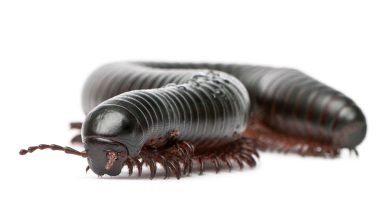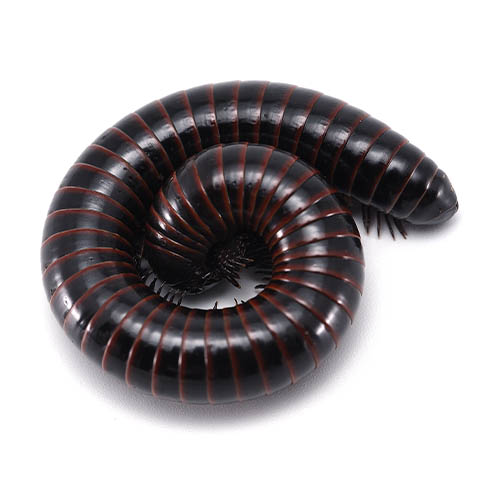
Giant African millipedes (Archispirostreptus gigas) are fascinating creatures, often kept as pets due to their unique appearance and behaviour. Native to the tropical forests of East Africa, these millipedes require specific temperature and humidity conditions to thrive in captivity. Understanding and maintaining these environmental factors is crucial for their health and well-being. This article delves into the ideal temperature and humidity requirements for giant African millipedes, offering care guidelines and tips for enthusiasts and owners.
Natural Habitat
Giant African millipedes are typically found in the humid, warm environments of tropical forests. In their natural habitat, they inhabit the leaf litter and decaying plant material, which provides both food and shelter. The climate in these regions tends to be consistently warm, with high humidity levels year-round. Replicating these conditions in captivity is essential for their health.
Temperature Requirements

Ideal Temperature Range
The ideal temperature range for giant African millipedes is between 24°C and 30°C (75°F to 86°F). Within this range, millipedes are most active, feeding, and engaging in natural behaviours. Temperatures below 20°C (68°F) can lead to lethargy and reduced activity, while temperatures exceeding 32°C (90°F) can be detrimental to their health, causing stress and potential mortality.
Temperature Fluctuations
While giant African millipedes can tolerate some fluctuations in temperature, it is essential to avoid extreme changes. A stable temperature environment helps prevent stress. Ideally, the temperature should not fluctuate more than 2-3°C (3-5°F) throughout the day.
Measuring Temperature
Using a reliable thermometer is crucial for monitoring the temperature in the millipede enclosure. Digital thermometers with probes can provide accurate readings and allow for easy monitoring of both air and substrate temperatures. Place the thermometer at various locations within the habitat to ensure a consistent environment.
Heat Sources
To maintain the ideal temperature range, you may need to use heat sources such as heat mats, ceramic heat emitters, or under-tank heaters. Ensure these heat sources do not create hot spots that could lead to overheating. It’s advisable to provide a gradient of temperatures within the enclosure, allowing the millipedes to move to areas of their preferred warmth.
Humidity Requirements

Ideal Humidity Levels
Humidity is equally vital for the well-being of giant African millipedes. The ideal humidity level for these creatures is around 70% to 80%. High humidity is crucial for their respiratory health, as millipedes breathe through spiracles located along their bodies, which can become clogged if the environment is too dry.
Humidity Fluctuations
Similar to temperature, humidity should remain relatively stable. Sudden drops in humidity can cause stress, while excessive moisture can lead to health issues such as fungal infections. Maintaining a consistent humidity level helps ensure that the millipedes remain active and healthy.
Measuring Humidity
Using a hygrometer is essential for monitoring humidity levels in the enclosure. Digital hygrometers provide accurate readings and allow for easy tracking of humidity levels throughout the day. Like temperature, measure humidity in different areas of the enclosure to ensure a balanced environment.
Maintaining Humidity
To maintain the ideal humidity levels, consider the following strategies:
- Substrate Choice: Use a substrate that retains moisture, such as coconut coir, peat moss, or a mix of both. The substrate should be at least 10-15 cm (4-6 inches) deep to allow for burrowing.
- Mist the Enclosure: Regularly mist the enclosure with dechlorinated water to maintain humidity levels. Aim to mist the substrate and the sides of the enclosure without creating standing water, as this can lead to mould and other issues.
- Water Dish: Providing a shallow water dish can help maintain humidity. Ensure the dish is shallow enough to prevent drowning but deep enough to allow the millipedes to drink. Replace the water regularly to keep it fresh.
- Ventilation: While high humidity is essential, proper ventilation is also necessary to prevent stagnant air and mould growth. Ensure the enclosure has adequate airflow while still maintaining humidity levels.
Seasonal Changes
In their natural habitat, giant African millipedes experience seasonal changes that can affect temperature and humidity. Owners should be aware of these changes and adjust their care accordingly. During warmer months, maintaining higher humidity and temperature levels may be necessary, while cooler months might require heating elements to ensure the enclosure remains within the ideal range.
Behavioural Indicators
Observing the behaviour of giant African millipedes can provide insight into their environmental needs. Signs of stress due to improper temperature or humidity include:
- Lethargy: Millipedes become less active and may stay hidden for extended periods.
- Aggression: Uncomfortable conditions can lead to increased aggression or defensive behaviours.
- Excessive Shedding: Improper humidity can cause problems with molting, leading to stress and health issues.
If you notice these signs, consider adjusting the temperature and humidity levels in the enclosure.
Creating and maintaining the ideal temperature and humidity conditions for giant African millipedes is essential for their health and longevity. By providing a warm, humid environment that mimics their natural habitat, owners can ensure that these remarkable creatures thrive in captivity. Regular monitoring and adjustments will help create a stable environment that allows for active and healthy millipedes. With proper care, giant African millipedes can make fascinating and low-maintenance pets, captivating their owners with their unique behaviours and appearances.
References
Petersen, A. (2019). Invertebrate Care: A Comprehensive Guide for Pet Owners. Invertebrate Enthusiast Press.
Cohen, J. (2018). Keeping Giant Millipedes: A Guide to Care and Maintenance. Exotic Animal Care.
Smith, R. (2020). The Essential Guide to Invertebrate Care: Temperature and Humidity Considerations. Invertebrate Care Journal, 12(3), 45-56.
Miller, T. (2019). Tropical Millipede Habitats and Their Care in Captivity. Journal of Exotic Animal Care, 8(1), 22-30.
Johnson, L. (2021). The Ecology and Husbandry of Giant African Millipedes. International Journal of Myriapod Studies, 15(2), 88-102.
Thompson, H. (2022). Environmental Enrichment for Millipedes: Temperature and Humidity Needs. Journal of Exotic Pet Medicine, 14(4), 175-182.