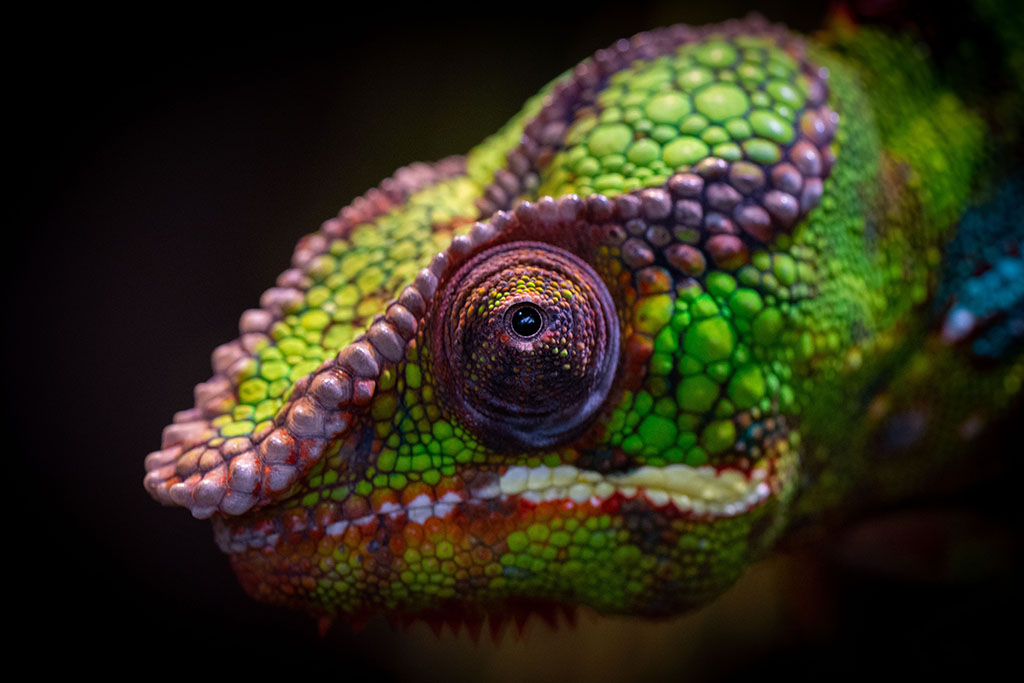
Creating a Bioactive Enclosure for Your Panther Chameleon

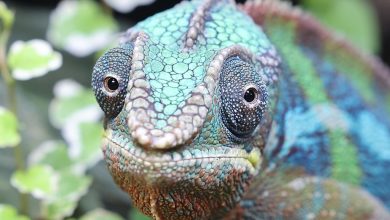
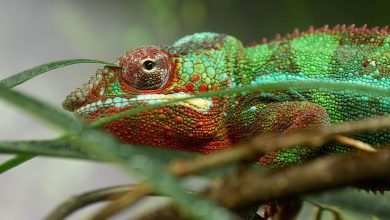
Panther chameleons (Furcifer pardalis) are among the most vibrant and fascinating reptiles in the pet trade. Native to Madagascar, these lizards are renowned for their striking colours and intricate behaviours. To ensure their health and well-being, it is essential to provide them with an environment that mimics their natural habitat. One of the best ways to achieve this is through a bioactive enclosure. This article will guide you through the process of setting up a bioactive habitat for your panther chameleon, covering everything from enclosure size to substrate, plants, and maintenance.
Understanding Bioactive Enclosures
A bioactive enclosure is a self-sustaining ecosystem that includes live plants, beneficial microfauna, and a substrate that supports the natural behaviour and health of the inhabitants. In a bioactive setup, the balance between plants, soil, and small invertebrates creates a natural environment that promotes better hydration, nutrition, and mental stimulation for your chameleon.
Benefits of a Bioactive Enclosure
- Reduced Stress: A more natural habitat allows for behaviours such as climbing, hiding, and foraging, which can reduce stress levels in your chameleon.
- Natural Hydration: A bioactive system provides a humid microclimate that mimics the chameleon’s native rainforest habitat. Live plants help to maintain humidity levels and create a more stable environment.
- Enhanced Aesthetics: A well-planted bioactive enclosure is visually appealing and can be a stunning addition to any room.
- Easier Maintenance: The presence of beneficial microfauna, such as springtails and isopods, helps break down waste and decomposing organic matter, making it easier to maintain a clean environment.
Choosing the Right Enclosure
Size and Type
For a single adult panther chameleon, a minimum enclosure size of 24” x 24” x 48” is recommended. This size allows for vertical space, which is crucial as chameleons are arboreal. Consider using a well-ventilated glass terrarium or a mesh enclosure to provide adequate airflow.
Placement
Place the enclosure in a location that receives indirect natural light and maintains a stable temperature. Avoid direct sunlight, as it can create temperature spikes that may stress your chameleon.


Substrate Selection
The substrate is a crucial element of a bioactive enclosure. It should support plant growth while also being suitable for the chameleon.
Recommended Substrates
- Reptile Bark: Often branded orchid bark these large pieces of tropical bark can retain moisture but not perfect for burrowing microfauna but can be a useful top layer.
- Soil Mix: Use a high-quality invertebrate soil mix or organic potting soil without additives and fertilisers. This will provide nutrients for your plants and a natural medium for burrowing microfauna.
- Coconut Coir: This is a great option for moisture retention and is less likely to compact than traditional soil.
- Leaf Litter: Adding a layer of leaf litter not only creates a natural look but also provides a habitat for beneficial organisms.
Layering the Substrate
A typical substrate layer consists of three components:
- Drainage Layer: Start with a layer of hydroton (expanded clay balls) or gravel, approximately 1-2 inches deep. This layer helps to prevent water from pooling and creates a space for excess moisture.
- Soil Layer: On top of the drainage layer, add 3-4 inches of your soil mix. This layer should be deep enough to support plant roots.
- Leaf Litter Layer: Finally, add a layer of leaf litter to enhance the aesthetic and provide habitat for microfauna.
Selecting Plants
Choosing the right plants is critical for creating a functional and beautiful bioactive enclosure.
Ideal Plant Choices
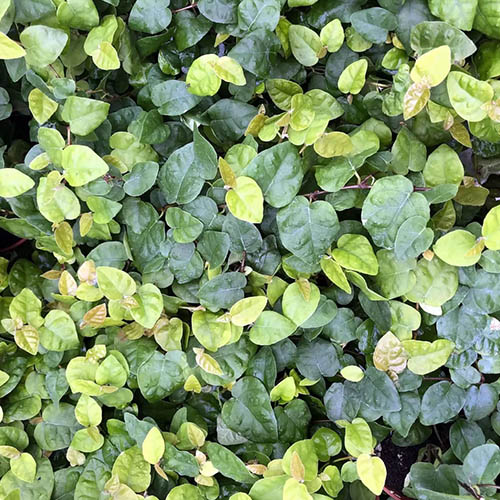
- Ficus benjamina (Weeping Fig): Provides cover and climbing opportunities.
- Pothos (Epipremnum aureum): Thrives in low light and helps purify the air.
- Bromeliads: Add a unique aesthetic and provide water reservoirs for drinking.
- Orchids: These can add beautiful flowers and thrive in humid environments.
- Sword Fern (Nephrolepis exaltata): Adds greenery and helps maintain humidity.
Plant Care
Ensure that your plants are pesticide-free. Regularly misting the enclosure will help plants thrive and maintain humidity levels. Prune as necessary to prevent overgrowth.
Introducing Microfauna
Microfauna play a vital role in a bioactive setup. They help decompose waste, aerate the soil, and can serve as a food source for your chameleon.
Recommended Microfauna
- Springtails (Collembola): These tiny creatures feed on decaying organic matter and help to break down waste.
- Isopods (e.g., Armadillidiidae): Also known as pill bugs, isopods help clean up detritus and add biodiversity to the ecosystem.
- Nematodes: These microscopic worms can help with soil health.
Creating Environmental Conditions
Temperature and Humidity
Maintaining the correct temperature and humidity levels is crucial for the health of your panther chameleon.
- Temperature: A basking spot should be maintained between 28-32°C (82-90°F), with a cooler side of the enclosure ranging from 20-24°C (68-75°F).
- Humidity: Aim for a humidity level between 60-80%. Use a hygrometer to monitor humidity levels and adjust as necessary.
- Misting: Regular misting is essential to maintain humidity and provide drinking water for your chameleon. Automated misting systems can simplify this process.
Lighting Requirements
Proper lighting is vital for the health and well-being of your chameleon.
- UVB Lighting: Provide a high-quality UVB bulb that covers the entire enclosure. This is essential for calcium metabolism and overall health.
- Basking Light: Use a basking bulb to create a warm spot for your chameleon to thermoregulate.
- Lighting Schedule: Maintain a light cycle of 12 hours of light and 12 hours of darkness to simulate a natural environment.
Maintenance of the Bioactive Enclosure
Regular maintenance is essential to ensure the health of your bioactive enclosure.
Weekly Tasks
- Misting: Mist the enclosure daily or set up an automatic misting system.
- Plant Care: Check the health of your plants, trimming any dead leaves and ensuring they receive adequate light.
- Microfauna Monitoring: Observe the microfauna populations and add more if necessary.
Monthly Tasks
- Substrate Check: Top off the substrate if it has compacted over time.
- Clean Up: Remove any visible waste without disturbing the microfauna.
Signs of a Healthy Bioactive Enclosure
Healthy Plant Growth: Lush, vibrant plants indicate a healthy environment.
Active Microfauna: A thriving population of microfauna helps to maintain a balanced ecosystem.
Happy Chameleon: Observe your chameleon’s behaviour; an active, curious chameleon indicates a healthy environment.
Creating a bioactive enclosure for your panther chameleon is a rewarding and enriching experience. It requires careful planning, dedication, and ongoing maintenance, but the benefits to your chameleon’s health and well-being are well worth the effort. A well-designed bioactive habitat not only provides a beautiful display but also helps ensure that your chameleon thrives in an environment that mimics its natural habitat.
References
Davis, L. (2022). “Bioactive Enclosure Setup for Reptiles”. Herpetological Review. Herpetological Review.
Bennett, A. (2005). Chameleons: Their Care and Breeding in Captivity. London: Blandford Press.
Koch, E. (2011). Chameleon Care: The Complete Guide to Care, Breeding and Keeping Chameleons. New York: Reptile Publishing.
Brandon, S. (2016). “Creating Bioactive Terrariums: A Beginner’s Guide”. Reptiles Magazine. Reptiles Magazine.
Talon, A. (2018). “A Guide to Bioactive Vivariums”. The Vivarium Handbook. Vivarium Handbook.
Wysocki, R. (2020). The Complete Guide to Panther Chameleons. London: Reptile Books.