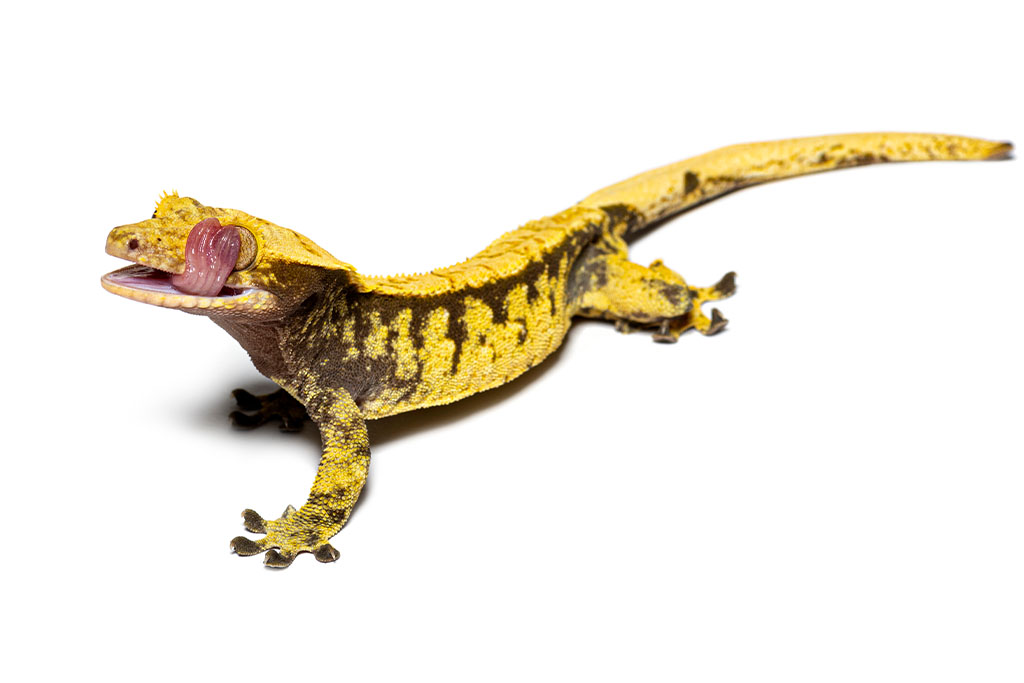
Crested geckos (Correlophus ciliatus) are among the most popular pet reptiles, particularly for beginners due to their manageable care requirements, docile temperament, and engaging personalities. One of the most critical aspects of their care is providing an optimal enclosure that mirrors their natural environment. Choosing the right habitat is essential not only for their health and well-being but also for promoting their natural behaviours.
This guide will walk you through all the factors to consider when choosing the right enclosure for your crested gecko, including size, materials, heating, lighting, and decoration, ensuring that your gecko thrives in a secure and comfortable space.

Natural Habitat Overview
Crested geckos are native to the tropical rainforests of New Caledonia, an island in the southwest Pacific. In the wild, they spend most of their time in trees, hopping from branch to branch in search of food and shelter. Therefore, it’s important to replicate this arboreal (tree-dwelling) lifestyle in captivity.
Crested geckos are nocturnal, meaning they are most active at night. During the day, they prefer to hide in shaded areas. These characteristics will inform your choice of enclosure, ensuring you provide them with the right amount of vertical space, climbing structures, and hiding spots.
Factors to Consider When Choosing an Enclosure
- Enclosure Size
- Juvenile Crested Geckos: For younger geckos (under a year old), a smaller enclosure is recommended. A tank size of 12 x 12 x 18 inches (30 x 30 x 45 cm) is appropriate. Too large an enclosure can be overwhelming for juveniles, making it harder for them to find food.
- Adult Crested Geckos: For an adult crested gecko, a larger, vertically-oriented terrarium is necessary to accommodate their climbing habits. The minimum recommended size is 18 x 18 x 24 inches (45 x 45 x 60 cm), but larger enclosures, such as 24 x 18 x 24 inches or more, provide even better space for exploration.
- Group Housing: If you plan to keep multiple geckos together (which is generally discouraged unless for breeding purposes or if the enclosure is large enough), you’ll need more space. Adding an extra 10 gallons for each additional gecko is a good rule of thumb. However, only females or a male with females should be housed together, as males may become territorial and aggressive.
- Material Choices
- Glass Enclosures: These are the most popular choice for crested geckos due to their visibility and ease of maintenance. Glass retains humidity well, a critical factor for crested gecko health, and allows for better regulation of temperature. Brands like Exo Terra and Zoo Med offer glass terrariums specifically designed for arboreal species, with front-opening doors for easy access.
- Plastic Enclosures: Lightweight and durable, plastic or PVC enclosures are another option. These enclosures are highly customizable, and though they may not offer the same level of visibility as glass, they are better at retaining heat. Plastic is also more resistant to accidental damage, such as knocks or drops, making it ideal for households with pets or children.
- Mesh Enclosures: Mesh enclosures are typically not recommended for crested geckos. While they provide excellent ventilation, they make it difficult to maintain the necessary humidity levels. If you live in a very humid environment, mesh could be considered, but for most keepers, glass or plastic is a better option.
- Ventilation
- While humidity is important for crested geckos, good ventilation is just as crucial to prevent mould growth and stagnant air. Most commercial terrariums offer ventilation through the top or sides of the enclosure. It’s important to ensure the balance between humidity retention and fresh airflow. Adjustable ventilation options or incorporating live plants can help maintain proper conditions.
- Humidity and Temperature Control
- Humidity: Crested geckos require moderate to high humidity levels of 60% to 80%. You can achieve this by misting the enclosure once or twice a day and using substrate materials like coconut fibre, sphagnum moss, or other moisture-retaining substrates. Additionally, installing a hygrometer will help monitor humidity levels.
- Temperature: Crested geckos thrive in temperatures between 72°F to 78°F (22°C to 26°C), with a slight drop at night. They do not require intense heating like many other reptiles but do benefit from a natural day/night temperature gradient. Avoid temperatures above 82°F (28°C), as this can cause stress or heat stroke. A low-wattage heat lamp or ceramic heat emitter may be used during colder months, but always check that temperatures stay within the recommended range using a thermometer.
- Lighting
- Although crested geckos are nocturnal, providing a light source that mimics a natural day/night cycle (12 hours on, 12 hours off) is beneficial. UVB lighting, though not essential for crested geckos, can be provided to enhance their overall health and well-being. UVB exposure aids in the synthesis of vitamin D3, which helps in calcium absorption and can prevent metabolic bone disease (MBD).
- Ensure that any lighting does not overheat the enclosure. LED or low-wattage UVB bulbs are commonly used for this purpose, and lights should always be positioned at the top of the enclosure to prevent overheating.
Decorating the Enclosure
Creating a stimulating and comfortable environment inside the enclosure is as important as choosing the right one. Crested geckos love to explore, hide, and climb, so filling their habitat with appropriate decorations is key.
Substrate
- The substrate should retain moisture, be easy to clean, and be safe if accidentally ingested. Good options include:
- Coconut fibre
- Reptile bark
- Sphagnum moss
- Paper towels (for juvenile geckos)
- Avoid substrates like sand or gravel, as these can cause impaction if swallowed.
Climbing Structures
- Being arboreal, crested geckos need plenty of vertical space and things to climb on. Cork bark, driftwood, branches, and vines are excellent options. Climbing structures should be sturdy and positioned securely to prevent accidents.
Hiding Spots
- Providing multiple hiding spots allows your gecko to feel secure. You can use commercial reptile hides, half-logs, or natural materials like hollowed-out cork tubes. Place hides both on the ground and elevated in the enclosure.
Live or Artificial Plants
- Live plants can be an excellent addition to a crested gecko’s enclosure. Not only do they increase the enclosure’s natural feel, but they also help maintain humidity levels. Suitable plants include:
- Pothos
- Ficus
- Snake plants
- Artificial plants are another option for a low-maintenance setup. They provide the same visual appeal and hiding spots without the need for care. Ensure any artificial plants are non-toxic and reptile-safe.
Bioactive vs. Traditional Setups
- Traditional Setup: In a traditional crested gecko enclosure, you will typically use paper towels or a simple substrate for easy cleaning. Decorations are minimal, with artificial plants or basic branches. This setup is easier to maintain but does not provide the same environmental enrichment as a bioactive enclosure.
- Bioactive Setup: A bioactive setup replicates a natural ecosystem, including live plants, a natural substrate, and beneficial organisms (cleanup crews) such as isopods and springtails. The live plants help maintain humidity and provide a more natural environment. The microfauna breaks down waste, reducing the need for frequent cleaning and creating a self-sustaining system. However, bioactive enclosures can be more complex to set up and require ongoing care for the plants and microfauna.
Cleaning and Maintenance
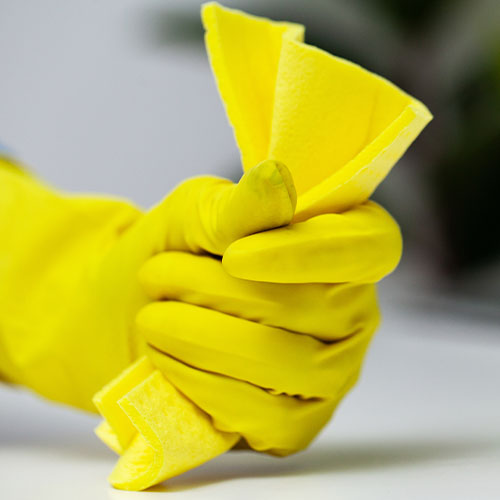
Keeping the enclosure clean is essential for the health of your crested gecko. Even in a bioactive setup, regular spot cleaning is necessary. Here are a few tips:
Daily Spot Cleaning: Remove uneaten food, droppings, and any visible waste.
Deep Cleaning: Every month or so, conduct a thorough clean of the enclosure. Remove all decorations and substrate, disinfect surfaces with reptile-safe cleaners, and replace the substrate if needed.
Bioactive Enclosures: In a bioactive setup, cleaning is less frequent but still important. Let the cleanup crew handle most waste, but remove large debris and dead plant matter.
Choosing the right enclosure for your crested gecko is one of the most important steps in ensuring its health, happiness, and longevity. A well-thought-out enclosure that mimics their natural habitat, with plenty of climbing opportunities, hides, and proper humidity levels, will allow your gecko to exhibit its natural behaviors and thrive. Whether you choose a traditional or bioactive setup, regular maintenance and attention to detail will go a long way in creating a comfortable and enriching home for your pet.
References
Reptiles Magazine. (n.d.). How to Care for Crested Geckos. Available at: https://www.reptilesmagazine.com/crested-gecko-care-guide/
Reptile Centre. (n.d.). Crested Gecko Care Sheet. Available at: https://www.reptilecentre.com/info-crested-gecko-care-sheet
Exo Terra. (n.d.). Crested Gecko. Available at: https://www.exo-terra.com/en/products/gecko.php
The Spruce Pets. (2021). Crested Gecko Care Guide. Available at: https://www.thesprucepets.com/caring-for-crested-gecko-1236837