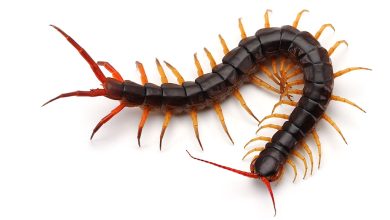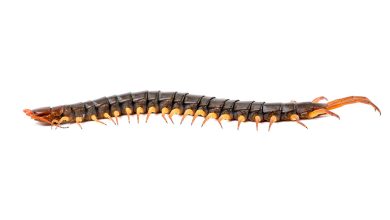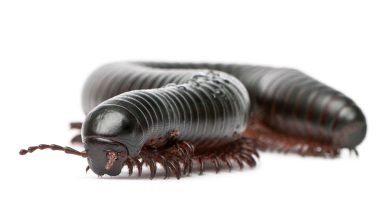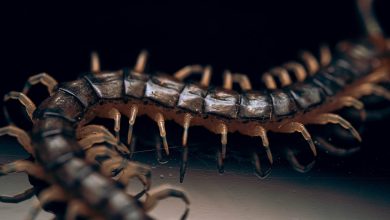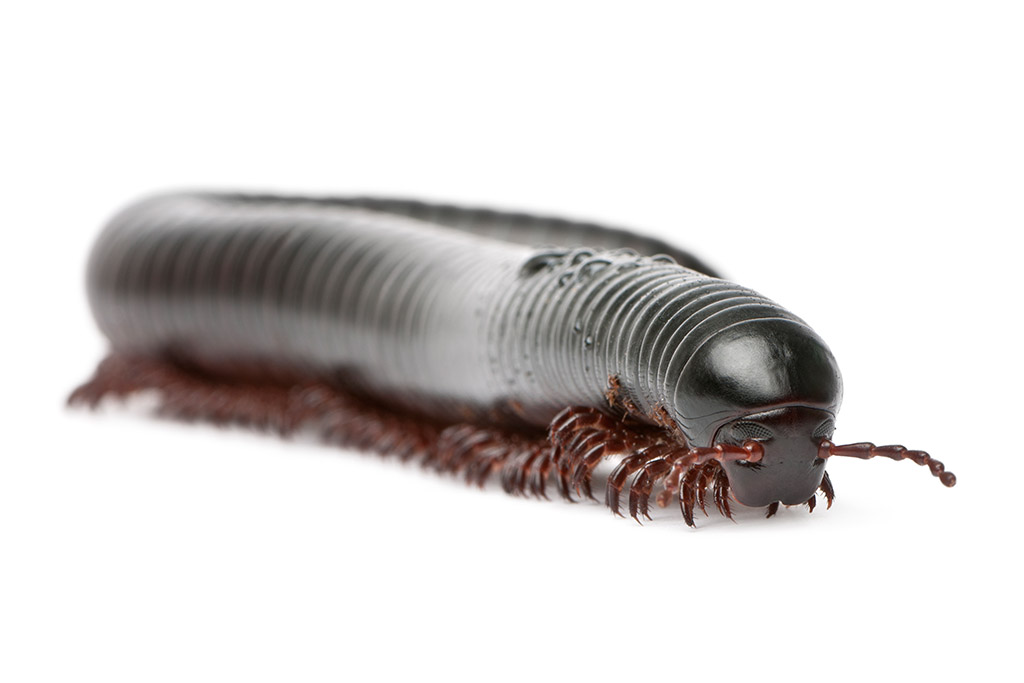
The Giant African Millipede, also known by its scientific name Archispirostreptus gigas, is one of the largest millipede species in the world, often growing up to 30 cm in length. Native to tropical regions of Africa, these fascinating creatures have become increasingly popular in the exotic pet trade due to their gentle nature and relatively simple care requirements. While they may appear intimidating due to their size and many legs, they are harmless to humans and can make excellent pets for those interested in invertebrates.
In this beginner’s guide, we will explore the essentials of Giant African Millipede care, including their housing, feeding, and handling, as well as important considerations to ensure they remain healthy and comfortable in captivity.
Understanding the Giant African Millipede
Appearance and Anatomy
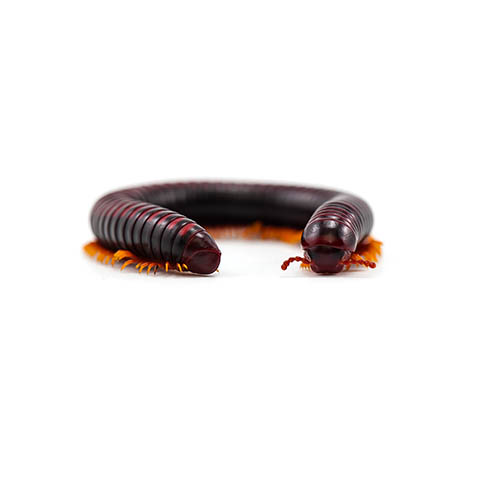
Giant African Millipedes are known for their cylindrical bodies that can reach lengths of up to 30 cm and widths of 2-3 cm. They have a segmented body, with each segment possessing two pairs of legs. Adult millipedes can have up to 400 legs, although the number varies depending on their age and growth stage. Their exoskeleton is typically shiny and black or dark brown, providing them with protection from predators and dehydration in their natural habitats.
Despite their name, millipedes do not actually have 1,000 legs; rather, they have a variable number of legs depending on the number of body segments. As they grow and moult, new segments and legs are added.
Behaviour and Temperament
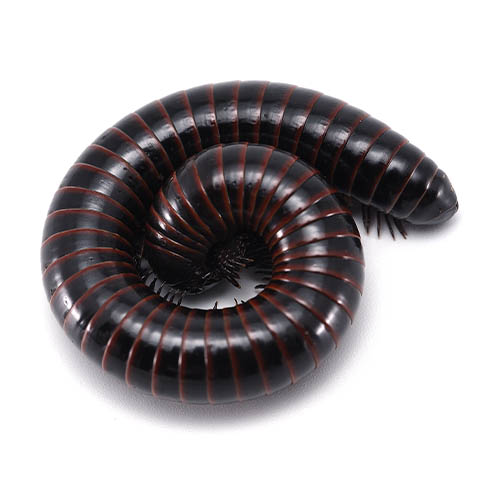
Giant African Millipedes are slow-moving and non-aggressive. They are primarily nocturnal and spend most of their time burrowing, foraging for food, and hiding under substrate or shelter during the day. When threatened, millipedes will curl into a tight spiral, protecting their soft underbelly and vulnerable legs. They may also secrete a harmless, mild toxin that can stain the skin but is not dangerous to humans.
Millipedes are peaceful and calm creatures, making them ideal pets for people who are interested in observing rather than handling.
Setting Up a Millipede Habitat
Enclosure Size and Type
When selecting a home for your Giant African Millipede, the enclosure should be spacious enough to allow them to move freely and burrow. A minimum size of 10 gallons (38 litres) is recommended for a single millipede, but larger is always better, especially if you plan on keeping multiple millipedes together.
A glass or plastic terrarium with a secure lid is ideal. Millipedes are not strong climbers, but they can escape through small openings, so ensure the lid is tight and escape-proof. Ventilation is important, but the enclosure should also maintain high humidity, so avoid excessive airflow that may dry out the environment.
Substrate
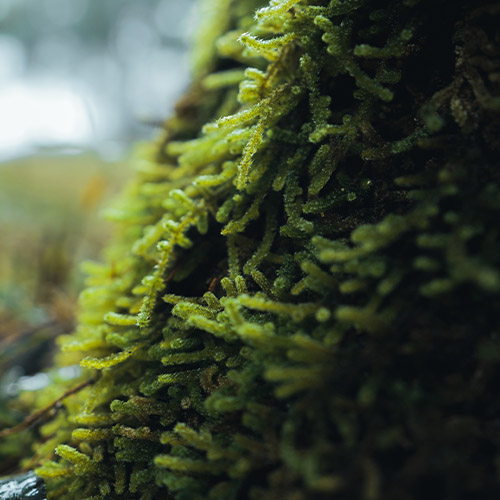
Substrate is crucial for the wellbeing of your millipede, as they spend a significant portion of their time burrowing. A deep layer (around 10-15 cm) of substrate is essential for comfort, and it should mimic the natural forest floor of their native environment. A good substrate mix includes:
- Sphagnum moss
- Coconut fibre (coir)
- Organic topsoil (free from pesticides and fertilisers)
- Leaf litter
The substrate should be kept moist but not waterlogged. Millipedes require a humid environment, and the moisture in the substrate helps them maintain proper hydration and facilitates shedding (molting). Mist the enclosure regularly to maintain humidity levels between 70-80%.
Temperature and Humidity
Giant African Millipedes are native to warm, tropical environments, so it’s important to provide them with a consistent temperature of 23-27°C. Use a low-wattage heat mat on the side or bottom of the enclosure to maintain this temperature. Avoid direct sunlight, as it can cause overheating.
Humidity levels should be kept between 70-80%, as millipedes are prone to desiccation (drying out). Regular misting and the presence of moist substrate will help maintain this balance. A hygrometer can be used to monitor humidity levels in the enclosure.
Hiding Spots and Décor
Millipedes enjoy having hiding spots to retreat to during the day. Cork bark, logs, and pieces of driftwood provide excellent shelter and enrichment. You can also add pieces of leaf litter and live plants, which not only improve the aesthetics of the enclosure but also help maintain humidity and provide natural cover.
Feeding and Diet
Giant African Millipedes are detritivores, meaning they feed on decaying plant matter. In captivity, they thrive on a diet of fruits, vegetables, and decaying leaves. It is essential to provide them with a varied diet to ensure they receive all the necessary nutrients.
What to Feed Your Millipede
- Fresh fruits: Apples, bananas, strawberries, melons, and cucumbers.
- Fresh vegetables: Carrots, zucchini, sweet potatoes, and leafy greens like spinach or kale.
- Leaf litter: Decaying leaves collected from pesticide-free areas.
It’s important to remove any uneaten food regularly to prevent mould growth, which can be harmful to millipedes.
Calcium Supplementation
Calcium is crucial for maintaining a healthy exoskeleton. Dusting their food with calcium powder once a week will help prevent deficiencies and ensure strong growth. You can also place a cuttlebone in the enclosure for the millipedes to nibble on as an additional calcium source.
Water
Millipedes obtain most of their water through the moisture in their food and substrate, but it is still important to provide a shallow dish of water in the enclosure. The water dish should be shallow to prevent drowning, as millipedes are not good swimmers. Regular misting will also help them stay hydrated.
Handling Your Millipede
While Giant African Millipedes are docile and can be handled, it is important to do so with care. Their exoskeletons are delicate, and rough handling can cause injury. If you do wish to handle your millipede, make sure your hands are clean and free from any chemicals (such as soap, lotion, or hand sanitiser), as millipedes are sensitive to these substances.
When picking up your millipede, allow it to crawl onto your hand rather than grabbing it. Millipedes will often curl into a ball when they feel threatened, but they will soon uncurl and begin exploring once they feel safe. Always handle them over a soft surface to prevent injury in case they fall.
It’s important to note that millipedes may secrete a mild irritant when stressed. While this secretion is harmless to humans, it can stain your skin, so washing your hands after handling is recommended.
Health and Moulting
Moulting Process
Like all arthropods, Giant African Millipedes undergo moulting to grow. During this process, the millipede will shed its old exoskeleton and form a new one. Moulting typically occurs underground, as millipedes will burrow to create a safe space to undergo this vulnerable phase.
During the moult, the millipede may stop eating and become lethargic, which is normal. It’s essential not to disturb them during this time, as any interference can cause stress and complications. After moulting, the new exoskeleton will take time to harden, so handle them with care once they resurface.
Common Health Issues
- Dehydration: Millipedes require a humid environment to thrive. Signs of dehydration include a shriveled appearance and lethargy. Ensure that the humidity in the enclosure is maintained and that the millipede has access to moisture.
- Mites: While most mites found on millipedes are harmless and help clean the exoskeleton, an overabundance can indicate poor enclosure conditions. Regular cleaning and proper substrate management can prevent mite infestations.
- Injuries: Millipedes are delicate, and rough handling or falls can cause injury. Avoid handling your millipede unless necessary and always handle them gently.
Breeding Giant African Millipedes
Breeding Giant African Millipedes in captivity can be a rewarding experience. These millipedes are dioecious, meaning there are distinct males and females. Mating typically occurs after a period of increased feeding and optimal environmental conditions.
Sexing Millipedes
Sexing millipedes can be challenging for beginners. Males have modified legs known as gonopods located on the seventh body segment, which they use for mating. Females lack these structures. The differences can be subtle, so it may take time and careful observation to identify the sex of your millipedes.
Egg Laying and Hatching
After mating, the female will lay eggs in the substrate. These eggs are small and may not be easily visible. The eggs will hatch in a few weeks, and the young millipedes, called juveniles or hatchlings, will resemble miniature versions of the adults. Juveniles will need the same care as adults but should be kept in a smaller enclosure with finer substrate to accommodate their size.
Giant African Millipedes are fascinating and gentle creatures that can make excellent pets for beginners and experienced invertebrate keepers alike. With the right care, housing, and diet, these millipedes can live up to 10 years in captivity. Their simple yet intriguing behaviour, combined with their low-maintenance requirements, make them a rewarding pet for those looking to delve into the world of invertebrates.
If you are considering keeping a Giant African Millipede, ensure you are prepared to meet their environmental needs, provide proper nutrition, and handle them gently. With a little care and attention, these captivating creatures can become a long-lasting and unique addition to your home.
References:
Rowland, J. (2020). “The Husbandry of African Millipedes.” Invertebrate World, Vol. 22, No. 4, pp. 12-18.
Hesselberg, T. (2011). “Giant African Millipedes: Behaviour and Care.” Journal of Invertebrate Care, Vol. 18, No. 3, pp. 23-27.
Shelley, R. M., & Golovatch, S. I. (2011). “A Checklist of the Millipedes of Africa.” Zootaxa, Vol. 3000, No. 1, pp. 1-50.
Hotham, M. (2015). Millipedes as Pets: A Guide to Caring for African Millipedes. CreateSpace Independent Publishing Platform.
Thomas, P. (2017). “Caring for Giant African Millipedes in Captivity.” Exotic Pet Care Quarterly, Vol. 4, No. 2, pp. 34-39.