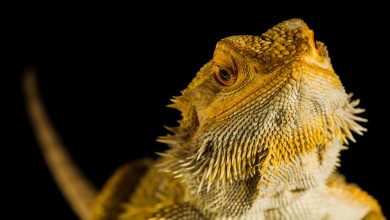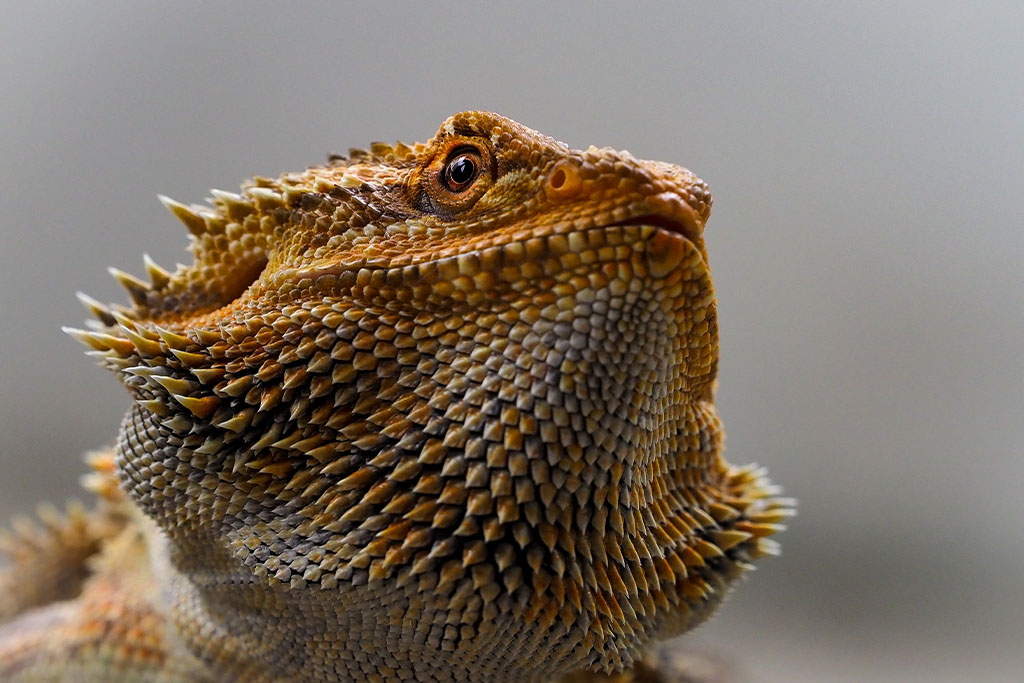
Bearded dragons, scientifically known as Pogona vitticeps, are one of the most popular pet reptiles worldwide. Their friendly nature, manageable size, and intriguing behaviours make them an appealing choice for reptile enthusiasts. However, providing the right environment for a bearded dragon is crucial for its health and well-being. One of the most critical aspects of this environment is lighting. This guide will explore the types of lighting necessary for bearded dragons, including the benefits of UVB lighting, heat sources, and best practices for maintaining an optimal habitat.
Importance of Lighting for Bearded Dragons
Lighting plays a vital role in the life of a bearded dragon. It influences several essential factors, including:
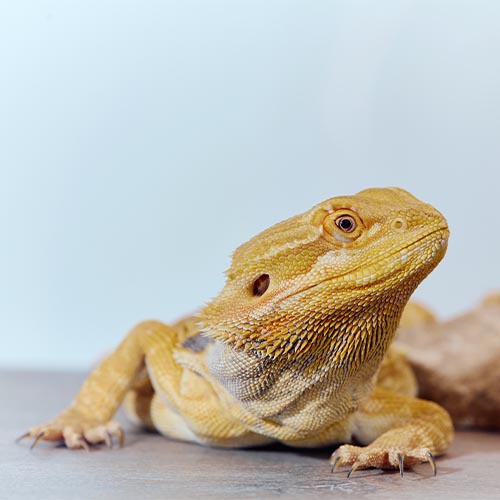
- Mental Well-being: Adequate lighting can enhance the overall well-being of bearded dragons. Natural light mimics their native environment, reducing stress and promoting natural behaviours.
- Vitamin D3 Synthesis: Bearded dragons require UVB light to synthesize vitamin D3, which is crucial for calcium absorption. Without adequate UVB exposure, they can develop metabolic bone disease (MBD), which leads to severe health issues.
- Regulating Behaviour: Proper lighting mimics natural daylight cycles, helping regulate your bearded dragon’s circadian rhythms. This regulation impacts their feeding habits, activity levels, and overall behaviour.
- Thermoregulation: Bearded dragons are ectothermic, meaning they rely on external sources to regulate their body temperature. Proper lighting creates a temperature gradient within the enclosure, allowing them to thermoregulate effectively.
Types of Lighting
When setting up a bearded dragon habitat, several types of lighting are essential to create a balanced environment. The two main categories of lighting are UVB lighting and heat sources.
UVB Lighting
Importance of UVB
UVB lighting is crucial for the health of bearded dragons. It helps them synthesise vitamin D3, which is necessary for calcium absorption. Without sufficient UVB exposure, bearded dragons may develop severe health issues, such as:
- Metabolic Bone Disease (MBD): This condition results from calcium deficiency and leads to weakened bones, deformities, and potentially fatal fractures.
- Immunosuppression: Inadequate UVB exposure can weaken the immune system, making bearded dragons more susceptible to infections.
Types of UVB Bulbs
When selecting UVB lighting, there are several types of bulbs available:
- Fluorescent Bulbs: These are the most common and can be found in a range of UVB outputs. They should be mounted within 12-18 inches of the basking area to ensure adequate UVB exposure. At least a 10% or 10.0 should be used but ideally 12 – 14% is more appropriate. Popular options include:
- Mercury Vapour Bulbs: These bulbs provide both UVB and heat. They are suitable for larger enclosures and create a strong basking area. However, they can be more expensive and may require more space due to their size.
- LED UVB Bulbs: A newer option, LED UVB bulbs are energy-efficient and can last longer than traditional bulbs. However, their effectiveness can vary, so it’s essential to research specific brands.
UVB Light Placement
- Place the UVB bulb on one side of the enclosure to create a gradient of UVB exposure.
- Ensure that the bearded dragon can move in and out of the UVB light. This setup allows them to regulate their exposure according to their needs.
- Replace UVB bulbs every 6-12 months, even if they appear to be working, as their UVB output diminishes over time.
Heat Sources
Importance of Heat
Bearded dragons require a basking area with a temperature range between 35°C and 40°C (95°F to 104°F) to thrive. Heat is essential for their digestion, activity, and overall health. A temperature gradient within the enclosure allows bearded dragons to move between warm and cooler areas to thermoregulate effectively.
Types of Heat Sources
There are several types of heat sources you can use to maintain the appropriate temperature in your bearded dragon’s habitat:
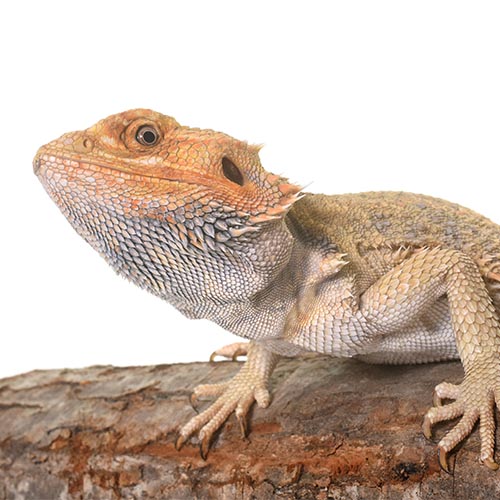
- Basking Bulbs: These are incandescent bulbs that provide direct heat. They should be placed over the basking area, creating a warm spot for the bearded dragon to soak up heat. Common basking bulb types include:
- Incandescent Bulbs: These bulbs are affordable and widely available. They emit a lot of heat and should be placed at the basking spot.
- Halogen Bulbs: These bulbs produce intense heat and can be very effective for creating a strong basking area. However, they can also increase the temperature quickly, so monitoring is essential.
- Ceramic Heat Emitters: These devices emit heat without light, making them suitable for nighttime use. They help maintain temperature at night when the basking light is turned off.
- Under-Tank Heaters / Heat Mats: These can be used to provide additional warmth, especially for juvenile bearded dragons. However, they should not be the primary heat source and should always be monitored for safety.
Maintaining Temperature
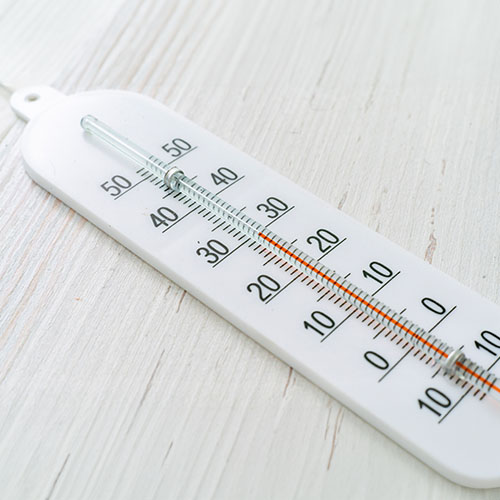
- Monitor temperatures using reliable thermometers, placing one at the basking area and another at the cooler end of the enclosure.
- Maintain a temperature gradient of 24°C to 28°C (75°F to 82°F) on the cooler side.
- Be aware of seasonal changes and adjust heating elements accordingly.
Setting Up the Enclosure
When setting up a bearded dragon habitat, the right lighting and heating arrangement is crucial. Here’s a step-by-step guide to creating an optimal environment:
- Choose the Right Enclosure: A minimum of a 4ft vivarium (30-gallon tank) is recommended for an adult bearded dragon. Ensure the enclosure has good ventilation and a secure lid.
- Install the UVB Lighting: Mount the UVB bulb on one side of the enclosure, ensuring it is within 12-18 inches of the basking area. Use a reflector to maximise UVB exposure.
- Set Up the Basking Area: Position the basking bulb above the basking area to create a hot spot. Ensure that the basking temperature is between 35°C and 40°C (95°F to 104°F).
- Create a Temperature Gradient: Use a digital thermometer to monitor the temperatures on both the warm and cool sides of the enclosure. Adjust the heat source as needed to maintain the gradient.
- Add Hides and Climbing Areas: Provide hides and climbing structures to allow your bearded dragon to feel secure and explore its environment.
- Monitor Lighting and Heating: Regularly check that the UVB and heat sources are functioning correctly. Replace bulbs as needed to ensure consistent lighting and heating.
Best Practices for Lighting and Heating
To ensure your bearded dragon thrives, consider the following best practices:
Use a Timer: Set up a timer for your lights to mimic natural daylight cycles. A schedule of 10-12 hours of light per day is ideal for bearded dragons.
Avoid Overheating: Regularly check the temperatures in the enclosure to avoid overheating, which can lead to heat stress or death.
Provide a Safe Environment: Ensure all lighting and heating elements are secure and positioned correctly to prevent burns or other injuries.
Watch for Signs of Stress or Illness: Monitor your bearded dragon for signs of stress or illness, such as lethargy, lack of appetite, or abnormal behaviours. Adjust lighting and heating as needed.
Educate Yourself: Stay informed about bearded dragon care by consulting reputable sources and joining online forums or local reptile clubs.
Proper lighting is essential for the health and well-being of bearded dragons. Understanding the types of lighting and heat sources available, as well as how to set them up effectively, is crucial for creating an optimal habitat. By following this guide, you can ensure your bearded dragon thrives in a healthy and stimulating environment.
References
VCA Animal Hospitals. (n.d.). Bearded Dragon Care.
Reptile Forums UK. (n.d.). Bearded Dragon Lighting Guide.
PetMD. (2020). Bearded Dragon Lighting Needs.
The Spruce Pets. (2021). Bearded Dragon Care: Lighting and Heating.
Reptiles Magazine. (2020). Understanding UVB for Reptiles.
Exotic Animal Care. (n.d.). Bearded Dragon Lighting & Heating Requirements.
CareSheet.co. (2021). Bearded Dragon Care.