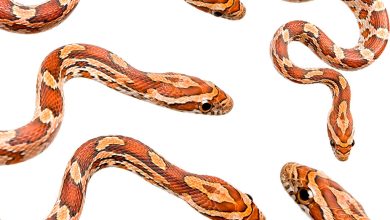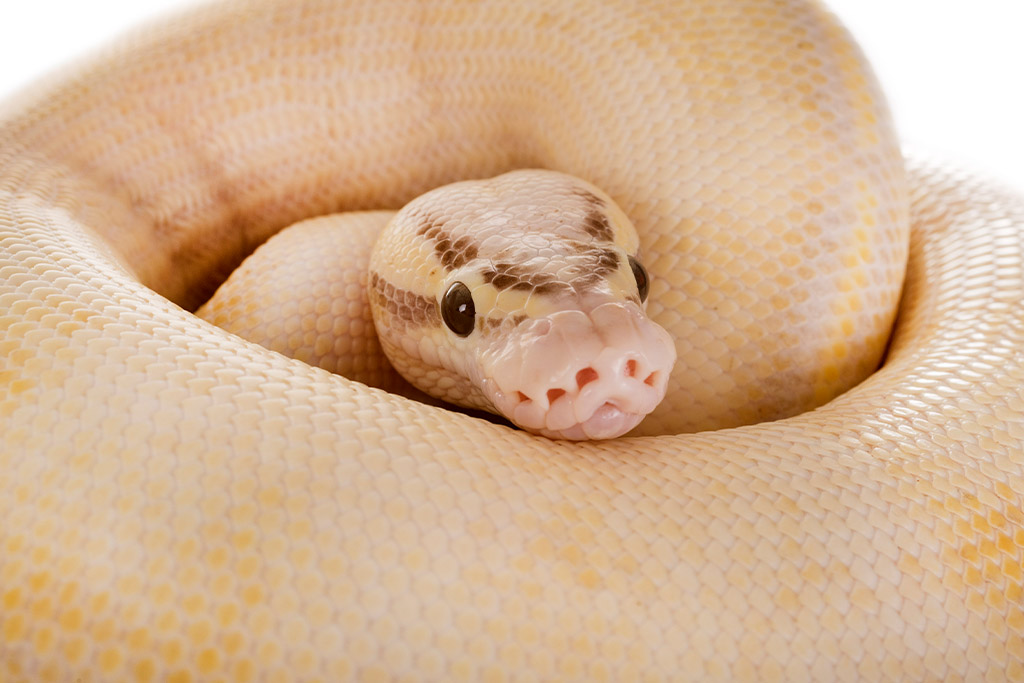
Choosing the right enclosure for your royal python is one of the most important decisions you’ll make as a reptile owner. Royal pythons (Python regius), also known as ball pythons in some countries, are popular pet snakes due to their relatively docile nature, manageable size, and captivating patterns. However, like any exotic pet, they require a carefully maintained environment to thrive. This guide will walk you through everything you need to know about selecting and setting up the ideal enclosure for your royal python, with a focus on size, materials, heating, humidity, and more.

Understanding Your Royal Python’s Natural Habitat
Before delving into specific enclosure choices, it’s essential to understand where royal pythons come from and how they live in the wild. Native to the savannahs and grasslands of West and Central Africa, these snakes spend much of their time hiding in burrows or under rocks, emerging at night or during cooler parts of the day to hunt. This preference for tight, dark spaces makes them natural burrowers and underscores their need for a secure, well-insulated enclosure in captivity.
Enclosure Size: Bigger Isn’t Always Better
One common misconception among new reptile owners is that larger enclosures are always better for their pet. However, royal pythons actually prefer smaller, enclosed spaces where they feel safe. While they may tolerate larger enclosures if provided with ample hiding spots, a too-spacious enclosure can cause unnecessary stress.
Juvenile Royal Pythons:
- Hatchlings and juveniles (up to about 18 months old) do well in smaller enclosures that mimic the close confines of their natural hiding spots.
- Approximately 24″ x 12″ x 16″ (20-gallon tank) or similar-sized terrarium is typically sufficient for a juvenile royal python.
Adult Royal Pythons:
- As they grow, they will require more space, but again, it’s important not to go overboard.
- For an adult royal python, an enclosure around 36″ x 18″ x 18″ (40 to 50 gallons) in size is generally recommended. This size provides enough room for the snake to move around without feeling too exposed.
Ensure the height of the enclosure isn’t excessive, as royal pythons are terrestrial snakes and do not need vertical space like arboreal species.
Enclosure Materials: Glass, Plastic, or Wood?
Choosing the right material for your royal python’s enclosure depends on your specific needs and budget. The most common enclosure types include glass, plastic, and wooden terrariums.
Glass Terrariums:
- Pros: Widely available, aesthetically pleasing, and easy to clean.
- Cons: They tend to lose heat more quickly than other materials, making them harder to maintain at consistent temperatures. Glass enclosures also lack privacy unless adequately covered, which could make your snake feel insecure.
Plastic Terrariums (PVC or ABS):
- Pros: Excellent at retaining heat and humidity, lightweight, and durable. Many plastic enclosures come with front-opening doors, which reduce stress during handling.
- Cons: They can be more expensive than glass terrariums and may not provide the same visual appeal.
Wooden Terrariums:
- Pros: Very effective at retaining heat and humidity, making them ideal for royal pythons. They are also customisable and can be built to specific sizes.
- Cons: Wood can absorb moisture and become prone to mould if not properly sealed. Additionally, wooden enclosures are heavier and may be more difficult to clean.
Heating: Maintaining the Ideal Temperature Gradient
Royal pythons are ectothermic, meaning they rely on their environment to regulate their body temperature. As such, maintaining a proper temperature gradient in the enclosure is crucial for their health.
Heat Sources:
- Heat mats are commonly used for royal pythons and should be placed under one side of the enclosure to create a warm basking spot. These work well because royal pythons primarily absorb heat through their bellies.
- Ceramic heat emitters (CHEs) are another option for providing heat without emitting light, ideal for maintaining a 24-hour heat cycle.
- Heat lamps can be used but should be avoided if they dry out the enclosure too much.
Temperature Ranges:
- The warm side of the enclosure should be kept at around 30-32°C (86-90°F), while the cooler side should be maintained at approximately 24-27°C (75-80°F).
- At night, the temperature should not drop below 21°C (70°F).
Thermostat:
- Always use a thermostat to regulate the heat source. This prevents the enclosure from becoming too hot, which could burn or stress your snake.
Humidity: Keeping It Balanced
Maintaining proper humidity levels is essential for your royal python’s shedding and respiratory health. As royal pythons come from tropical climates, they require a moderate level of humidity in their enclosure.
Ideal Humidity Levels:
- The enclosure’s humidity should be kept between 50% and 60%, but during shedding, it can be helpful to raise the humidity to around 70% to aid in the shedding process.
Ways to Maintain Humidity:
- Water bowls: A large, shallow water dish can help maintain humidity levels, and your royal python will also use it for soaking.
- Substrate: Choosing the right substrate (more on that below) can help retain moisture. Cypress mulch (Reptile Forest Floor substrate) and coconut husk are excellent for holding humidity.
- Misting: Lightly misting the enclosure a few times a day can boost humidity, but be careful not to overdo it as this could lead to excess moisture, promoting mould and bacteria.
Substrate: What’s the Best Bedding for Royal Pythons?
The substrate, or bedding, you choose for your royal python’s enclosure plays a significant role in maintaining humidity, cleanliness, and overall comfort. There are several types of substrate suitable for royal pythons, each with its pros and cons.
Best Substrates for Royal Pythons:
Reptile Carpet: While easy to clean and reusable, reptile carpet doesn’t retain humidity and needs frequent washing to avoid bacteria buildup.
Cypress Mulch: One of the best choices for royal pythons due to its excellent moisture retention properties and natural appearance.
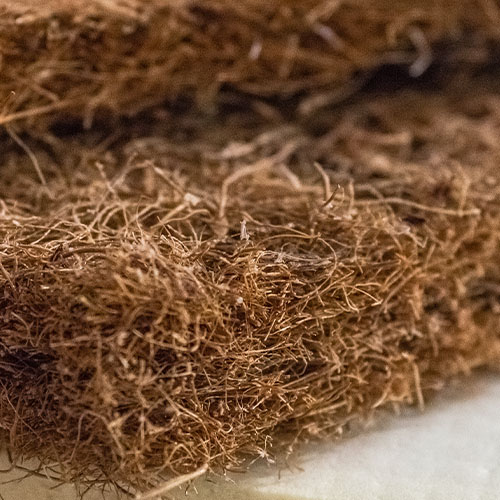
Coconut Husk: Also known as coir, this substrate is great for retaining humidity and is eco-friendly.
Aspen Bedding: A popular choice among snake owners. Aspen is affordable, holds its shape well, and is relatively easy to clean. However, it doesn’t hold humidity as well as other substrates.
Substrates to Avoid:
- Sand: This can cause impaction if ingested and doesn’t retain moisture well.
- Pine or Cedar Shavings: These should never be used for royal pythons as they release harmful oils that can lead to respiratory issues.
Hides: Creating a Safe and Secure Space
Royal pythons are shy, nocturnal creatures that feel most secure when they have a tight, enclosed space to retreat to. Providing at least two hides in the enclosure—one on the warm side and one on the cooler side—will allow your snake to regulate its temperature while feeling safe.
Hide Guidelines:
- The hides should be snug, just large enough for the snake to curl up in and feel secure. A hide that is too large might leave your royal python feeling exposed and stressed.
- Commercial hides are widely available, or you can make your own using materials like upturned flower pots or small plastic boxes with entrances cut out.
Water: Ensuring Proper Hydration
Royal pythons, like all reptiles, need access to fresh water at all times. The water bowl should be large enough for the snake to soak in if desired, but not so large that it raises the humidity too much. Be sure to clean and refill the water bowl regularly to prevent bacteria build up.
Lighting: Do Royal Pythons Need UVB?
Unlike some reptiles, royal pythons do not require UVB lighting, as they are primarily nocturnal and can synthesise vitamin D from their diet but it is possible they will gain some benefits. However, a regular day-night cycle is still important. Simply keeping the enclosure in a room with natural light will suffice, or you can use a low-wattage light (UVB or otherwise) to mimic natural daylight.
Cleaning and Maintenance
Keeping the enclosure clean is critical for your royal python’s health. Spot clean daily by removing waste and uneaten food, and deep clean the enclosure and accessories at least once a month.
Cleaning Tips:
Use a reptile-safe disinfectant to clean the enclosure itself.
Remove and thoroughly clean the water dish, hides, and any other decor items.
Replace the substrate entirely during deep cleaning.
Choosing the right enclosure for your royal (ball) python is essential to keeping your snake healthy and happy. From selecting the appropriate size and material for the terrarium to ensuring proper heating, humidity, and substrate, there are many factors to consider. By replicating your snake’s natural environment and maintaining a consistent routine of care and cleaning, you’ll be providing the best possible home for your royal python to thrive.
References
Bartick, J. (2020). Ball Pythons: Complete Owner’s Guide. Reptile Publishing.
Vincent, R. (2019). “Enclosure Choices for Ball Pythons” in Exotic Pet Care Journal, 15(2), pp. 34-42.
Roberts, A. & Green, L. (2021). Reptile Habitat: A Guide to Creating Perfect Homes for Snakes and Lizards. HerpBooks.
British Herpetological Society. (2018). “Ball Python Care: Heating, Humidity, and Enclosure Setup”.