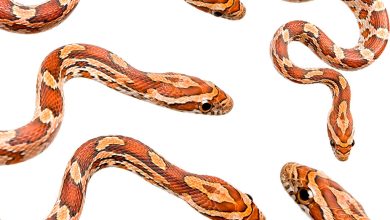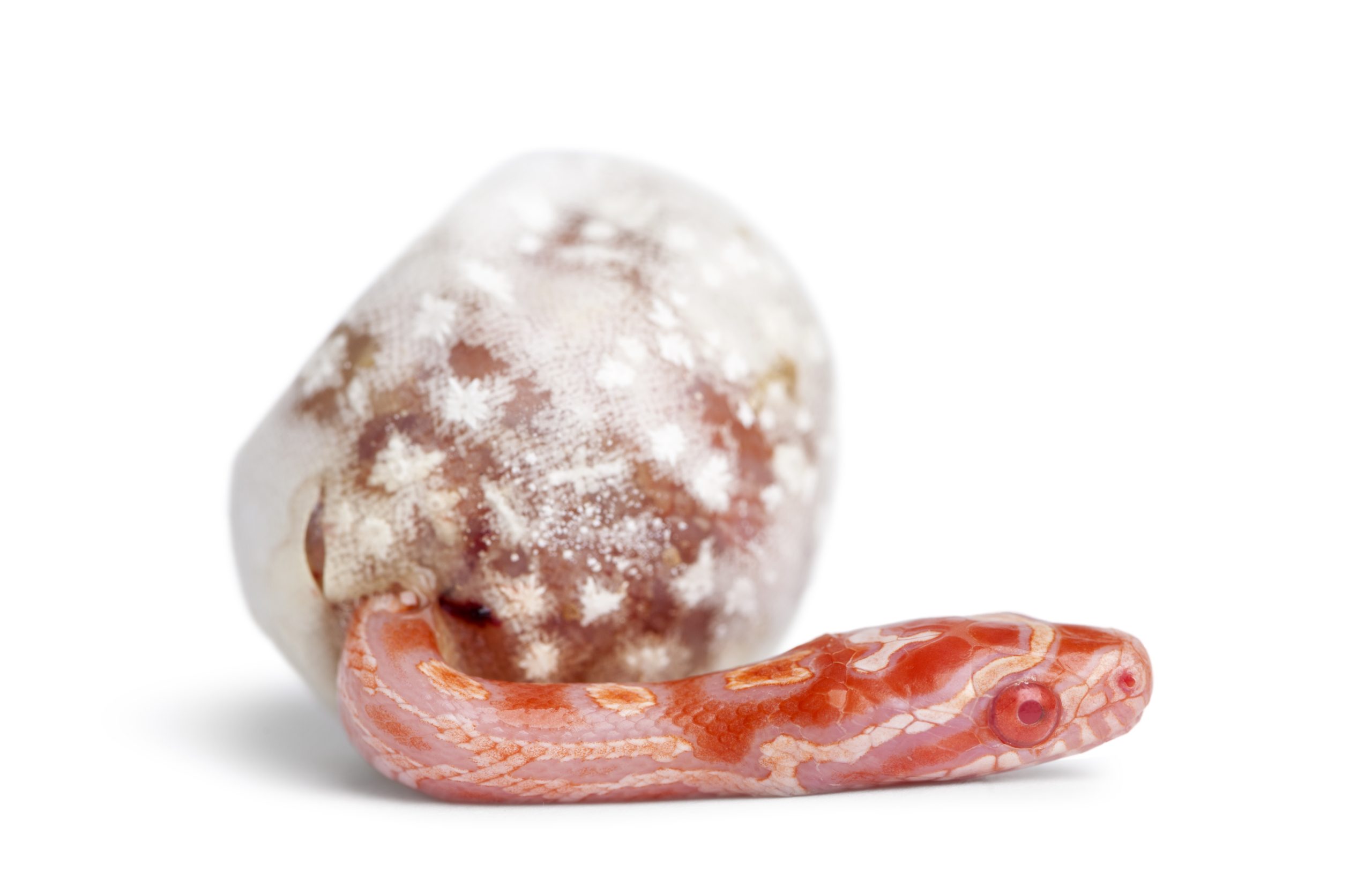
Corn snakes (Pantherophis guttatus) are one of the most popular choices for reptile enthusiasts, particularly beginners. Their vibrant colours, docile temperament, and relatively easy care make them appealing pets. However, proper feeding is crucial for their growth and well-being. In this article, we will explore how to feed your baby corn snake, including its dietary needs, feeding frequency, and tips for ensuring a successful feeding experience.
Understanding Your Corn Snake’s Diet
1. What Do Corn Snakes Eat?

Corn snakes are obligate carnivores, meaning their diet consists exclusively of animal protein. In the wild, they primarily feed on small mammals, birds, smaller reptiles and amphibians. As pets, corn snakes should be fed appropriately sized prey that matches their size and developmental stage.
- Mice: Pinky mice (newborn mice), fuzzies (slightly older mice), and hoppers (young mice) are the most common prey for baby corn snakes. Moving up in stages to large mice when they are an adult. The size of the mouse should be approximately 1.5 times the diameter of your snake’s body at its widest point.
- Frogs: Some owners also feed their corn snakes small frogs, although this is less common than feeding mice.
- Chicks or Quail: More common in the UK than frogs. Chicks should be restricted due to the high fat content.
- Other Prey: In some cases, other small rodents such as weaner rats may be used, but mice are the preferred choice due to their availability and nutritional value.
2. Nutritional Needs
The nutritional requirements of a corn snake will change as they grow. Baby corn snakes need a diet high in protein to support their rapid growth. Here are some key nutrients to consider:
- Protein: Essential for growth, muscle development, and overall health. Mice provide a good source of protein.
- Fats: Important for energy. Young snakes require a moderate amount of fat, which is typically found in their prey.
- Vitamins and Minerals: Corn snakes require a balanced diet that provides essential vitamins and minerals. Prey animals generally contain sufficient nutrients, but dusting prey with a reptile vitamin and calcium supplement can be beneficial.

3. Water
While corn snakes obtain moisture from their food, it’s essential to provide a shallow dish of clean, fresh water at all times. This allows your snake to hydrate whenever needed. Change the water daily to prevent contamination and ensure the health of your snake.
Feeding Frequency
1. Age and Size Considerations
The feeding frequency for a baby corn snake will depend on its age and size. Here’s a general guideline:
- Hatchlings (0-3 months): Feed every 5-7 days. Young corn snakes are growing rapidly and require more frequent meals.
- Juveniles (3-6 months): Feed every 7-10 days. As they grow, their metabolism will slow slightly, requiring less frequent feedings.
- Sub-adults (6-12 months): Feed every 10-14 days. At this stage, they are nearing maturity, and their feeding frequency will further decrease.
2. Signs of Hunger
Recognising when your baby corn snake is hungry can help you maintain a proper feeding schedule. Common signs of hunger include:
- Increased Activity: Your snake may become more active and explore its enclosure, especially at dusk or dawn when it’s naturally more active.
- Striking Behaviour: If your snake strikes at movements near its enclosure, it may be indicating hunger.
- Weight Loss: Regularly monitor your snake’s weight. A noticeable drop may suggest it needs feeding.
Preparing for Feeding
1. Prey Selection
When feeding your corn snake, always choose prey that is appropriate in size. A rule of thumb is to select prey that is about 1.5 times the width of your snake’s body. Prey should be sourced from reputable suppliers to ensure safety and nutritional quality.
2. Thawing Frozen Prey
In the UK pet owners feed their corn snakes frozen-thawed mice. To thaw frozen prey:
- Remove the prey from the freezer and place it in a sealed plastic bag.
- Submerge the bag in warm water for 20-30 minutes until thawed.
- Never use a microwave to thaw prey, as it can cause hot spots and harm the mouse nutritionally.
3. Feeding Tools
Using feeding tongs or forceps can help you safely offer the prey to your snake. This allows you to maintain a safe distance while still ensuring your snake engages in a natural feeding response.
The Feeding Process
1. Creating the Right Environment
Before feeding, ensure your snake’s enclosure is quiet and undisturbed. Turn off any loud equipment, and consider dimming the lights to simulate a more natural hunting environment.
2. Offering the Prey
- Positioning: Using tongs, hold the thawed prey by the tail and dangle it in front of the snake, mimicking the movement of live prey.
- Movement: Gentle movements can stimulate the snake’s instinct to strike. Be patient; it may take some time for your snake to react.
3. Monitoring the Feeding
Once the snake has struck and is swallowing the prey, avoid disturbing it. Corn snakes swallow their food whole, which can take some time. It’s essential not to intervene, as this can stress the snake or lead to regurgitation.
Post-Feeding Care
1. Digestive Rest
After a feeding, it’s vital to allow your corn snake a period of rest to digest its meal. Avoid handling your snake for at least 24-48 hours after feeding. This helps prevent stress and allows for proper digestion.
2. Monitoring Health
Keep an eye on your snake’s health post-feeding. Signs of regurgitation, lethargy, or refusal to eat may indicate health issues. If any concerning symptoms arise, consult a veterinarian experienced in reptile care.
Common Feeding Challenges
1. Refusal to Eat
It’s not uncommon for baby corn snakes to refuse food, especially if they are stressed or newly acquired. Here are some tips to address this issue:
- Reduce Stress: Ensure the snake feels secure in its environment. Hiding spots and a proper temperature gradient can help.
- Change Feeding Time: Try feeding at different times of the day. Some snakes may prefer to eat in the evening or early morning.
- Experiment with Prey: If your snake refuses one type of prey, try offering a different size or type, such as a different stage of mice.
2. Regurgitation
If your snake regurgitates its meal, it can be concerning. Common causes include:
- Stress: Handling too soon after eating can lead to regurgitation.
- Overfeeding: Feeding prey that is too large can cause digestive issues.
- Temperature: If the enclosure is too cold, it may affect digestion. Ensure that the temperature gradient is appropriate for your snake.
3. Impaction
While less common, impaction can occur if a snake eats substrate or other non-food items. Always provide appropriate substrates and ensure your snake isn’t ingesting anything harmful.
Feeding your baby corn snake is a vital aspect of responsible care. By understanding their dietary needs, feeding frequency, and monitoring their health, you can ensure your snake grows into a healthy adult. Remember to provide fresh water, a suitable environment, and an appropriate diet. If you encounter any challenges, don’t hesitate to reach out to a veterinarian or an experienced reptile keeper for advice.
References
Graham, T. (2019). The Complete Guide to Corn Snakes: Breeding, Care, and Habitat. Reptile Publishing. reptilepublishing.com.
Pritchett, C. (2021). Understanding Snake Feeding: A Comprehensive Guide for New Owners. Animal Care Press. animalcarepress.com.
Smith, J. (2020). Pet Snake Handbook: Feeding and Care for Corn Snakes. Snake Care Publications. snakecarepublications.com.
Kuhns, A. (2018). Corn Snake Care: The Essentials for a Healthy Pet. Reptilian Care Books. reptiliancarebooks.com.
National Geographic. (2022). “Corn Snake Facts.” nationalgeographic.com.
Reptile Magazine. (2023). “Feeding Corn Snakes: Tips and Tricks.” reptilemagazine.com.
The Spruce Pets. (2021). “Corn Snake Care Guide.” thesprucepets.com.
Corn Snake Care Sheet. (n.d.). RSPCA Australia. rspca.org.au.