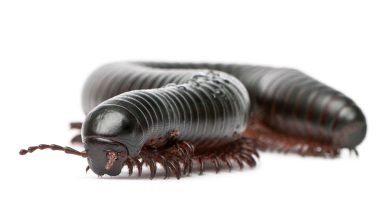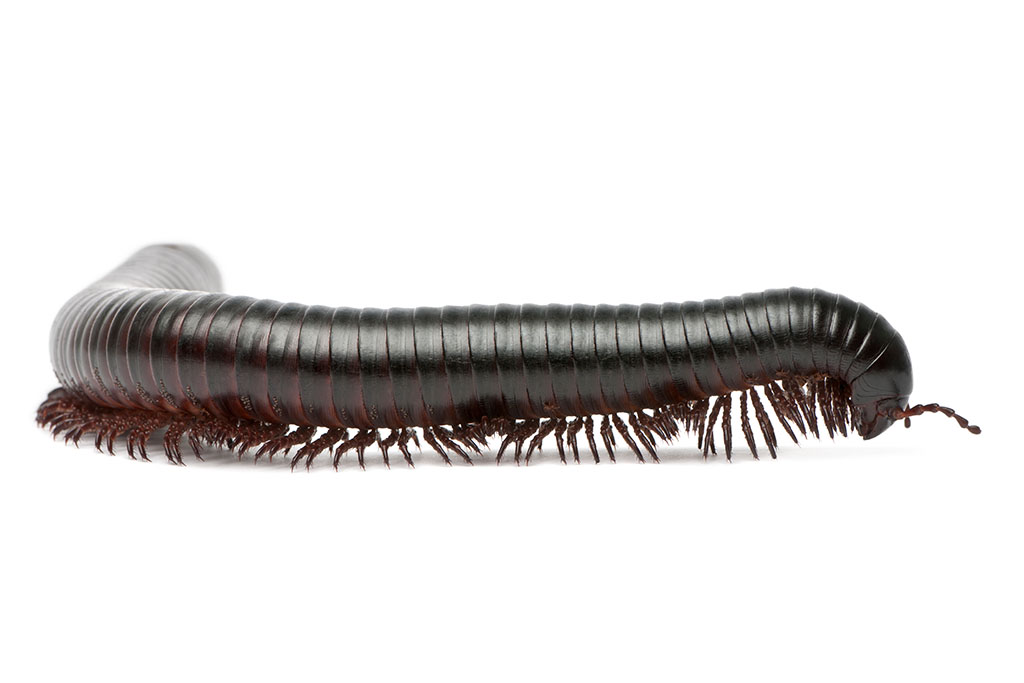
The Giant African Millipede (Archispirostreptus gigas), among the largest of its kind, has long fascinated people due to its impressive size and unique biology. Native to tropical and subtropical regions of Africa, these invertebrates have become a subject of interest not only for researchers but also for pet enthusiasts worldwide. In this article, we will trace the history of the Giant African Millipede, discussing its evolution, cultural significance, and role in scientific research, while also shedding light on its ecological importance.
Evolutionary Background
Ancient Millipedes and Their Evolution
Millipedes are among the oldest known terrestrial animals, with their lineage tracing back over 400 million years to the late Silurian period. Early millipedes were some of the first creatures to venture from the sea onto land, playing a crucial role in shaping Earth’s ecosystems. Fossil records show that some prehistoric millipedes, such as Arthropleura, a relative of modern millipedes, grew to lengths of up to 2.5 meters (8 feet), much larger than today’s species.
Giant African Millipedes, belonging to the family Spirostreptidae, evolved much later, likely around 200 million years ago, during the Jurassic period. While they are considerably smaller than their ancient ancestors, modern millipedes like Archispirostreptus gigas exhibit several key evolutionary adaptations, including robust exoskeletons and a segmented body structure, which allow them to thrive in their ecological niche.
Anatomical and Physiological Features
The Giant African Millipede typically grows up to 33 cm (13 inches) in length, with some individuals reaching 38 cm (15 inches). Their cylindrical bodies consist of 30 to 40 segments, each with two pairs of legs, earning them the name “millipede,” which means “thousand feet” in Latin. However, most species have far fewer legs than that.
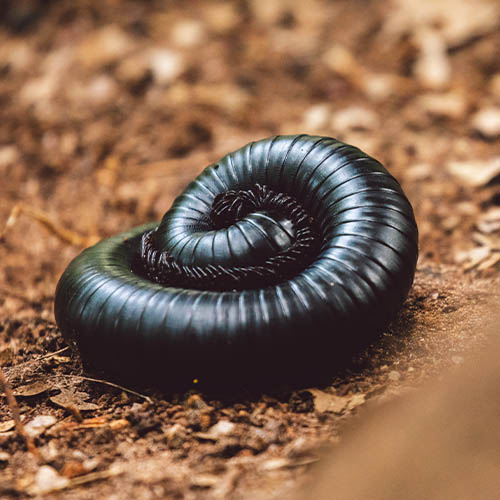
One of the key adaptations of millipedes is their ability to coil up defensively when threatened. Their hard exoskeleton serves as a protective barrier, while their slow-moving, detritivorous lifestyle has allowed them to flourish in various ecosystems, from dense rainforests to semi-arid regions.
The Ecology and Natural Habitat of Giant African Millipedes
Geographical Distribution
The natural habitat of the Giant African Millipede is mainly in tropical and subtropical forests of East Africa, including countries like Kenya, Tanzania, Mozambique, and Malawi. However, they can also be found in the forests of West Africa, stretching from Nigeria to the Congo Basin. These regions provide the humid, warm environments that millipedes need to thrive.
Role in the Ecosystem
Giant African Millipedes are detritivores, meaning they feed on decaying organic matter such as dead leaves, wood, and plant material. Their diet makes them vital contributors to their ecosystem as decomposers. By consuming decaying matter, they help recycle nutrients back into the soil, promoting healthy plant growth and maintaining ecological balance. Additionally, their burrowing habits help aerate the soil, which benefits plant roots and contributes to the overall health of the ecosystem.
Predators of the Giant African Millipede include birds, small mammals, reptiles, and some large invertebrates. To deter predators, they can secrete a mild toxin from specialized glands in their body, though this secretion is generally harmless to humans.
Cultural and Historical Significance
Millipedes in African Culture
Throughout history, various African cultures have acknowledged the presence of Giant African Millipedes in their environment, though millipedes have generally not played as prominent a role in folklore or myth as other animals like lions or elephants. In some regions, they have been considered symbols of fertility or transformation due to their life cycle and burrowing nature.
In traditional medicine, some African tribes have utilized millipedes for their perceived medicinal properties. Certain cultures would dry and crush millipedes to make powders believed to treat a variety of ailments, although these practices have been largely abandoned with the rise of modern medicine.
Western Encounters with Millipedes
The first scientific descriptions of Giant African Millipedes likely date back to European expeditions into Africa in the 19th century. Early explorers and naturalists were intrigued by the size and appearance of these creatures, and they were often collected as specimens for zoological studies. As European colonization expanded, so too did the importation of exotic animals, and millipedes began appearing in museums and scientific collections.
By the early 20th century, the study of invertebrates had gained traction, and millipedes were increasingly studied for their unique physiology and role in ecosystems. In particular, their simple body structure made them attractive models for understanding the evolution of arthropods and the development of segmented body plans.
Scientific Research and Pet Trade
Research Significance
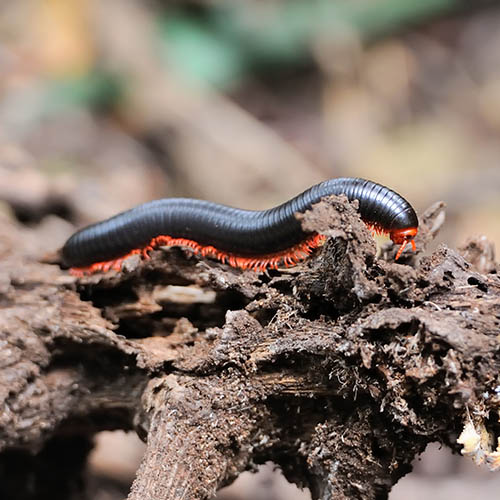
In the modern era, Giant African Millipedes have become subjects of scientific research, particularly in the fields of entomology, ecology, and zoology. Their ability to digest decaying plant matter and their interactions with other organisms make them important study subjects in understanding decomposition processes and nutrient cycling.
Millipedes have also contributed to studies on arthropod development, particularly with regard to how their segmented body plan evolved. Their relatively simple nervous system and locomotive patterns have been studied to gain insights into how movement and coordination evolved in arthropods.
Pet Trade and Conservation
In recent decades, Giant African Millipedes have become popular pets, particularly in Europe and North America. Their docile nature and low-maintenance requirements have made them appealing to hobbyists and exotic pet enthusiasts. However, this rise in popularity has also raised concerns about over-harvesting from the wild, which could threaten natural populations.
Fortunately, Giant African Millipedes are not currently listed as endangered, though their habitats in African forests face threats from deforestation and habitat destruction. Conservation efforts are necessary to ensure the long-term survival of millipedes and other forest-dwelling species.
Conservation and Environmental Challenges
Threats to Habitat
The biggest threat to the survival of Giant African Millipedes is habitat destruction. Rapid deforestation for agriculture, logging, and human settlement is shrinking the forests that these creatures call home. In particular, the tropical forests of East Africa, where these millipedes are most prevalent, are under pressure from expanding agricultural activities.
Climate change also poses a long-term threat to their habitats. Shifts in temperature and rainfall patterns could alter the conditions necessary for millipedes to thrive, potentially pushing them out of their natural ranges.
Conservation Efforts
While Giant African Millipedes are not currently endangered, some organizations and conservationists have raised awareness about the need to protect their habitats. Efforts to preserve African tropical forests indirectly benefit millipedes by ensuring that the ecosystems in which they live remain intact. Sustainable agriculture and responsible logging practices are crucial in this regard.
In the pet trade, breeding programs for Giant African Millipedes have been developed to reduce the need for wild-caught specimens. Captive breeding efforts can help alleviate pressure on wild populations, ensuring that these fascinating creatures can continue to be enjoyed by enthusiasts without harming their natural habitats.
The Future of Giant African Millipedes
Continued Scientific Interest
As research into invertebrates continues to expand, the Giant African Millipede remains an important subject of study. Its relatively simple anatomy and physiology, combined with its ecological role, make it a valuable species for understanding broader ecological processes. Future research may uncover new insights into the role of millipedes in nutrient cycling, soil health, and even their interactions with other species within their ecosystems.
Pet Ownership and Ethical Considerations
For those interested in keeping Giant African Millipedes as pets, it is important to ensure that they are sourced from ethical breeders and that their care meets their specific needs. These millipedes require a humid environment, appropriate food sources (decaying leaves, fruits, and vegetables), and a substrate that allows them to burrow.
It is also essential for pet owners to be aware of the potential environmental impacts of keeping exotic animals. Proper care and breeding programs can help minimize the risk of introducing non-native species to areas where they may become invasive.
The Giant African Millipede, with its long evolutionary history and ecological importance, continues to captivate scientists and pet enthusiasts alike. From its ancient origins to its modern role in ecosystems, this millipede serves as a reminder of the intricate balance of life on Earth. As we look to the future, it is crucial to protect their natural habitats and continue studying these remarkable invertebrates to understand more about their place in the world.
References
Cloud, J.G. (2003). Millipedes and Their Relatives: Diversity and Ecology in a Changing World. University of Chicago Press.
Hoffman, R.L. (1980). “The Evolution of Millipedes.” Journal of Arthropod Biology, 12(3), pp. 25–30.
O’Connor, P.M. (2017). Invertebrates of Africa: Biology and Ecology. Oxford University Press.
Sierwald, P. & Bond, J.E. (2007). “Current Research on Millipede Systematics.” Annual Review of Entomology, 52, pp. 401–420.
Wilson, E.O. (1992). The Diversity of Life. Harvard University Press.