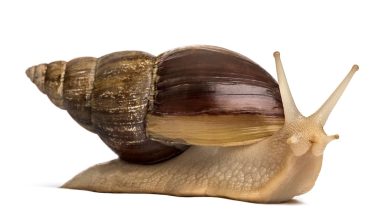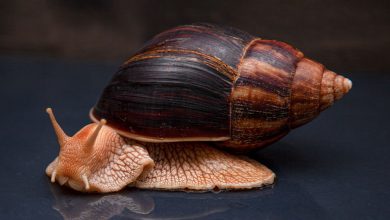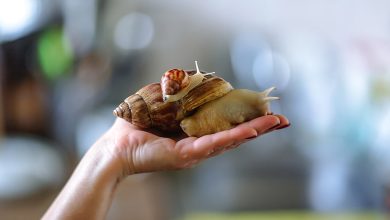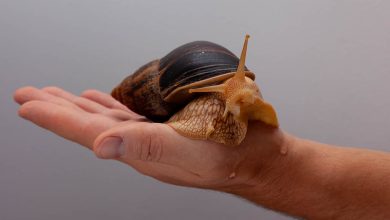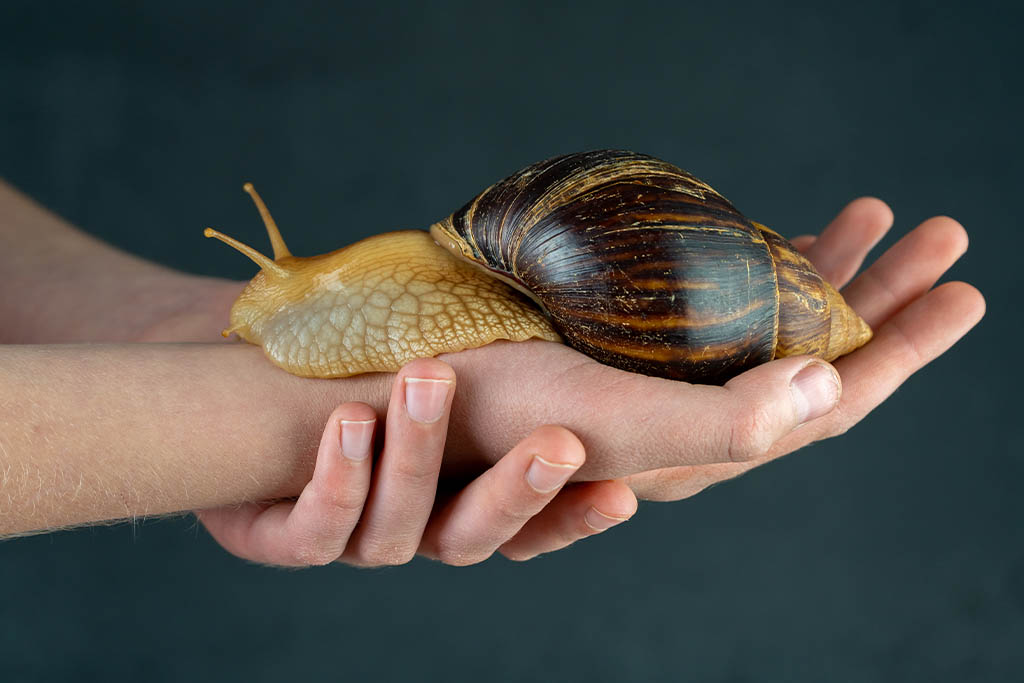
Giant African Land Snails (GALS), primarily from the Achatina and Archachatina species, are fascinating creatures with a growing popularity as pets. Their large size, curious nature, and relatively low maintenance make them attractive to beginners. However, they do require a specific environment and diet to thrive. This guide will walk you through the essentials of keeping these molluscs as pets, from habitat setup to feeding and health care.
Introduction to Giant African Land Snails
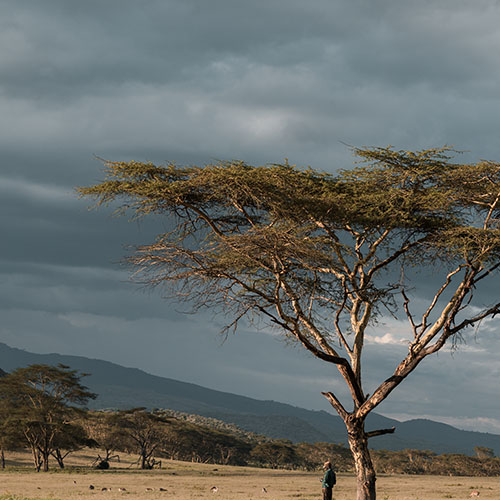
Giant African Land Snails are native to sub-Saharan Africa but have spread to other tropical and subtropical regions. They are considered one of the largest species of snails, with some growing up to 30 cm (12 inches) in length. GALS are known for their distinctive, spiral-shaped shells, often with a brown or yellowish hue and intricate patterns.
Due to their rapid reproduction and ability to adapt to various environments, they have become invasive in certain regions. In some countries, especially the United States, keeping GALS as pets is illegal without specific permits because of their potential to damage ecosystems.
Legal Considerations
Before deciding to keep GALS, it’s important to check your snails or their eggs won’t escape into the wild. Some countries and states ban the import, breeding, or ownership of these snails due to their invasive nature. The snails can reproduce quickly, laying hundreds of eggs in one clutch, and can destroy crops and vegetation if released into the wild. In the UK you it is legal to keep and breed GALS, but if populations manage to survive in the wild then that could change.
A single snail can lay around 200 eggs at a time, and they can breed multiple times in a year. Therefore, responsible ownership is crucial to prevent them from becoming a local invasive species.
Housing and Environment
a. Tank Setup
To ensure the comfort and health of GALS, their tank setup is critical. The following are essential factors to consider:
- Tank Size: A large, well-ventilated terrarium is ideal. For one or two snails, a tank size of around 20-40 litres (5-10 gallons) is adequate, but larger tanks are better to accommodate their size and activity. As these snails grow quite large, the more space you can offer, the better.
- Substrate: GALS love to burrow, so a substrate that mimics their natural environment is essential. Coir (coconut fibre), compost, or peat moss works well. The substrate should be kept moist but not waterlogged, as they need a humid environment. Around 5-10 cm (2-4 inches) of substrate depth is recommended to allow them to burrow comfortably.
- Temperature and Humidity: These snails thrive in warm, humid environments, similar to the tropical climates of their origin. The ideal temperature is between 20°C and 30°C (68°F to 86°F), and the humidity should be around 70-90%. Using a heat mat on one side of the tank can help maintain the correct temperature, and spraying the tank with water daily can help keep the humidity levels up.
- Tank Covering: Since GALS can climb walls, it’s essential to have a secure, well-ventilated lid on the tank to prevent escape while ensuring proper airflow.
b. Decorations and Enrichment
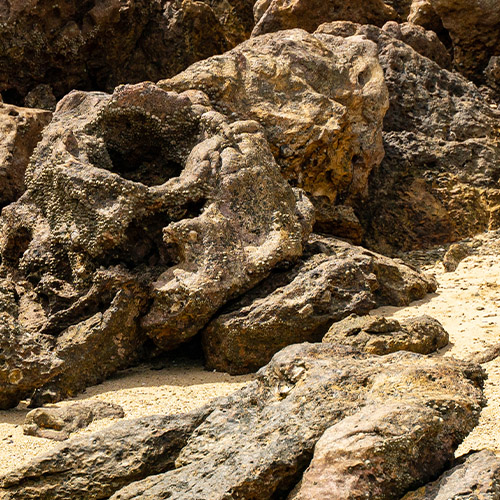
While snails are relatively simple creatures, they benefit from some enrichment in their environment. Placing pieces of bark, rocks, or small logs in the tank provides climbing opportunities, and they enjoy hiding under objects. However, avoid sharp or rough objects that may damage their delicate bodies or shells.
Diet and Feeding
GALS are herbivores, and their diet in captivity should mimic what they would consume in the wild. A varied, balanced diet is essential to maintain their health and promote shell growth.
a. What to Feed Your Snail
- Vegetables: Leafy greens, such as kale, spinach, and lettuce, are a staple for these snails. Other vegetables, such as cucumbers, zucchini, carrots, and bell peppers, can also be offered. All vegetables should be fresh and thoroughly washed to remove pesticides or chemicals.
- Fruits: GALS enjoy fruits such as apples, bananas, melons, and strawberries. However, fruit should be given in moderation due to its high sugar content.
- Calcium Sources: Calcium is crucial for the development and maintenance of the snail’s shell. A lack of calcium can lead to shell deformities or breakage. Provide a constant source of calcium by placing a cuttlebone or crushed eggshells in the tank. You can also sprinkle calcium powder over their food occasionally.
b. What to Avoid
Certain foods should be avoided as they can be harmful to GALS:
- Salt: Snails are extremely sensitive to salt, which can dehydrate and kill them. Ensure that no food items are salted or seasoned.
- Processed Foods: Avoid feeding them processed human foods like bread, pasta, or sugary treats.
- Citrus: Fruits such as oranges, lemons, and limes are too acidic and can harm the snail’s digestive system.
Handling and Interaction
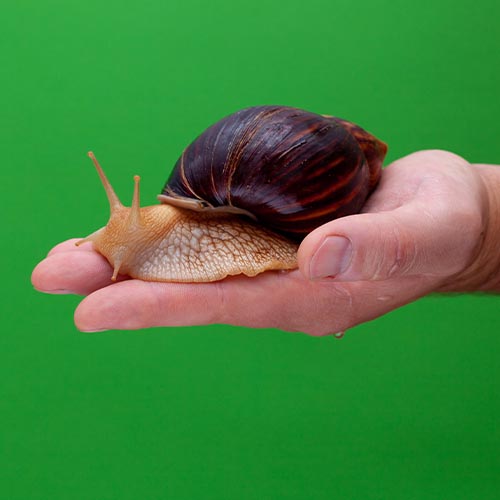
While GALS are generally easy-going, they are delicate and should be handled with care. Their shells, although hard, can break if dropped or handled roughly.
a. How to Handle
- Moisten Your Hands: Always wet your hands before handling a snail, as their bodies are sensitive and can dry out easily.
- Gentle Grip: When picking up your snail, use a gentle grip to avoid damaging the shell. Hold them from the base of their body and avoid tugging them off surfaces, as this can cause injury.
- Minimising Stress: Avoid excessive handling, as it can stress the snail. While they are generally calm and slow-moving, too much interaction may disrupt their natural behaviour.
b. Signs of Stress
GALS will retract into their shells if they are stressed or feel threatened. They may also produce a mucus secretion. If your snail seems sluggish or is retreating into its shell frequently, this could be a sign of environmental stress (such as incorrect humidity or temperature), or they may be unwell.
Common Health Issues
Although GALS are relatively hardy, they are susceptible to certain health problems, often related to improper care.
a. Dehydration
Snails need a humid environment to survive. If the tank’s humidity is too low, they can become dehydrated, leading to lethargy, retraction into the shell, or even death. Ensure that the tank is sprayed with water daily and that the humidity levels are kept high.
b. Shell Damage
Shells can become cracked or chipped if the snail falls or is handled roughly. In most cases, minor damage will heal on its own, but more severe cracks may require intervention. Ensure the snail’s environment is free of sharp or rough objects and provide plenty of calcium for shell maintenance.
c. Mites and Parasites
GALS are prone to mites, which are small pests that can infest the snail’s tank. These mites can cause irritation and discomfort for the snail. If you notice small, white dots moving on your snail or the tank’s surface, you may have a mite infestation. Regular cleaning of the tank and substrate can help prevent mites from becoming a problem.
Breeding and Reproduction
GALS are hermaphrodites, meaning they have both male and female reproductive organs. This allows them to reproduce quickly and in large numbers. While GALS can reproduce alone, they usually prefer to mate with another snail. After mating, both snails will lay eggs, which can hatch after two weeks to several months, depending on temperature and humidity.
a. Managing Reproduction
As a beginner, it’s advisable to limit breeding unless you are prepared to care for many snails. You can prevent overpopulation by regularly checking the substrate for eggs and removing them. Some owners choose to freeze the eggs to prevent hatching, while others may dispose of them more humanely.
Cleaning and Maintenance
A clean environment is crucial to prevent the build-up of harmful bacteria or pests in the snail’s habitat. Here’s how you can keep their tank in optimal condition:
- Spot Cleaning: Remove uneaten food daily to avoid mould growth. Also, remove any faeces or debris that may accumulate.
- Substrate Replacement: Change the substrate entirely every 4-6 weeks, or sooner if it becomes too soiled or starts to smell.
- Tank Cleaning: Clean the tank with warm water and a soft cloth. Avoid using harsh chemicals or soaps, as snails are highly sensitive to chemicals. If needed, a diluted vinegar solution can be used to clean the tank.
Lifespan and Long-Term Care
With proper care, GALS can live for up to 5-10 years. Some species have even been known to live longer in optimal conditions. Caring for these snails is a long-term commitment, so be prepared for their care over several years.
Giant African Land Snails are remarkable pets for those looking for a low-maintenance but unique addition to their home. While they don’t require as much attention as more traditional pets, like dogs or cats, they do have specific needs that must be met to ensure a healthy, happy life. Proper tank setup, a balanced diet, and regular cleaning are the keys to success with GALS. With a little effort, these gentle giants can bring years of fascination and enjoyment to their owners.
References
Smith, M. (2007). Giant African Land Snails: A Comprehensive Guide to Care, Breeding, and Ecology. Pet Lovers Press.
Barker, G. M. (2001). Gastropods on Land: Phylogeny, Diversity and Adaptive Morphology. CRC Press.
Herbert, D. G., & Kilburn, R. N. (2004). Field Guide to the Land Snails and Slugs of Eastern South Africa. Natal Museum.
Mead, A. R. (1961). The Giant African Snail: A Problem in Economic Malacology. University of Chicago Press.
Rees, W. J. (1965). The Giant African Land Snail and the Threat of Invasion. Journal of Molluscan Studies.