The Tokay Gecko (Gekko gecko) is one of the most popular and fascinating reptile species for enthusiasts, thanks to its striking appearance, engaging behaviours, and hardy nature. These brightly coloured lizards originate from Southeast Asia but are now found in households and ecosystems worldwide. However, despite their beauty, Tokay Geckos have a reputation for being somewhat aggressive, which can make them a challenging pet for beginners.
This guide will provide an overview of the essential aspects of caring for Tokay Geckos, from their natural habitat to proper care in captivity. We’ll cover housing, diet, handling, health concerns, and general maintenance, ensuring that you’ll have all the necessary information to keep your gecko healthy and happy.
Overview of the Tokay Gecko
Origin and Habitat
Tokay Geckos are native to Southeast Asia, including countries like Thailand, Malaysia, Indonesia, the Philippines, and Vietnam. They are also found in parts of India and the Pacific Islands. In the wild, Tokay Geckos typically reside in tropical rainforests and other humid environments, often clinging to tree trunks or hiding within the crevices of rocks and bark. They are nocturnal creatures, becoming active at night to hunt for prey.

Appearance
Tokay Geckos are known for their vibrant coloration, usually a bluish-grey base covered with bright orange or red spots. They can grow to impressive sizes for a gecko, reaching up to 12-15 inches (30-38 cm) in length, with males generally being larger than females. Their large, expressive eyes and adhesive toe pads make them adept climbers and well-suited for life in trees or vertical surfaces.
Behaviour
Tokay Geckos are notorious for their defensive nature, often biting when they feel threatened. Their bite is strong, and they can hold on for a prolonged period, which is why handling should be approached cautiously. Despite this, with regular interaction and care, some individuals may become more accustomed to human presence, though they are generally best observed rather than handled.
Setting Up a Tokay Gecko Habitat
Choosing the Right Enclosure
Tokay Geckos are arboreal, meaning they live in trees and prefer enclosures with vertical space for climbing. A tall, well-ventilated terrarium is ideal for housing a Tokay Gecko. The minimum size for a single adult gecko is a 45 x 45 x 60cm terrarium (or 20-gallon tank), but bigger is always better, particularly when designing a vertical habitat. A glass terrarium with a secure lid is often recommended, as Tokays are strong and capable of escaping if given the chance.
Substrate
The substrate for a Tokay Gecko should replicate the moist environment they’re used to in the wild. Some suitable options include:
- Coconut fiber
- Orchid bark
- Eco Earth (a substrate made from compressed coconut husk)
These substrates retain moisture well, helping maintain the humidity levels the gecko needs. Avoid sand or gravel, which can lead to impaction if accidentally ingested.
Climbing Structures and Hiding Places
Since Tokay Geckos are climbers, providing plenty of vertical surfaces is essential. Use branches, vines, and cork bark to create climbing structures within the terrarium. These geckos also need secure hiding places to feel safe and reduce stress, so include several hides both on the ground and higher up in the enclosure.
Temperature and Lighting
Tokay Geckos thrive in warm temperatures, which should be kept between 26-32°C (80-90°F) during the day, with a slight drop to around 21-24°C (70-75°F) at night. You can use heat lamps or ceramic heat emitters to maintain this temperature gradient.
While Tokay Geckos are nocturnal and don’t require UVB lighting, providing a low-level UVB bulb can still benefit their health by enhancing vitamin D3 synthesis. Make sure the lighting follows a natural day-night cycle, with about 10-12 hours of light each day.
Humidity
Humidity is a crucial factor for Tokay Geckos. They require high humidity levels of 60-80%, which can be achieved by misting the enclosure twice daily. Using a hygrometer to monitor the humidity levels is recommended. Having live plants in the terrarium can also help maintain humidity, while also enriching the environment.
Diet and Feeding
What Do Tokay Geckos Eat?
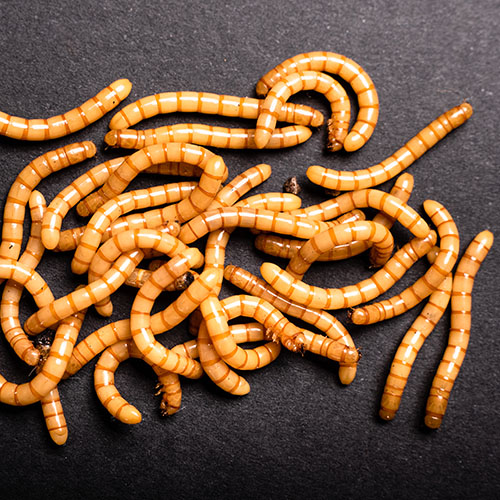
In the wild, Tokay Geckos are insectivores and occasionally carnivores, feeding on a variety of insects, small vertebrates, and sometimes even other geckos. In captivity, their diet should mainly consist of live insects such as:
- Crickets
- Locusts
- Mealworms
- Dubia roaches
- Waxworms (as an occasional treat, since they are high in fat)
Larger Tokay Geckos can also be offered pinky mice or small lizards, though this is not necessary for their regular diet. Feed adult geckos 3-4 times a week, while juveniles need to be fed daily due to their rapid growth.
Supplements
To ensure your gecko receives adequate nutrition, dust their food with calcium powder two to three times a week. Additionally, using a multivitamin supplement once a week can help prevent nutrient deficiencies. A lack of calcium, in particular, can lead to metabolic bone disease, which is a common health issue in captive reptiles.
Handling and Interaction
Temperament
Tokay Geckos are often described as “feisty” and should be handled with care. As mentioned earlier, they are known for biting when stressed or startled, and their bites can be quite painful. It’s important to remember that Tokay Geckos are not typically pets that enjoy handling; instead, they are more suited to being admired in their enclosure.
For those who wish to tame their gecko, patience is key. Start by letting the gecko get used to your presence by sitting near the enclosure and observing it without attempting to touch it. Over time, you can try offering food with tongs to build trust. Some geckos may never fully warm to handling, and that’s okay—it’s essential to respect their boundaries.
Handling Techniques
If you do need to handle your Tokay Gecko (for example, for health checks or cleaning its enclosure), approach it slowly and carefully. It’s best to scoop the gecko from below rather than grabbing it from above, as this can trigger a defensive response. Wearing gloves can provide some protection from bites. Always support the gecko’s body, and avoid handling it for long periods to minimize stress.
Common Health Issues
Signs of a Healthy Gecko
A healthy Tokay Gecko should have clear eyes, smooth skin, and a robust appetite. It should be active at night, climbing and hunting prey. Ensure that it sheds its skin completely, as retained shed can cause problems, especially around the toes and eyes.
Metabolic Bone Disease (MBD)
As mentioned earlier, metabolic bone disease is a common issue in captive reptiles caused by a lack of calcium or improper UVB exposure. Signs of MBD include weak or brittle bones, lethargy, and deformities in the limbs or jaw. This condition is preventable with proper diet and calcium supplementation.
Respiratory Infections
Tokay Geckos are susceptible to respiratory infections if their enclosure is too cold or humid. Symptoms include wheezing, labored breathing, and excessive mucus around the nose or mouth. If you notice these signs, consult a veterinarian who specializes in reptiles.
Parasites
Parasites such as mites or internal worms can affect Tokay Geckos. Regular cleaning of the enclosure and monitoring your gecko for changes in behavior or weight loss can help prevent and detect these issues early. A veterinarian can prescribe treatments if needed.
Breeding Tokay Geckos
Sexing Tokay Geckos
Determining the sex of a Tokay Gecko is relatively straightforward. Males are generally larger and have more vibrant coloration than females. Additionally, males have noticeable hemipenal bulges at the base of the tail and a row of preanal pores, which appear as small, visible dots in front of the vent.
Breeding Conditions
If you’re interested in breeding Tokay Geckos, it’s essential to replicate their natural breeding conditions. These geckos typically breed during the warmer months, so providing a slight increase in temperature and humidity can stimulate breeding behavior. Males are territorial and aggressive toward other males, so only one male should be kept in an enclosure with females.
After successful mating, females will lay 1-2 hard-shelled eggs, which they often adhere to a surface in the enclosure. Incubation lasts around 60-90 days, depending on temperature and humidity levels.

Choosing a Tokay Gecko
Where to Buy a Tokay Gecko
Tokay Geckos are available from various sources, including pet stores, breeders, and reptile expos. However, not all sources are equal. It’s best to purchase from a reputable breeder who can provide information about the gecko’s health, age, and genetics. Avoid wild-caught specimens if possible, as they are often more stressed and prone to health issues compared to captive-bred geckos.
What to Look For
When choosing a Tokay Gecko, look for one that is active and alert. Its skin should be free of any lesions or parasites, and it should have clear eyes. Ask the seller about the gecko’s feeding habits and any medical history to ensure you are getting a healthy specimen.
Tokay Geckos are a rewarding species for reptile enthusiasts, but they are not the easiest geckos to care for, particularly for beginners. Their aggressive nature, large size, and specific environmental requirements mean that they require more attention than some other common pet reptiles, such as leopard geckos or crested geckos.
However, with proper care, Tokay Geckos can live for 10-15 years or longer in captivity, offering years of fascination for their keepers. By understanding their needs and being patient with their temperament, you can provide a healthy, enriching environment for these stunning reptiles.
References
- Bartlett, R. D., & Bartlett, P. (2006). Geckos: Keeping & Breeding Them in Captivity. Barron’s Educational Series.
- Behler, J. L. (1995). Reptile and Amphibian Keeper’s Guide: Geckos. TFH Publications.
- Smith, M. (2017). The Tokay Gecko: A Complete Guide to Care and Breeding. Gecko Books Publishing.
- De Vosjoli, P., & Mailloux, R. (2013). The Art of Keeping Tokay Geckos: Captive Husbandry and Reproduction. Advanced Vivarium Systems.
- Hernandez-Divers, S. J. (2001). “Common Health Issues in Reptiles: A Guide for Owners.” Journal of Exotic Pet Medicine, 10(2), 65-74.