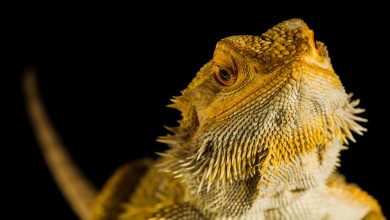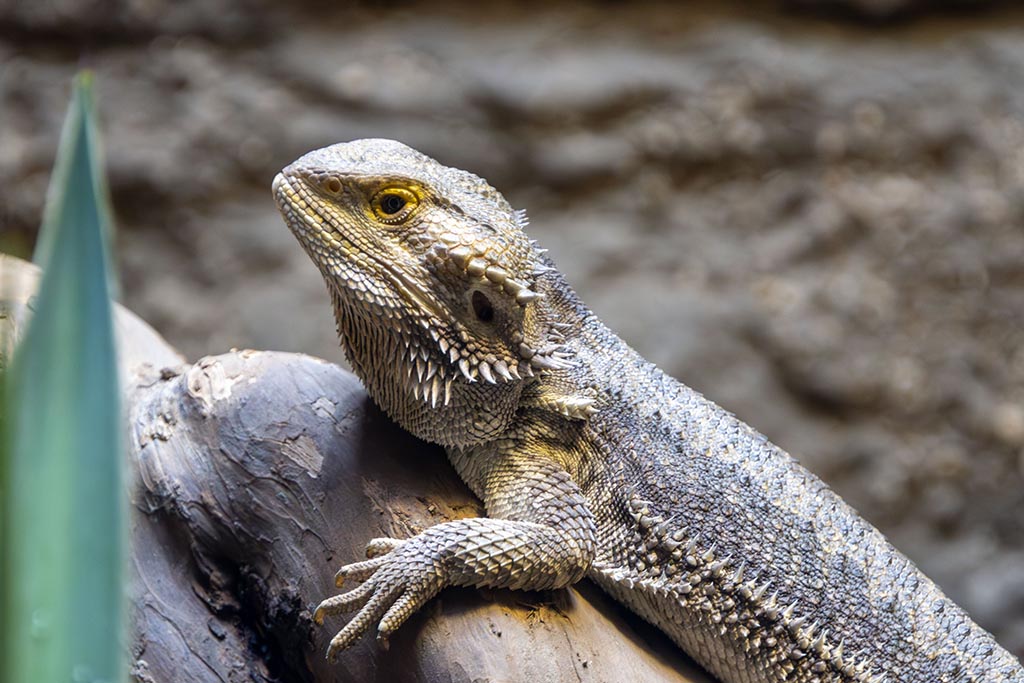
Bearded dragons, particularly in their juvenile stage, are fascinating pets that have gained immense popularity among reptile enthusiasts. These reptiles are known for their calm demeanour and interactive personality, making them ideal companions. However, as a new owner, understanding how to properly feed your baby bearded dragon is crucial for ensuring their health and growth. This guide will explore their dietary needs, appropriate feeding methods, food sources, and tips for maintaining a balanced diet.
Understanding Bearded Dragon Nutrition
Nutritional Requirements
Bearded dragons are omnivores, meaning they require a mix of animal protein and plant-based foods in their diet. A baby bearded dragon’s nutritional needs differ from those of adults, necessitating a focus on high-protein and calcium-rich foods to support rapid growth and development.
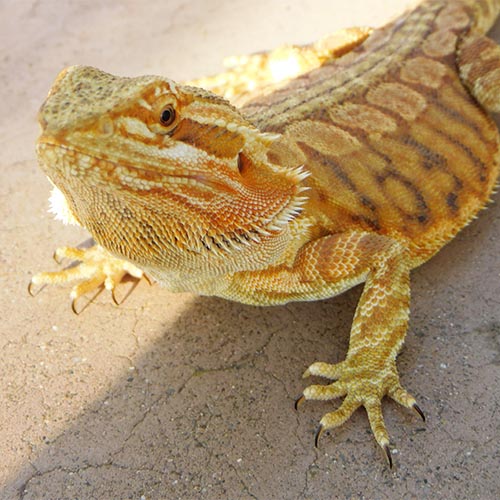
- Protein: In the wild, baby bearded dragons primarily consume insects. Therefore, a significant portion of their diet should consist of protein sources, especially during their first year. Protein is essential for muscle development and overall health.
- Vegetables and Fruits: While baby bearded dragons need a diet rich in protein, they also require vegetables and fruits to provide essential vitamins and minerals. These foods help maintain digestive health and provide hydration.
- Calcium and Vitamins: Calcium is crucial for bone development and preventing metabolic bone disease (MBD), a common ailment in reptiles. Vitamin D3 is also important for calcium absorption, while other vitamins help support overall health.
Ratio of Food Types
The feeding ratio for baby bearded dragons changes as they grow. Generally, the recommended feeding ratio is as follows:
- Protein Sources (insects): 60–80%
- Vegetables: 20–40%
- Fruits: 5–10%
It’s important to adjust this ratio as your bearded dragon matures, shifting to a diet that includes more vegetables and fewer insects as they age.
Suitable Food Choices
Insect Protein Sources
Insects are the primary protein source for baby bearded dragons. Here are some suitable insects to feed your baby:
- Crickets: A staple food, crickets are high in protein and widely available. They should be appropriately sized, no larger than the distance between your bearded dragon’s eyes.
- Locusts: Another staple food item, high in protein and widely available in the UK.
- Dubia Roaches: These roaches are another excellent source of protein. They are nutritious and easier to digest than some other insects.
- Mealworms: While mealworms are high in fat, they can be offered in moderation. It’s best to mix them with other insect types.
- Waxworms: Similar to mealworms, waxworms are high in fat and should be fed as an occasional treat rather than a staple.
- Silkworms: These are larger than mealworms and can be offered to older babies. Like mealworms and waxworms, they are high in fat and should be limited in frequency. Sometimes also called Superworms.
Vegetables and Greens
A variety of vegetables and leafy greens should be included in your baby bearded dragon’s diet. Here are some suitable options:
- Collard Greens: Rich in calcium and vitamins, collard greens are an excellent staple green.
- Mustard Greens: Similar to collard greens, mustard greens are highly nutritious and well-received by bearded dragons.
- Dandelion Greens: These are safe and nutritious for bearded dragons and can be found in many gardens.
- Bok Choy: This leafy vegetable is a good source of vitamins and minerals.
- Carrots: Finely shredded or grated carrots can be offered occasionally for variety.
Fruits
Fruits should be offered sparingly, as they are high in sugar. Suitable fruits include:
- Strawberries: High in vitamin C, strawberries can be offered in small amounts.
- Blueberries: These are a great source of antioxidants and can be fed occasionally.
- Melons: Watermelon and cantaloupe can be provided for hydration and variety.
- Peaches: Chopped peaches are a good treat but should be limited to prevent sugar overload.
- Apples: Offer small, peeled slices of apple to provide fiber and hydration.
Feeding Practices
Portion Sizes
When feeding your baby bearded dragon, portion control is essential. As a rule of thumb, feed them an amount of insects that they can consume within 10-15 minutes. For vegetables, a small handful should be sufficient, and you can refresh the food daily.
Frequency of Feeding
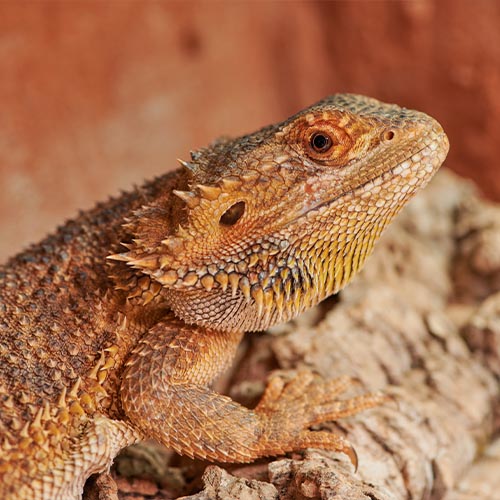
Baby bearded dragons require more frequent feeding than adults. Here’s a general guideline for feeding frequency:
- Subadults (6 months–1 year): Feed 1–2 times a day.
- Young Hatchlings (0–3 months): Feed 3–4 times a day.
- Juveniles (3–6 months): Feed 2–3 times a day.
Feeding Methods
- Live Feeding: Insects can be offered live to encourage natural hunting behaviour. However, ensure the insects are appropriately sized and cannot harm your dragon.
- Chop and Mix: For vegetables and fruits, chop them into small pieces to make it easier for your bearded dragon to eat. Mixing different types of greens can also provide a varied diet.
- Gut Loading: Before feeding insects to your baby bearded dragon, gut-load them by feeding them nutritious foods 24 hours before offering them. This ensures your dragon receives the maximum nutritional benefit from its food.
- Supplementation: Dust insects with calcium powder 2-3 times a week, and use a multivitamin supplement once a week to ensure your baby gets the essential nutrients it needs.
Water Needs
Hydration is vital for your baby bearded dragon. While they may receive moisture from their food, it’s essential to provide fresh, clean water daily. You can use a shallow dish or spray the enclosure lightly with water to encourage drinking. Monitor their water intake, and ensure that it is refreshed regularly.
Common Feeding Mistakes
As a new owner, it’s important to be aware of common feeding mistakes that can lead to health issues in your bearded dragon:
- Overfeeding: Baby bearded dragons have a high metabolism, but overfeeding can lead to obesity and health complications. Monitor portion sizes and frequency.
- Inadequate Calcium: Failing to provide adequate calcium can lead to metabolic bone disease. Use supplements regularly and ensure proper UVB lighting in the enclosure to aid calcium absorption.
- Feeding the Wrong Foods: Some foods, such as spinach and iceberg lettuce, should be avoided. Spinach contains oxalates, which can inhibit calcium absorption, while iceberg lettuce offers little nutritional value.
- Neglecting Variety: Feeding the same foods repeatedly can lead to nutritional deficiencies. Rotate food sources to ensure a balanced diet.
- Ignoring Gut Loading: Always gut-load insects before feeding them to your bearded dragon. This ensures they are receiving the nutrients they need.
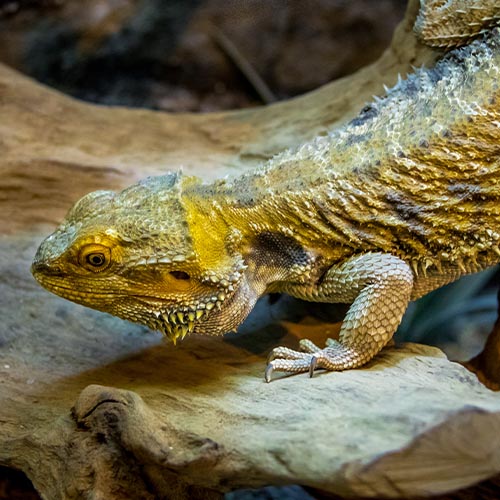
As you feed your baby bearded dragon, keep an eye on its overall health. Signs of a healthy dragon include:
- Healthy Weight: Monitor your dragon’s weight and growth. If it appears to be underweight or overweight, consult a veterinarian for guidance.
- Active Behaviour: A healthy baby bearded dragon should be active, curious, and alert.
- Good Appetite: A consistent appetite indicates proper health. If your dragon stops eating, it may be a sign of stress or illness.
- Regular Shedding: Bearded dragons will shed their skin periodically. Regular shedding is a sign of proper hydration and nutrition.
Monitoring Your Baby Bearded Dragon’s Health
Feeding your baby bearded dragon requires careful consideration and knowledge of their specific dietary needs. By providing a balanced diet of insects, vegetables, and occasional fruits, along with proper supplements and hydration, you can ensure your baby bearded dragon grows healthy and strong. Monitor their health regularly and adjust their feeding routine as they mature, and you’ll be rewarded with a lively and interactive companion for years to come.
References
Melton, J. (2022). “Feeding and Nutrition for Bearded Dragons: What You Need to Know.” Exotic Animal Care, 15(4), 321-328.
McArthur, C. (2022). Bearded Dragons: A Comprehensive Guide to Caring for Your Pet. Pet Care Press.
Herpetological Journal. (2021). “Nutritional Needs of Bearded Dragons.” Herpetological Review, 52(3), 245-251.
Smith, R. (2020). The Complete Guide to Bearded Dragons. Reptile Publishing.
Reptiles Magazine. (2019). “Feeding Your Bearded Dragon: Tips for New Owners.” Reptiles Magazine.
Australian Reptile Park. (2023). “Bearded Dragon Care: Nutrition.” Australian Reptile Park.
Turtle and Tortoise Preservation Group. (2018). “Understanding Calcium Requirements in Reptiles.” Journal of Herpetology, 52(1), 1-6.
Seddon, M. (2023). “Gut Loading Insects for Reptiles.” Reptile Care Guide.
Bearded Dragon Care Group. (2022). “The Importance of Hydration for Bearded Dragons.” Bearded Dragon Care Group.
National Geographic. (2023). “Bearded Dragon Facts.” National Geographic.