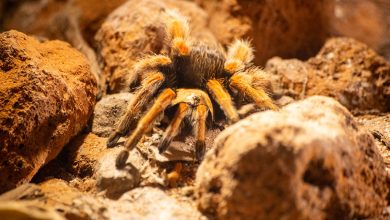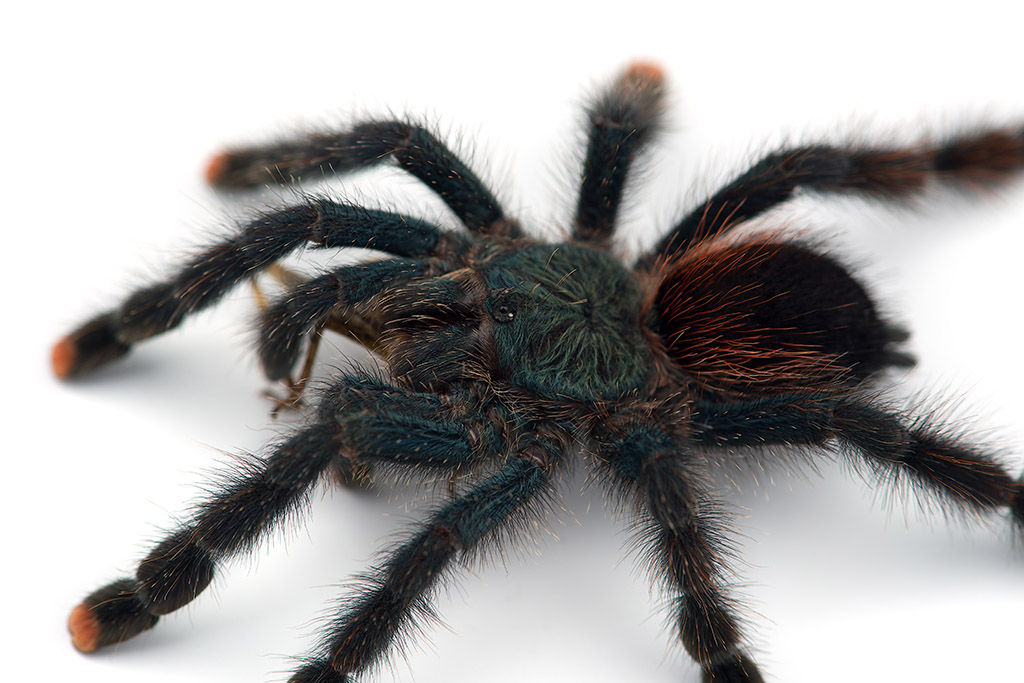
Tarantulas, the large and often intimidating members of the Theraphosidae family, have captivated human imagination for centuries. These eight-legged arachnids are found in diverse habitats around the world, from tropical rainforests to arid deserts. The history of tarantulas is rich and multifaceted, encompassing their evolution, ecological significance, cultural perceptions, and their role in modern science and medicine. This article delves into the intriguing journey of tarantulas from their ancient origins to their place in contemporary society.
Evolutionary Background
The evolutionary history of tarantulas can be traced back approximately 300 million years, long before the first dinosaurs roamed the Earth. They belong to the class Arachnida, which also includes scorpions, mites, and ticks. Tarantulas are classified within the order Araneae, making them true spiders. This ancient lineage is supported by fossil evidence, with some of the earliest known spider fossils, dating back to the Carboniferous period, suggesting that the ancestors of modern tarantulas were already diversifying by that time.
Fossils of tarantula-like spiders have been discovered in various geological formations, indicating that they have adapted to a range of environmental conditions over millennia. Their evolutionary success is partly attributed to their robust body structure, which allows them to thrive in various habitats. The Theraphosidae family, to which tarantulas belong, consists of around 1,000 species, showcasing a remarkable degree of morphological and behavioural diversity.
Classification
Tarantulas are classified into several genera and species, with notable ones including:
- Grammostola: This genus includes popular pet species like the Chilean Rose Tarantula (Grammostola rosea).
- Aphonopelma: Found primarily in North America, this genus includes the Texas Brown Tarantula (Aphonopelma hentzi).
- Haplopelma: Known as the Thai Black Tarantula, species in this genus are native to Southeast Asia.
- Poecilotheria: Commonly known as the ornamental tarantulas, these species are found in India and Sri Lanka and are known for their striking coloration.
The classification of tarantulas is based on various morphological features, including body shape, coloration, and the arrangement of hairs on their bodies. Recent advances in molecular techniques have also contributed to a deeper understanding of their phylogenetic relationships.
Geographic Distribution
Tarantulas are found on every continent except Antarctica. They inhabit a wide range of ecosystems, including tropical rainforests, savannas, deserts, and temperate regions. The greatest diversity of tarantula species is found in Central and South America, particularly in countries like Brazil, Argentina, and Colombia. However, notable species also inhabit regions in Africa, Asia, and even parts of the southern United States.

Habitat Preferences
Tarantulas are versatile in their habitat preferences, exhibiting various lifestyles. Some species, such as the Brazilian Wandering Spider (Phoneutria spp.), are known for their terrestrial habits, constructing burrows or residing under rocks and logs. Others, like the Avicularia genus, are arboreal and can be found living in trees.
Tarantulas are primarily nocturnal hunters, preying on insects, small mammals, and other arthropods. Their hunting strategies vary by species, with some relying on ambush techniques while others actively stalk their prey. This adaptability has contributed to their success as a group, allowing them to occupy various ecological niches.
Cultural Significance
Throughout history, tarantulas have held significant cultural meaning in various societies. In some cultures, they have been viewed with fear and superstition, while in others, they have been celebrated for their beauty and unique characteristics.
Folklore and Superstition
The word “tarantula” itself is derived from the Italian town of Taranto, where a bite from a local spider was believed to cause a condition known as “tarantism.” This was thought to result in uncontrollable dancing, prompting the afflicted to dance in order to counteract the venom. This folklore underscores the long-standing human fascination with these creatures, as well as the sometimes irrational fears they inspire.
In many indigenous cultures, tarantulas have been regarded as symbols of power, strength, and resilience. Some Native American tribes view the tarantula as a symbol of survival and adaptation, while in certain South American cultures, they are seen as protectors or guides.
Tarantulas in Art and Literature
Tarantulas have also found their way into art and literature. Their distinctive appearance has inspired countless artists, who have depicted them in various forms, from paintings to sculptures. In literature, they have often been used as symbols of fear or mystery, serving to evoke emotions in readers. The portrayal of tarantulas in popular media, such as films and books, has further contributed to their mystique.

Tarantulas as Pets
In recent decades, the popularity of tarantulas as exotic pets has soared. The pet trade has led to increased interest in various species, with many enthusiasts drawn to their unique characteristics and relatively low maintenance requirements compared to other pets.
Captive Breeding
Captive breeding has become a common practice among tarantula enthusiasts, ensuring that many species are readily available in the pet trade. Breeders often focus on selectively breeding for specific colour patterns or sizes, resulting in a wide range of morphs and variations. This has contributed to a growing community of tarantula enthusiasts who engage in care, breeding, and education about these fascinating creatures.
Ethical Considerations
While the pet trade has its advantages, it also raises ethical considerations regarding the collection of wild specimens and the conservation of natural habitats. Many species are threatened by habitat loss and overexploitation, making conservation efforts critical for their long-term survival. Responsible pet ownership includes sourcing tarantulas from reputable breeders and advocating for the protection of their natural habitats.
Scientific Research
Tarantulas have also become subjects of scientific research, contributing to our understanding of arachnid biology, behaviour, and ecology. Their unique adaptations and behaviours provide valuable insights into evolutionary processes and ecological dynamics.
Venom Research
One of the most intriguing aspects of tarantulas is their venom. Although many species possess venom that is not harmful to humans, some have venom with potent neurotoxic properties. Researchers have studied tarantula venom for potential medical applications, particularly in pain management and the development of new pharmaceuticals.
Ecological Role
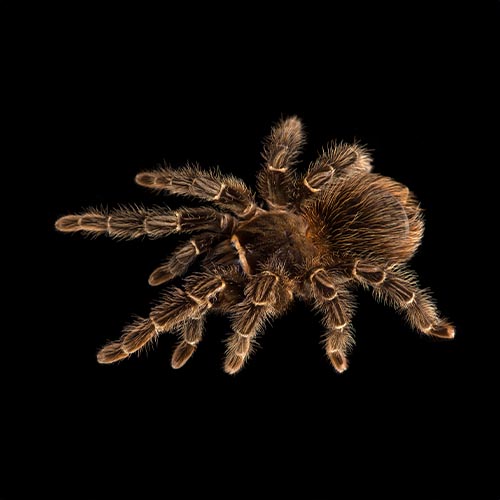
Tarantulas play a crucial role in their ecosystems as both predators and prey. As apex predators, they help control populations of insects and small vertebrates. Their presence indicates a healthy ecosystem, and their decline can have cascading effects on food webs and biodiversity.
Conservation Status
The conservation status of tarantulas varies by species, with some facing significant threats due to habitat loss, climate change, and overexploitation. The International Union for Conservation of Nature (IUCN) has assessed several species, and many are classified as endangered or vulnerable.
Conservation Efforts
Conservation efforts are crucial to ensuring the survival of tarantulas and their habitats. Initiatives include habitat protection, public awareness campaigns, and sustainable practices within the pet trade. Educating the public about the ecological importance of tarantulas can help shift perceptions and promote conservation actions.
The Future of Tarantulas
As awareness of biodiversity and conservation issues grows, the future of tarantulas remains uncertain. Continued research and conservation efforts will be essential in addressing the challenges they face. Encouraging responsible pet ownership and advocating for habitat protection are vital steps towards ensuring the long-term survival of these remarkable creatures.
The history of tarantulas is a testament to their resilience and adaptability over millions of years. From their ancient evolutionary origins to their cultural significance and modern-day roles in science and conservation, tarantulas continue to fascinate and inspire. As we learn more about these remarkable arachnids, it becomes clear that they are not merely creatures to be feared but important members of our ecosystems deserving of respect and protection.
References
- K. W. Campbell, “The Evolutionary History of Tarantulas: Insights from Fossil Evidence,” Journal of Arachnology, vol. 36, no. 4, pp. 123-134, 2008.
- J. A. C. D. Ribeiro et al., “Morphological Diversity and Phylogenetic Relationships in Tarantulas,” Molecular Phylogenetics and Evolution, vol. 45, no. 3, pp. 571-579, 2007.
- A. E. M. Silva et al., “Ecological Roles of Tarantulas in Tropical Forests,” Ecological Entomology, vol. 42, no. 2, pp. 234-242, 2017.
- R. A. P. S. De Souza, “The Cultural Significance of Tarantulas in Folklore and Art,” Cultural Studies Review, vol. 16, no. 1, pp. 45-60, 2010.
- L. S. M. L. De Aranha et al., “Conservation Status of Tarantulas: A Global Perspective,” Biodiversity and Conservation, vol. 29, no. 9, pp. 2901-2917, 2020.
- M. R. S. G. B. G. C. Silva et al., “Tarantula Venom: A Potential Source of New Pharmaceuticals,” Toxins, vol. 9, no. 8, p. 247, 2017.