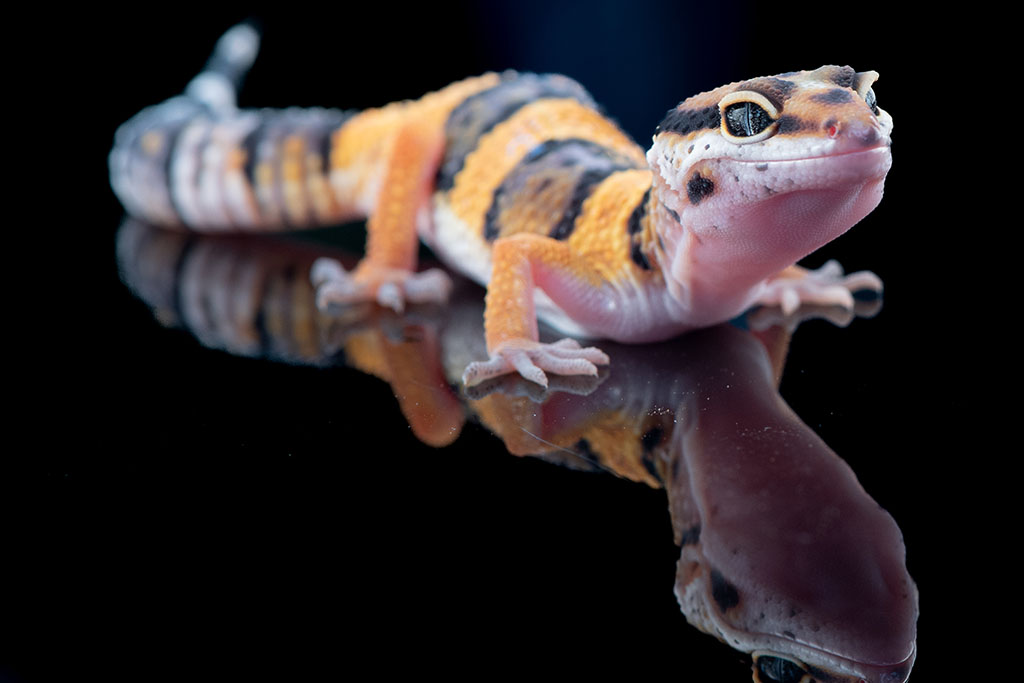
Leopard geckos (Eublepharis macularius) are one of the most popular reptile pets, known for their docile nature and relatively low maintenance requirements. However, like any pet, they need specific supplies to thrive in captivity. Creating the right environment and providing for their basic needs ensures that they live long, healthy lives. This article will discuss the top ten essential supplies for keeping a leopard gecko, covering everything from housing to dietary requirements.
Proper Enclosure (Terrarium or Vivarium)
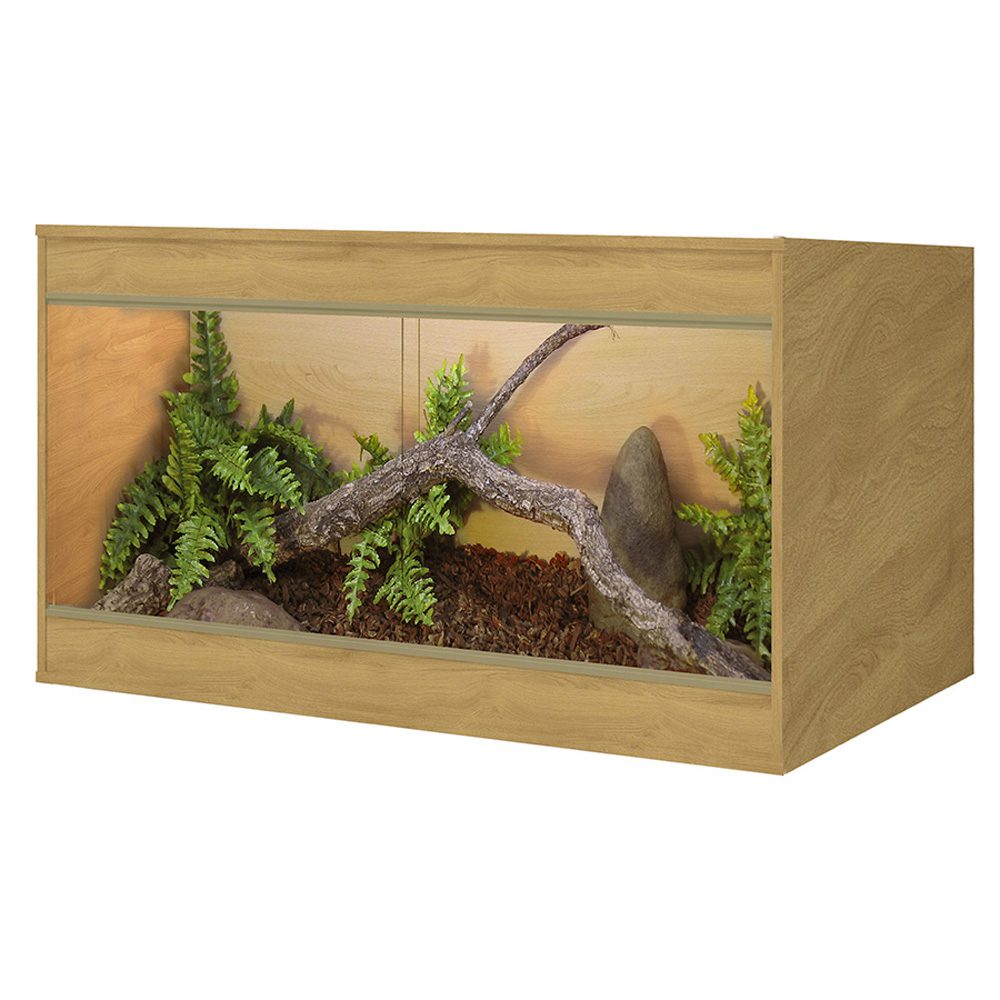
Leopard geckos need a safe and spacious enclosure where they can feel secure. The enclosure should be a glass or plastic terrarium or vivarium that retains heat but allows proper ventilation.
- Size: For a single adult gecko, a 36 inch vivarium (20-gallon tank) is the minimum, but larger enclosures are better, allowing more room for exploring. For juveniles, a smaller enclosure 24 inch (10-15 gallons) may suffice until they grow.
- Type: A wooden vivarium is most commonly used dues to the heat retention. Glass tanks with a mesh top works well for ventilation while but temperatures must be checked regularly. Plastic enclosures are also an option but may need more temperature regulation.
Why It’s Essential: An appropriate enclosure size ensures your gecko has enough space to explore, which reduces stress and promotes physical activity.
Substrate (Bedding)
The substrate is the material lining the bottom of the enclosure, and choosing the right one is crucial. Some substrates carry a risk of impaction, a potentially life-threatening condition where the gecko ingests substrate material and becomes blocked internally. This has to weighed up against creating a more natural environment and allowing leopard geckos to display normal behaviours.
- Safe Substrates: Reptile carpet, paper towels, or slate tiles. These are easy to clean and pose no ingestion risk but are least natural and can prevent your gecko from displaying natural behaviours such as digging.
- Loose Substrates: Sand soil mixes, loose soil, aspen or wood chips, but they can cause impaction if accidentally ingested by the gecko.
Why It’s Essential: A safe substrate prevents health issues and makes cleaning the enclosure easier, ensuring your gecko’s habitat remains sanitary.
Heating Elements
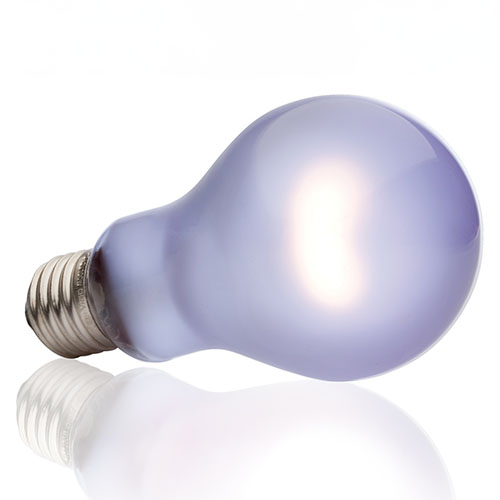
Leopard geckos are ectothermic, meaning they rely on external heat sources to regulate their body temperature. Therefore, providing a proper heat gradient (with both warm and cool zones) is crucial for their well-being.
- Heat Mats or Under-Tank Heaters (UTH): The most common heating method is an under-tank heater, which provides warmth from the bottom. Leopard geckos, being terrestrial, absorb heat from their bellies.
- Thermostat: You’ll need a thermostat to control the temperature of the heat source and prevent overheating.
- Heat Lamps: These are an option, but many keepers prefer heat mats as geckos are nocturnal and don’t require a UVB source like some other reptiles.
Why It’s Essential: Proper heat regulation supports the gecko’s digestion and overall metabolic function.
Thermometer and Hygrometer
Monitoring the temperature and humidity in the gecko’s habitat is key to keeping it comfortable and healthy.
- Thermometers: Place a thermometer in both the warm and cool sides of the enclosure. The warm side should be around 28-32°C (82-90°F), while the cool side should be 22-26°C (72-78°F).
- Hygrometer: A hygrometer measures humidity. Leopard geckos prefer a humidity level of around 30-40%, but a humid hide with higher moisture (around 70%) is necessary during shedding.
Why It’s Essential: These devices ensure you maintain the right environment for your gecko’s health, preventing issues related to temperature extremes or incorrect humidity levels.
Hides and Shelter
Leopard geckos need multiple hiding spots to feel secure and avoid stress. Provide at least two to three hides:
- Warm Hide: Positioned on the warm side of the enclosure, this hide helps regulate their body temperature.
- Cool Hide: This should be placed on the cool side for when your gecko needs to cool down.
- Moist Hide: This hide helps with shedding and humidity. It should be filled with damp sphagnum moss or paper towels to maintain moisture.
Why It’s Essential: Hides give your gecko a place to retreat, reducing stress and helping with thermoregulation and shedding.
Water Dish
Leopard geckos need access to fresh water at all times, although they get most of their hydration from their food. A shallow water dish is ideal to prevent drowning, especially for juveniles. Ensure the water is changed daily, and clean the dish regularly to avoid bacterial growth.
Why It’s Essential: A consistent supply of clean water is vital for hydration and overall health, even though leopard geckos are desert animals.
Food Dish
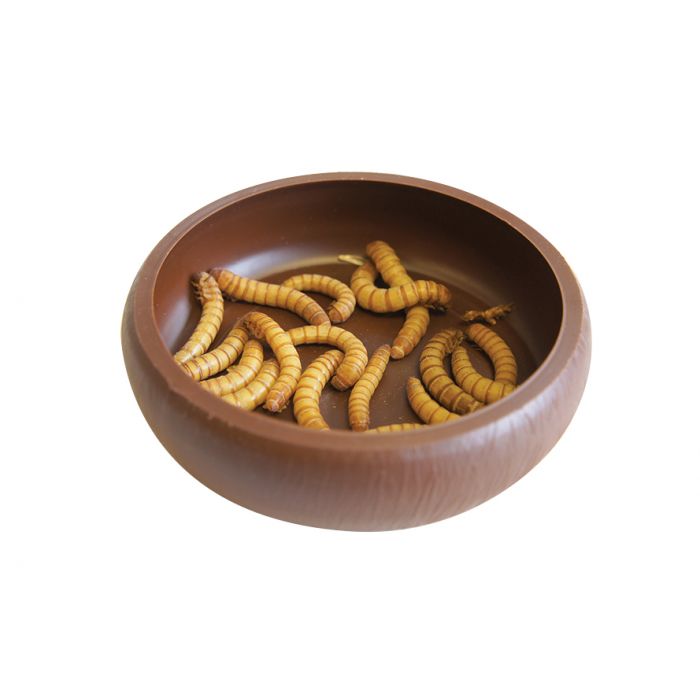
While leopard geckos primarily eat live insects, a shallow food dish can be useful for offering calcium powder or mealworms. The dish prevents the insects from escaping and helps the gecko find its food easily. Make sure to remove uneaten insects after feeding, as they can stress the gecko or even bite it.
Why It’s Essential: A food dish helps with feeding management and keeps insects from contaminating the enclosure.
Calcium and Vitamin Supplements
Leopard geckos, like most reptiles, need calcium and vitamins to prevent metabolic bone disease (MBD) and other nutritional deficiencies.
- Calcium: Offer calcium powder without vitamin D3 for daily dusting on feeder insects. Calcium with D3 can be offered a few times a week.
- Multivitamins: A multivitamin powder specifically for reptiles should be given a couple of times a week, depending on the gecko’s age and health.
Why It’s Essential: Calcium and vitamins are crucial for proper bone development and overall health, especially for growing geckos.
Live Insects (Primary Diet)
Leopard geckos are insectivores, meaning their primary diet consists of live insects. The most common feeders include:
- Crickets: High in protein and easy to gut-load (feeding the insects nutritious food to pass on to your gecko).
- Locusts: Also high in protein and easy to gut-load
- Mealworms: Another staple, though they should be fed in moderation due to their hard exoskeleton.
- Dubia Roaches: These are a more nutrient-dense option and are easy to breed at home.
- Waxworms and Superworms: These can be offered occasionally as treats but are high in fat and should not be a regular part of the diet.
All live insects should be gut-loaded and dusted with calcium powder before feeding them to your gecko.
Why It’s Essential: A balanced diet of live insects provides your gecko with the protein and nutrition it needs to stay healthy and active.
Tongs or Feeding Tweezers
While some leopard geckos may be comfortable being hand-fed, others may be more skittish or aggressive eaters. Using tongs or feeding tweezers allows you to feed them without risking bites or scaring them.
- Stainless Steel Tweezers: These are ideal for handling live insects or offering calcium dusted mealworms.
- Silicone-Tipped Tongs: These can be gentler and quieter, reducing the stress of feeding time.
Why It’s Essential: Feeding tweezers or tongs make handling live insects safer and more convenient while keeping a safe distance from your pet’s quick bite.
Caring for a leopard gecko requires attention to detail, particularly when it comes to their habitat, diet, and health. The ten essential supplies listed above will help ensure that your gecko lives a healthy and comfortable life. By providing a suitable enclosure with proper heating, humidity, and shelter, as well as a nutritious diet supplemented with calcium and vitamins, you can prevent common health issues and keep your gecko thriving for years to come.
References:
Dubia Roach Facts, 2022. Leopard Gecko Nutrition: Dubia Roach Facts. Available at: www.dubiaroachfacts.com.
Exo-Terra, 2023. Leopard Gecko Habitat Setup. Available at: www.exo-terra.com.
Gecko Time, 2022. Leopard Gecko Care. Available at: www.geckotime.com.
Josh’s Frogs, 2023. Care Sheet. Available at: www.joshsfrogs.com.
Pangea Reptile, 2023. Leopard Gecko Care Guide. Available at: www.pangeareptile.com.
PetMD, 2023. How to Care for Leopard Geckos. Available at: www.petmd.com.
Reptile Centre, 2021. Leopard Gecko Setup. Available at: www.reptilecentre.com.
Reptile Magazine, 2023. Leopard Gecko Husbandry. Available at: www.reptilemagazine.com.
Reptiles Magazine, 2023. Leopard Gecko Care Sheet. Available at: www.reptilesmagazine.com.
The Spruce Pets, 2023. Reptile Care Guide. Available at: www.thesprucepets.com.