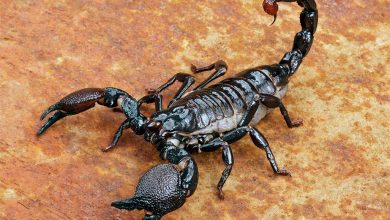
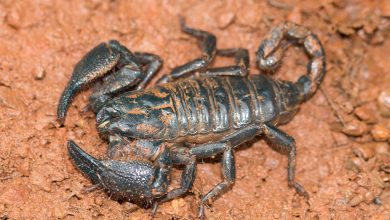
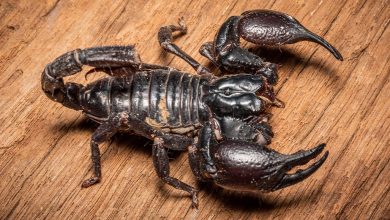
Creating a suitable habitat for an emperor scorpion (Pandinus imperator) requires careful planning, particularly when selecting plants that will thrive alongside these fascinating arachnids. Emperor scorpions are native to the tropical and subtropical regions of Africa, typically found in rainforests and savannas where they inhabit burrows or crevices. Therefore, the terrarium must mimic their natural environment to ensure their well-being. This article explores the best plants for an emperor scorpion terrarium, focusing on their benefits, care requirements, and how to create a balanced ecosystem.
Understanding the Emperor Scorpion’s Habitat
Before diving into plant selection, it’s essential to understand the emperor scorpion’s habitat requirements. In the wild, they prefer environments that provide ample hiding spots and moisture. The terrarium should have the following characteristics:
Humidity: Emperor scorpions require high humidity levels, typically between 70% and 80%. This can be achieved through regular misting and substrate choices.
Temperature: The temperature should be maintained between 24°C and 30°C (75°F to 86°F).
Hiding Spots: Plants, logs, and other decorations should provide hiding spots to help reduce stress for the scorpions.
Creating a diverse and enriching environment with live plants can help regulate humidity and provide a more naturalistic setting. Below is a list of plants suitable for an emperor scorpion terrarium, along with their care requirements.
Best Plants for an Emperor Scorpion Terrarium
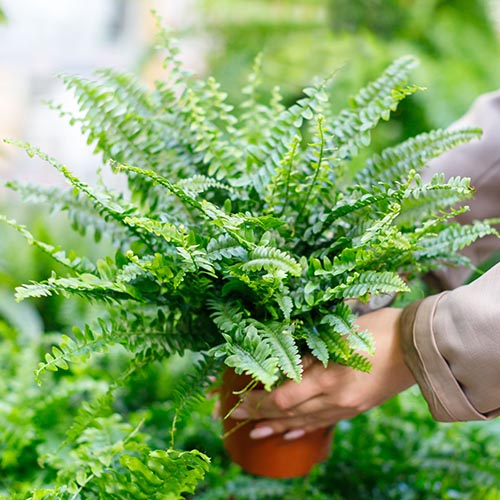
Ferns (e.g., Boston Fern, Maidenhair Fern)
- Description: Ferns are non-flowering plants that thrive in humid environments. Their feathery fronds provide excellent coverage and create a lush environment.
- Care Requirements: Ferns prefer indirect sunlight and consistent moisture. They should be watered regularly to keep the soil damp but not soggy.
- Benefits: Ferns help maintain humidity levels and provide hiding spots for the scorpions. They are also non-toxic to the scorpions.
Spider Plant (Chlorophytum comosum)
- Description: Spider plants are hardy, adaptable houseplants with arching green leaves and small white flowers.
- Care Requirements: These plants prefer indirect light and well-draining soil. They should be watered when the top inch of soil feels dry.
- Benefits: Spider plants are safe for emperor scorpions and can tolerate occasional dry spells, making them low-maintenance.
Pothos (Epipremnum aureum)
- Description: Pothos is a popular vining plant with heart-shaped leaves that can thrive in a range of lighting conditions.
- Care Requirements: This plant prefers bright, indirect light but can tolerate low light. Keep the soil moist but not overly wet.
- Benefits: Pothos can help purify the air and provides ample coverage for the scorpions to hide among the leaves.

Snake Plant (Sansevieria trifasciata)
- Description: Known for its upright, sword-like leaves, the snake plant is an easy-to-care-for option that thrives in various conditions.
- Care Requirements: This plant prefers indirect sunlight and should be watered only when the soil is completely dry.
- Benefits: The snake plant is hardy and non-toxic, making it an excellent choice for a scorpion terrarium.
Hoya (Hoya spp.)
- Description: Hoya plants, also known as wax plants, have thick, waxy leaves and produce clusters of star-shaped flowers.
- Care Requirements: They prefer bright, indirect light and should be watered when the soil begins to dry out.
- Benefits: Hoyas provide excellent hiding spots and thrive in humid conditions, making them suitable for an emperor scorpion habitat.
Dracaena (Dracaena spp.)
- Description: Dracaenas are popular houseplants with long, strap-like leaves that can vary in colour and size.
- Care Requirements: They prefer bright, indirect light and should be watered when the top inch of soil feels dry.
- Benefits: Dracaenas are safe for scorpions and add vertical interest to the terrarium, creating more hiding spaces.
Bromeliads (Bromeliaceae family)
- Description: Bromeliads are unique plants that have rosettes of leaves and can store water in their leaf bases.
- Care Requirements: They prefer bright, indirect light and should be watered regularly to keep the leaf rosettes filled with water.
- Benefits: Bromeliads help maintain humidity and offer natural hiding spots, making them an attractive addition to a scorpion habitat.
Moss (e.g., Sheet Moss, Sphagnum Moss)
- Description: Moss adds a natural look to the terrarium and helps retain moisture in the substrate.
- Care Requirements: Moss prefers damp conditions and should be misted regularly to keep it lush.
- Benefits: Moss helps maintain humidity levels and provides a soft substrate for the scorpions to traverse.
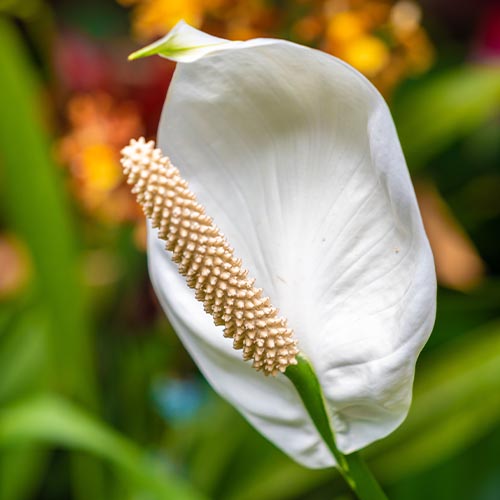
Peace Lily (Spathiphyllum spp.)
- Description: Peace lilies are known for their glossy green leaves and white flowers, adding an elegant touch to any terrarium.
- Care Requirements: They thrive in low to moderate light and should be watered when the soil feels dry.
- Benefits: Peace lilies are safe for scorpions and can help improve humidity levels while providing shade.
Calathea (Calathea spp.)
- Description: Calathea plants have striking foliage with unique patterns and can add visual interest to the terrarium.
- Care Requirements: They prefer bright, indirect light and should be kept in consistently moist soil.
- Benefits: Calatheas thrive in high humidity, making them ideal for a scorpion habitat, while their broad leaves provide hiding spots.
Creating the Ideal Terrarium Environment
To create the best environment for your emperor scorpion and chosen plants, consider the following steps:
Terrarium Size and Layout: Choose an appropriate size for your terrarium. A minimum of 20 gallons is recommended for an emperor scorpion to allow for adequate space and environmental features. Use a combination of plants, rocks, and driftwood to create layers and hiding spots.
Substrate: Use a substrate that retains moisture yet allows for drainage. A mix of coconut coir, peat moss, and sand can provide an excellent base for both plants and scorpions. Aim for a depth of at least 3-4 inches to allow burrowing.

Humidity Control: Monitor humidity levels with a hygrometer and mist the terrarium regularly. If humidity levels drop, consider adding a small water feature or using a humidity dome to maintain the moisture balance.
Lighting: Use a low-wattage fluorescent or LED light to provide sufficient lighting without overheating the terrarium. Ensure that plants receive the right amount of light based on their specific needs.
Regular Maintenance: Regularly check the health of your plants and remove any dead or decaying foliage. Monitor the substrate for mould and maintain cleanliness to prevent any harmful bacterial growth.
Observe Your Scorpion: Pay attention to your emperor scorpion’s behaviour. If it seems stressed or is spending too much time hiding, consider adjusting the layout or the number of plants.
Creating a thriving terrarium for an emperor scorpion requires careful consideration of both the animal’s and plants’ needs. By incorporating suitable plants, you can enhance the scorpion’s environment, helping to maintain humidity, provide hiding spots, and create a visually appealing display. When selecting plants, ensure they are non-toxic and compatible with the high humidity levels required by the emperor scorpion.
Incorporating the right plants not only promotes the well-being of your scorpion but also helps create a balanced ecosystem that mimics its natural habitat. With the right setup, your emperor scorpion will thrive, providing you with a rewarding and fascinating pet experience.
References
Wilkerson, R. (2013). “Terrarium Care for Scorpions.” PetSmart. https://www.petsmart.com
De Vosjoli, P., & Kline, D. (2007). The New Guide to Reptiles and Amphibians: Basic Care, Housing, Breeding, and Feeding. Green Jungle Publishing.
Smith, A. (2015). Scorpions: A Complete Pet Owner’s Manual. Barron’s Educational Series.
Conant, R., & Collins, J. T. (1998). A Field Guide to Reptiles and Amphibians: Eastern and Central North America. Houghton Mifflin Harcourt.
Fennell, M. (2018). “Keeping Emperor Scorpions as Pets.” Reptiles Magazine. https://www.reptilesmagazine.com
Halliday, T. (2009). The Biology of Scorpions. Cambridge University Press.