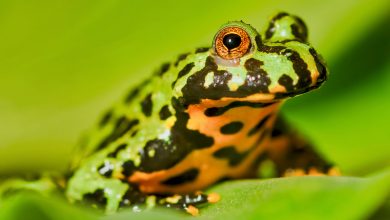
Pacman frogs or Horned Frogs (Ceratophrys spp.) are fascinating amphibians known for their unique appearance and robust size. Their habitat needs to be carefully considered to create a thriving environment. One of the key elements in setting up a suitable vivarium for these frogs is the selection of appropriate plants. This article explores the best plants for pacman frogs, considering factors such as their environmental needs, compatibility, and maintenance requirements.
Understanding Pacman Frog Habitats
Before diving into specific plant recommendations, it’s essential to understand the natural habitat of pacman frogs. Native to the tropical rainforests of South America, particularly in countries like Brazil and Argentina, these frogs thrive in humid, warm environments. They often inhabit leaf litter, undergrowth, and areas with ample vegetation, which provides both cover and humidity. Therefore, when designing a habitat for pacman frogs, it’s crucial to replicate these conditions as closely as possible.
Choosing the Right Plants
The best plants for pacman frogs are those that can tolerate high humidity and temperature while providing shelter, hiding spots, and aesthetic appeal. Here are some categories of plants that are suitable for pacman frog habitats:
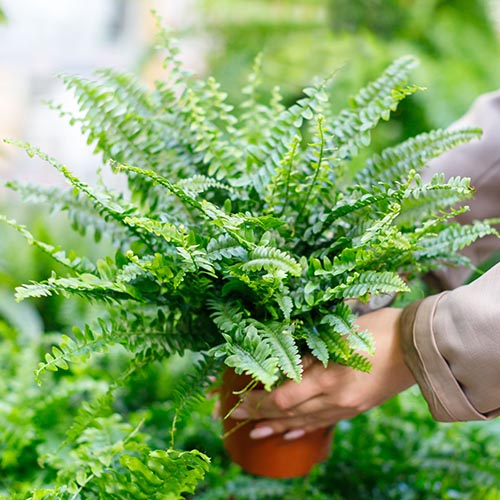
Tropical Ferns
- Boston Fern (Nephrolepis exaltata): Boston ferns are hardy and thrive in high humidity. Their feathery fronds provide excellent cover for pacman frogs and can help maintain humidity levels in the terrarium.
- Kangaroo Paw Fern (Microsorum diversifolium): This fern is known for its unique foliage and ability to adapt to various lighting conditions. It thrives in humid environments, making it perfect for pacman frogs.
Mosses
- Sheet Moss (Hypnum spp.): Moss is an excellent choice for maintaining humidity levels. It creates a natural look while providing a soft surface for pacman frogs to explore and hide.
- Java Moss (Taxiphyllum barbieri): Java moss is easy to care for and can be attached to rocks or driftwood in the vivarium. It helps retain moisture and provides cover for your frogs.
Small Tropical Plants
- Pothos (Epipremnum aureum): Pothos is a hardy plant that thrives in low-light conditions. Its trailing vines provide excellent cover and climbing opportunities for pacman frogs. Moreover, it helps purify the air in the vivarium.
- Philodendron (Philodendron spp.): Similar to pothos, philodendrons are adaptable and can grow in various conditions. They provide a lush, tropical feel to the habitat and serve as hiding spots.
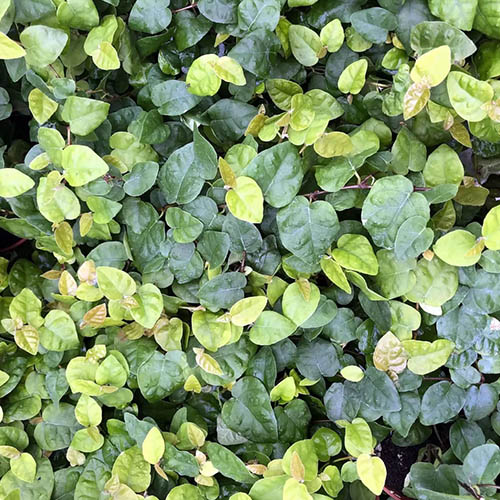
Ground Cover Plants
- Creeping Fig (Ficus pumila): This plant is great for creating a natural ground cover. It grows well in humid environments and can help create a visually appealing landscape in the vivarium.
- Bacopa (Bacopa monnieri): Bacopa is a low-growing plant that thrives in high humidity. It can be used as a ground cover or in small clusters to create a natural look.
Shrubs and Vines
- Hoya (Hoya spp.): Hoyas are known for their waxy leaves and beautiful flowers. They can be grown as trailing plants in a vivarium, adding aesthetic value and creating hiding spots for pacman frogs.
- Anthurium (Anthurium spp.): This plant is not only visually stunning but also thrives in humid environments. Its broad leaves provide excellent cover and contribute to the overall humidity of the habitat.
Plant Care and Maintenance
Maintaining the right conditions for your plants is vital for both their health and the wellbeing of your pacman frogs. Here are some key factors to consider:

Humidity: Pacman frogs require high humidity levels (between 50% and 80%). Regular misting, a substrate that retains moisture, and live plants will help maintain this environment.
Lighting: While many of the recommended plants can thrive in low light, a moderate lighting system can benefit their growth. LED lights with a timer can simulate a natural day-night cycle without generating excessive heat.
Temperature: Pacman frogs prefer temperatures ranging from 24°C to 30°C (75°F to 86°F). Ensure that your vivarium maintains a consistent temperature, as drastic changes can stress your frogs.
Substrate: A suitable substrate will not only support plant growth but also help maintain humidity levels. Consider using a mix of coconut coir, sphagnum moss, and organic soil to create a thriving environment for both plants and frogs.
Fertilisation: Use a diluted, liquid fertiliser designed for houseplants to nourish your plants. However, be cautious not to over-fertilise, as this can harm your frogs.
Creating a Balanced Ecosystem
When incorporating plants into a pacman frog habitat, it’s crucial to maintain a balanced ecosystem. The presence of live plants can help regulate humidity, provide hiding spots, and contribute to the overall health of the vivarium. Additionally, plants can help reduce the buildup of waste and toxins, creating a more stable environment for your frogs.
Creating a suitable habitat for pacman frogs involves careful consideration of plant selection and environmental conditions. By incorporating a variety of tropical plants, such as ferns, mosses, and small shrubs, you can create a lush, thriving environment that mimics their natural habitat. Proper care and maintenance of these plants will not only enhance the aesthetic appeal of the vivarium but also contribute to the health and happiness of your pacman frogs.
References
Thompson, E. (2022). “Humidity Control in Amphibian Habitats.” Amphibian Biology, 45(4), 112-118.
Lentz, D. (2019). The Complete Guide to Pacman Frogs. Herpetological Review.
Allard, C. (2021). “Creating a Natural Habitat for Amphibians.” The Journal of Exotic Pet Medicine, 30(2), 56-67.
Jones, R. (2020). Tropical Plant Care for Reptile and Amphibian Enthusiasts. Pet Care Publications.
Smith, T., & Lee, J. (2018). “Best Practices for Vivarium Plant Selection.” Journal of Herpetology, 52(1), 23-34.