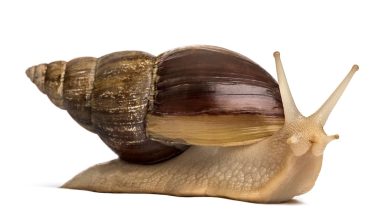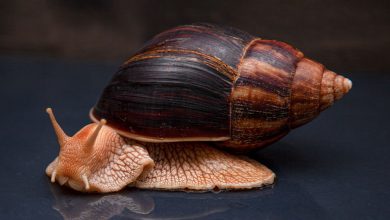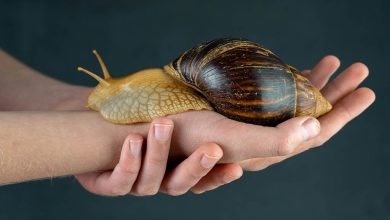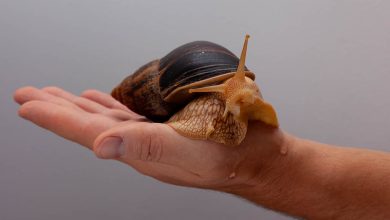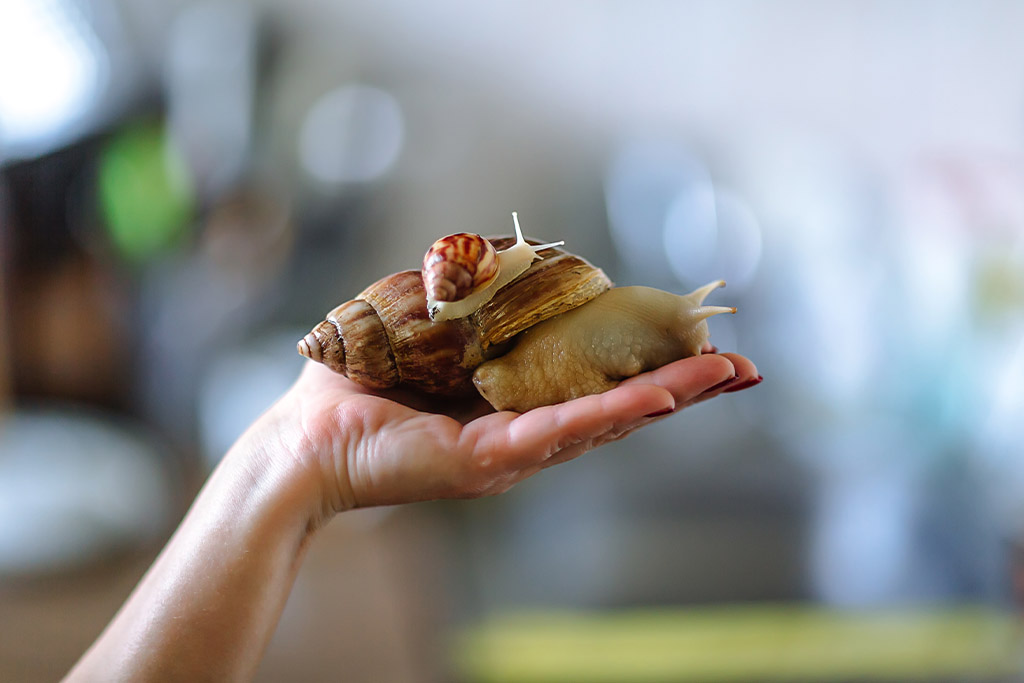
Breeding Giant African Land Snails (GALS) can be a rewarding experience for hobbyists and professionals alike. These molluscs are fascinating creatures, and with proper care, you can successfully manage their reproduction. Below is a comprehensive guide covering the essentials of breeding GALS, including preparing the habitat, understanding reproductive behaviour, egg incubation, and caring for hatchlings.
Understanding the Basics of GALS Reproduction
Giant African Land Snails are hermaphrodites, meaning each individual has both male and female reproductive organs. Despite this, they require a mate to reproduce. After successful mating, both snails may lay eggs. Common species like Achatina achatina and Archachatina marginata exhibit slightly different reproductive behaviours, with the former laying hundreds of small eggs and the latter laying fewer but larger eggs.
Creating the Ideal Breeding Environment
Enclosure Requirements:
- Use a large enclosure to accommodate the snails and maintain an optimal environment. A terrarium or plastic container with a lid works well, provided there are air holes for ventilation.
- Maintain a consistent temperature of 20–25°C (68–77°F) and high humidity levels between 75–90%. This can be achieved by lightly spraying the substrate with water daily.
Substrate:
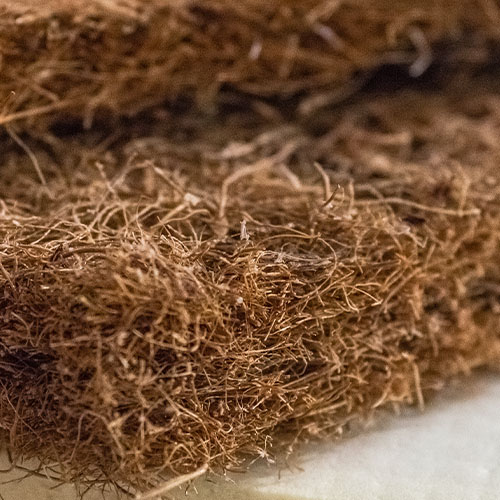
- Provide a moist but not waterlogged substrate, such as coconut coir, invertebrate pre-packed substrate or garden soil free from chemicals. The substrate should be at least 5–10 cm deep to allow for digging and egg-laying.
Lighting:
- Avoid direct sunlight, which can overheat the enclosure. Indirect natural light or a gentle light cycle of 12 hours on and 12 hours off is recommended to mimic natural conditions.
Dietary Needs:
- Feed a balanced diet rich in calcium to support reproductive health and shell development. Foods like leafy greens, cuttlebone, and calcium-enriched pastes are beneficial. Remove uneaten food daily to prevent mould growth.
Mating and Egg-Laying Behaviour
- Mating Process: Mating occurs when snails reach sexual maturity, usually between 6 months and 1 year old, depending on the species and conditions. The process can last several hours.
- Egg-Laying: After mating, snails lay their eggs in the substrate. Achatina species may lay up to 200 eggs in one clutch, while Archachatina typically lay fewer but larger eggs. Eggs are usually buried a few centimetres below the surface to provide protection.
Incubating the Eggs
Locating the Eggs:
- Carefully sift through the substrate to locate eggs without damaging them. Mark their position to avoid disturbing them further.
Incubation Conditions:
- Place the eggs back into moist substrate if they need relocation. The incubation temperature should remain around 20–25°C with high humidity to prevent the eggs from drying out.
Monitoring:
- Check the substrate daily to ensure it remains moist but not soggy. Eggs generally hatch within 2–4 weeks, depending on the species and environmental conditions.
Caring for Hatchlings
Initial Care:
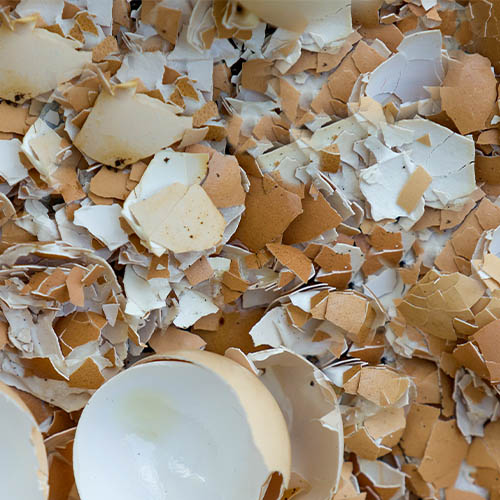
- Hatchlings are delicate and require immediate access to soft food and calcium sources, such as crushed eggshells or fine calcium powder.
- Keep them in a separate enclosure initially to avoid competition for food and accidental harm from larger snails.
Growth Stages:
- As they grow, gradually introduce a variety of foods. Avoid processed foods, citrus, and salty items, which can harm the snails.
Maintenance:
- Regularly clean the enclosure to prevent mould and maintain hygiene. Replace substrate when it becomes excessively soiled.
Tips for Ethical Breeding
- Avoid over-breeding to prevent overcrowding and stress among your snails.
- Consider rehoming plans for hatchlings in advance, as each breeding cycle can result in hundreds of offspring.
- Always ensure you comply with local regulations regarding the keeping and breeding of Giant African Land Snails, as it is illegal to release them into the wild (eggs to adults) due to their invasive potential.
Troubleshooting Common Issues
Eggs Not Hatching:
- Ensure optimal temperature and humidity levels are maintained. Overly dry or cold conditions can prevent eggs from developing.
Hatchlings Not Thriving:
- Check the availability of calcium and fresh food. Weak shells or slow growth often indicate dietary deficiencies.
Overpopulation:
- To control population growth, you can remove and freeze unhatched eggs before disposal. Always handle this process ethically and humanely.
Breeding Giant African Land Snails is an enriching experience that offers insights into their fascinating life cycle. By following these guidelines, you can ensure the health and well-being of your snails while responsibly managing their reproduction.
References
- Keeping Bugs. Giant African Land Snails: A Practical Care Guide. Keeping Bugs.
- Conchological Society of Great Britain and Ireland. Giant African Land Snails Overview. Conchsoc.org.
- Info Animals. How to Raise Snails: A Step-by-Step Guide. Info Animals.