The Tokay gecko (Gekko gecko) is a vibrant and captivating reptile that makes a fascinating pet for enthusiasts and experienced keepers alike. Originating from Southeast Asia, these nocturnal lizards are known for their striking colours, unique vocalisations, and robust personalities. However, to ensure a healthy and thriving environment for your Tokay gecko, selecting the right enclosure is of paramount importance. This article will guide you through the essential factors to consider when choosing the ideal habitat for your Tokay gecko, covering enclosure size, materials, heating, humidity, and decor.
Understanding Tokay Gecko Habitats
Before diving into specifics, it’s vital to understand the natural habitat of the Tokay gecko. In the wild, these reptiles inhabit tropical forests, often found in tree canopies and rocky areas. They thrive in humid environments and are known to be quite territorial. Keeping this in mind will help you create a suitable enclosure that mimics their natural habitat.
Enclosure Size
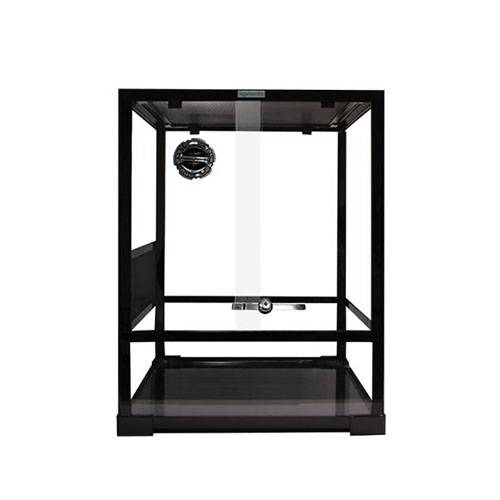
One of the most crucial factors when selecting an enclosure for your Tokay gecko is size. A larger enclosure provides ample space for movement, exploration, and exercise, which are essential for their well-being.
Group Housing: While it’s generally not advisable to house multiple Tokay geckos together due to their territorial nature, if you do consider keeping more than one, ensure that the enclosure is significantly larger, with sufficient hiding spots and climbing areas to minimise stress and aggression.
Minimum Size: For a single adult Tokay gecko, a minimum enclosure size of 60cm x 45cm x 90cm (24” x 18” x 36”) is recommended. However, larger is always better. The taller dimensions will allow for vertical space, which is essential for climbing.
Enclosure Materials
The materials used for the enclosure play a significant role in the overall health and safety of your Tokay gecko. The most common materials are glass and plastic, each with its pros and cons.
- Glass Terrariums: Glass enclosures provide excellent visibility and allow for easy observation of your pet. They also retain humidity well, which is beneficial for Tokay geckos. Ensure that the terrarium has a secure lid, as these geckos are known for their escape attempts.
- Plastic Enclosures: While more lightweight and often more affordable than glass, plastic enclosures can scratch easily and may not retain humidity as effectively. However, they can be a good option if they have proper ventilation.
- Ventilation: Regardless of the material you choose, proper ventilation is crucial to prevent mould and maintain air quality. Look for enclosures with screened tops or side ventilation holes.
Heating and Lighting
Maintaining appropriate temperatures is vital for the health of your Tokay gecko. In their natural habitat, these lizards experience a warm tropical climate, so replicating this environment is key.
Lighting: Tokay geckos are nocturnal, so they don’t require UVB lighting like some other reptiles. However, if you choose to provide a low-intensity light during the day, ensure it mimics natural daylight without being overly bright.
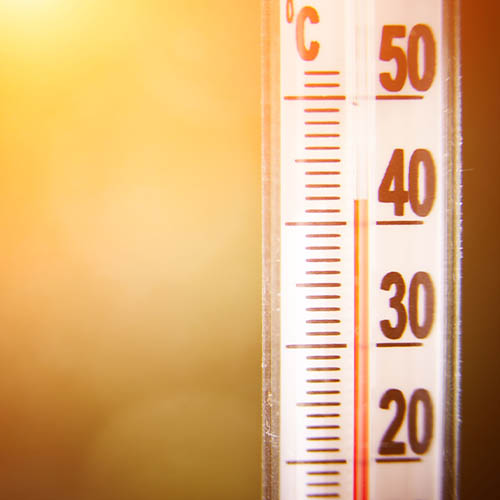
Temperature Gradients: The enclosure should provide a temperature gradient, with a basking spot reaching between 32°C to 35°C (90°F to 95°F) and a cooler area around 24°C to 27°C (75°F to 80°F). This gradient allows your gecko to regulate its body temperature effectively.
Heating Sources: Under-tank heating pads, ceramic heat emitters, or heat lamps can be used to achieve the desired temperatures. Always monitor the temperatures using a reliable thermometer and avoid direct contact with heat sources to prevent burns.
Humidity Control
Tokay geckos thrive in humid environments, making humidity control essential in their enclosure. In their natural habitats, humidity levels can reach 60-80%.
- Substrate: Use a substrate that retains moisture, such as coconut fibre, sphagnum moss, or a mixture of both. Avoid substrates that can cause impaction if ingested, such as sand.
- Humidity Sources: Regular misting of the enclosure, along with a water dish, can help maintain humidity levels. Consider using a hygrometer to monitor humidity accurately.
- Hiding Spots and Decor: Adding live or artificial plants can also help maintain humidity levels, as well as providing hiding spots for your gecko. Ensure that any decor is secure and can’t tip over, as Tokay geckos are known to be active climbers.
Decor and Enrichment
Creating a stimulating environment is essential for the physical and mental well-being of your Tokay gecko. Decor should mimic their natural habitat and provide plenty of opportunities for climbing and hiding.
Live Plants: While not mandatory, live plants can enhance the aesthetic of the enclosure and improve humidity levels. Ensure that any plants are non-toxic and suitable for reptiles.
Climbing Structures: Incorporate branches, logs, or cork bark to create vertical space for climbing. Ensure these are securely placed to prevent accidents.
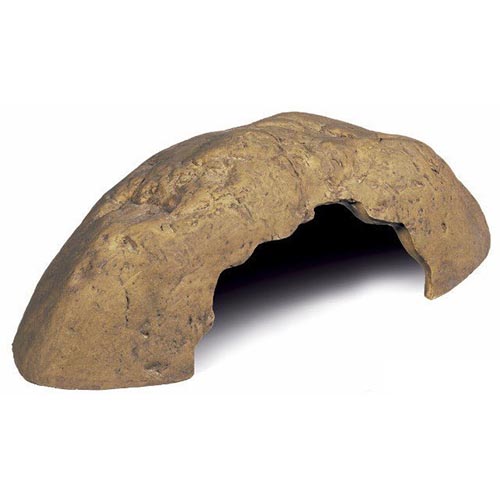
Hiding Spots: Provide multiple hiding places using rocks, caves, or commercially available hides. This allows your gecko to feel secure and reduces stress.
Maintenance
Regular maintenance of the enclosure is vital to keep your Tokay gecko healthy. This includes cleaning, monitoring temperature and humidity, and replacing substrate as necessary.
- Cleaning Schedule: Spot clean daily to remove waste and uneaten food. A thorough clean should be performed weekly, including disinfecting the enclosure with reptile-safe cleaners.
- Temperature and Humidity Checks: Regularly monitor temperature and humidity levels to ensure they remain within the appropriate range.
- Substrate Replacement: Depending on the type of substrate used, you may need to replace it entirely every month or so to prevent mould and bacteria growth.
Common Mistakes to Avoid
When setting up an enclosure for your Tokay gecko, certain mistakes can compromise their well-being. Here are a few common pitfalls to avoid:
- Too Small Enclosure: Providing an inadequate space can lead to stress and behavioural issues. Always opt for a larger enclosure if possible.
- Inadequate Hiding Spots: Without sufficient hiding places, Tokay geckos can feel exposed and stressed. Ensure a variety of hides are available.
- Improper Temperature or Humidity: Failing to monitor environmental conditions can lead to health issues. Regularly check and adjust as needed.
- Overcrowding: If you choose to house more than one Tokay gecko, be cautious. Overcrowding can lead to aggression and territorial disputes.
Choosing the right enclosure for your Tokay gecko is crucial to ensuring its health, happiness, and longevity. By considering size, materials, heating, humidity, decor, and maintenance, you can create an environment that closely mimics their natural habitat. Remember that Tokay geckos are unique and require dedicated care and attention. With the right setup, you’ll enjoy the companionship of this vibrant reptile for many years to come.
References
National Geographic. (2020). The Life of the Tokay Gecko. Available at nationalgeographic.com
Smith, A. (2021). The Complete Guide to Reptile Care: Tokay Geckos. Reptiles Magazine.
Thompson, R. (2022). Geckos: Care, Breeding, and Husbandry. Herpetological Journal.
Wilson, D. (2020). Understanding the Natural Habitats of Reptiles. Journal of Tropical Ecology.
Reptiles Magazine. (2019). Setting Up the Perfect Terrarium for Your Gecko.
PetSmart. (2023). Tokay Gecko Care Guide. Available at petsmart.com