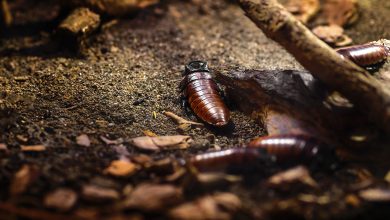
Madagascan hissing cockroaches (Gromphadorhina portentosa) are fascinating creatures that make excellent pets for both novice and experienced keepers. Known for their impressive size and distinctive hissing sound, these cockroaches require a carefully curated habitat to thrive. One of the most crucial aspects of their enclosure is the substrate, which can significantly influence their overall health, behaviour, and wellbeing. This article explores the importance of substrate selection, various types available, and tips for maintaining a suitable environment for your Madagascan hissing cockroach.
Understanding the Role of Substrate
Substrate serves multiple purposes in a cockroach habitat. It provides:
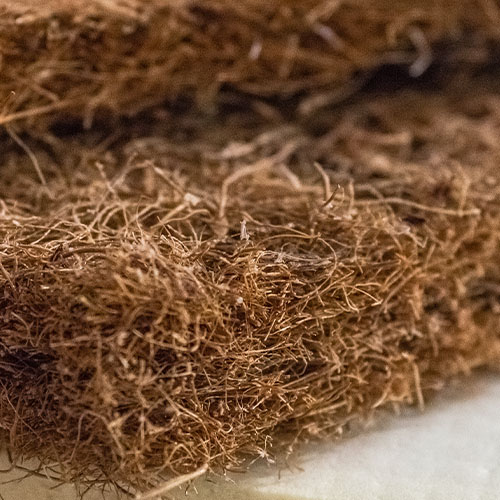
Natural Habitat Simulation: In the wild, Madagascan hissing cockroaches inhabit forests with rich, organic matter underfoot. A suitable substrate mimics their natural environment, helping them feel secure and comfortable.
Moisture Retention: Cockroaches require humidity to thrive. An appropriate substrate can retain moisture, helping to maintain a humid environment that promotes hydration and skin shedding.
Bacterial Breakdown: Substrates like coconut coir and organic soil foster beneficial bacteria and microorganisms that assist in breaking down waste, promoting a healthy ecosystem within the enclosure.
Behavioural Enrichment: A varied substrate allows for natural behaviours such as burrowing, foraging, and hiding, contributing to the overall mental and physical health of the cockroaches.
Factors to Consider When Choosing Substrate
Moisture Retention
Madagascan hissing cockroaches thrive in humid environments. The substrate should be able to retain moisture without becoming waterlogged, which can lead to mould growth and respiratory issues. Materials like coconut coir and peat moss are excellent choices for their moisture-retaining properties.
Drainage
While retaining moisture is vital, proper drainage is equally important. A substrate that holds too much water can create anaerobic conditions harmful to both the cockroaches and the beneficial organisms within the habitat. It’s beneficial to create a layered substrate, with a drainage layer (like gravel or coarse sand) beneath the moisture-retaining layer.
pH Level
The substrate’s pH level can affect the overall health of your cockroaches. Ideally, the substrate should have a neutral pH (around 6.0 to 7.0). Testing the substrate before introducing it to the enclosure can prevent potential health issues.
Odour Control
Some substrates may produce unpleasant odours, especially when wet or contaminated with waste. Choosing substrates with natural antibacterial properties, like coconut coir or specific commercial blends, can help manage odours effectively.
Chemical Residues
It’s crucial to select substrates free from pesticides, herbicides, and other chemicals that could harm your cockroaches. Always opt for organic materials or those specifically designed for insect habitats.
Ease of Maintenance
Consider how easy the substrate is to clean and maintain. Some materials may need to be replaced entirely after a certain period, while others can be spot-cleaned and reused. A balance between maintenance and longevity is ideal for most keepers.
Recommended Substrates for Madagascan Hissing Cockroaches
Here are some suitable substrates for Madagascan hissing cockroaches, along with their pros and cons:
Coconut Coir
Description: Coconut coir is made from the fibrous husk of coconuts and is widely used in terrariums and vivariums.
Pros:
- Excellent moisture retention
- pH neutral
- Natural antibacterial properties
- Biodegradable and sustainable
Cons:
- Can become compacted over time, requiring periodic replacement
- May be difficult to find in bulk
Peat Moss
Description: Peat moss is decomposed plant material harvested from bogs.
Pros:
- Good moisture retention
- Lightweight and easy to handle
- Naturally acidic, which may benefit certain species
Cons:
- Environmental concerns regarding sustainable harvesting
- Can become compacted, limiting airflow
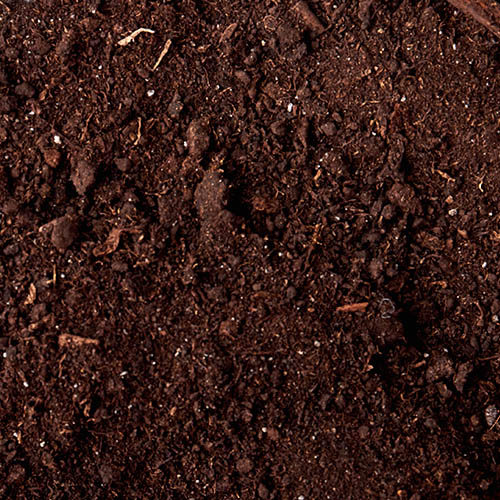
Organic Potting Soil
Description: Organic potting soil typically contains a mix of peat, compost, and perlite.
Pros:
- Rich in nutrients
- Good moisture retention and drainage
- Readily available at garden centres
Cons:
- May contain added fertilizers that could harm cockroaches
- Possible presence of pests or pathogens if not sterilised
Horticultural Grade Sand
Description: Horticultural sand is coarse sand specifically designed for gardening and landscaping.
Pros:
- Excellent drainage properties
- Helps prevent compaction of other substrate materials
- Easy to clean
Cons:
- Poor moisture retention on its own, requires mixing with other materials
- Can become dusty, which may affect air quality
Mixed Substrate
Description: A mixture of various substrates can create a balanced environment.
Pros:
- Customisable to suit specific needs
- Combines the best qualities of different substrates (e.g., moisture retention, drainage)
Cons:
- Requires careful consideration to ensure compatibility
- Maintenance can be more complex
Creating the Perfect Substrate Layering
A well-layered substrate can enhance the overall habitat for your Madagascan hissing cockroaches. Here’s a recommended layering technique:
Base Layer (Drainage): Start with a 1-2 inch layer of coarse gravel or horticultural sand to allow for proper drainage.
Moisture Retaining Layer: Add a 3-4 inch layer of coconut coir or peat moss on top of the drainage layer. This layer should be moist but not waterlogged.
Organic Material (Optional): Incorporating organic matter, such as shredded leaf litter or organic potting soil, can enhance the substrate’s nutritional content and mimic a natural environment.
Top Layer: For aesthetic purposes and to help manage odours, you may add a thin layer of dry leaf litter or bark chips on top. This layer can also provide hiding places and foraging opportunities.
Maintenance and Care
Choosing the right substrate is only the first step. Proper maintenance is crucial to ensure a healthy environment for your Madagascan hissing cockroaches:
Regular Monitoring: Check the substrate for signs of mould, excessive moisture, or foul odours. If any issues arise, it may be necessary to replace or clean portions of the substrate.
Spot Cleaning: Remove waste, uneaten food, and any dead cockroaches regularly to maintain hygiene.
Moisture Management: Depending on the humidity levels in your home, you may need to adjust the moisture in the substrate. Lightly misting the substrate can help maintain appropriate humidity levels.
Replace Substrate as Needed: Depending on the type of substrate used and the size of the enclosure, complete substrate changes may be necessary every few months. When doing so, ensure that any beneficial bacteria and microorganisms are preserved by not completely disturbing the entire substrate layer.
Consider Seasonal Changes: Adjust the substrate and humidity levels according to seasonal variations, especially if your home experiences significant changes in temperature and humidity.
Choosing the right substrate for your Madagascan hissing cockroach is crucial for their health, wellbeing, and overall happiness. By understanding their natural habitat needs and considering factors such as moisture retention, drainage, and maintenance, you can create an optimal living environment for these remarkable insects. Whether you opt for coconut coir, peat moss, or a custom substrate blend, providing a substrate that mimics their natural habitat will help your cockroaches thrive. With proper care and attention to their substrate, you can enjoy the captivating behaviour and unique traits of Madagascan hissing cockroaches for years to come.
References
Johnson, K. (2021). Creating a Healthy Habitat: Substrates for Cockroaches and Other Insects. Exotic Pet Journal, 10(4), 19-25.
Hembree, D. I. (2017). The Importance of Substrate Choice for Insect Care: A Guide for Enthusiasts. Insect Enthusiast Journal, 12(3), 45-52.
Schwartz, G. (2020). Understanding Humidity and Substrate in Insect Care. Reptile and Insect Care Monthly, 25(7), 14-20.
Reeder, R. (2019). Caring for Madagascan Hissing Cockroaches: A Keeper’s Guide. Urban Insect Journal, 8(2), 32-37.
Smith, A. J. (2022). Cockroach Substrate Choices: What Works Best? Insect Habitat Studies, 15(5), 88-95.