Bearded dragons, affectionately known as “beardies,” are one of the most popular reptile pets around the world, especially in the UK. These small, gentle creatures make excellent pets due to their docile nature, manageable size, and relatively easy care requirements. If you are new to reptile keeping and considering adopting a bearded dragon, this beginner’s guide will walk you through the essentials to ensure your dragon stays healthy, happy, and thrives in your care.
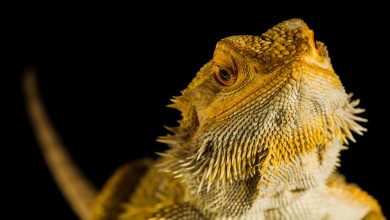
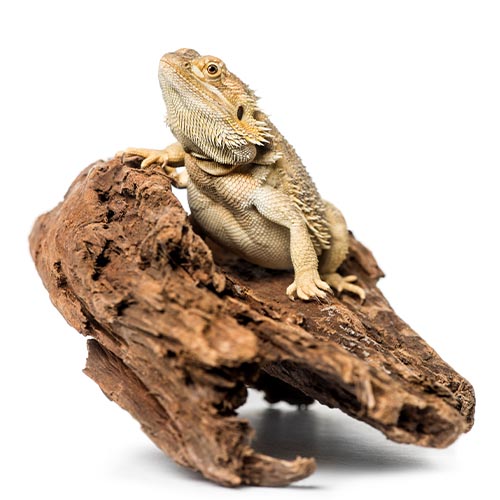
Bearded dragons are a type of lizard originating from the arid, semi-desert regions of Australia. Their name derives from the “beard” of spiky skin under their chin, which they puff up when threatened or excited. They belong to the genus Pogona, and the species most commonly kept as pets is Pogona vitticeps, also known as the Central or Inland Bearded Dragon.
These reptiles are known for their mild temperament, making them perfect for beginner reptile owners. They grow up to 45-60 cm (18-24 inches) in length, including their tail, and can live between 8 and 12 years with proper care.
Subspecies of Bearded Dragons
Pogona vitticeps: The most common pet variety, the Inland or Central Bearded Dragon.
Pogona barbata: Eastern Bearded Dragon, generally larger and less common in the pet trade.
Pogona minor: Rankin’s Dragon, which is smaller than the Central Bearded Dragon.
Understanding the specific species or subspecies of your bearded dragon will help you tailor your care routine to its exact needs.
Housing and Enclosure
One of the most important factors in bearded dragon care is providing an appropriate environment. In the wild, these lizards bask under the hot Australian sun and retreat into the shade to cool down, so recreating this environment in captivity is essential.
Enclosure Size
For an adult bearded dragon, a vivarium (a glass or wooden enclosure) measuring at least 120 cm (4 feet) long, 60 cm (2 feet) wide, and 60 cm (2 feet) high is recommended. Larger is always better, especially as bearded dragons are active and enjoy roaming within their habitat. Hatchlings and juveniles can initially be housed in smaller enclosures, but it’s important to upgrade as they grow.
Substrate
The substrate is the material used on the floor of the vivarium. There is a lot of debate over the best substrate, but commonly used materials include:
Tile: Easy to clean, hygienic, and provides a natural rocky feel.
Reptile carpet: A soft, non-loose option that can be cleaned regularly.
Calcium sand: Although popular, this is risky because bearded dragons can ingest it, leading to impaction (digestive blockage).
Sand soil mixes: Arguably the most natural substrate, lower risk of impaction and allows natural behaviours such as digging.
To avoid complications like impaction, non-particle substrates (like tile or carpet) are often the safest choice for beginner owners.
Lighting and Heating
Bearded dragons need both UVB lighting and heat to stay healthy. The UVB light helps them synthesise vitamin D3, which is essential for calcium absorption and prevents metabolic bone disease. The lighting setup should consist of:
UVB bulb: It should cover around 2/3 of the enclosure and be on for 10-12 hours a day. Should be using a 10% or 10.0 as minimum but 12 – 14% are preferable. Replace UVB bulbs every 6-12 months, as their effectiveness diminishes over time.
Basking bulb: This is necessary to create a basking spot that reaches temperatures of 37-42°C (100-108°F). The cool side of the enclosure should be around 22-26°C (72-79°F). Use a thermometer to monitor both ends of the vivarium.
Night-time temperatures can drop to around 18°C (65°F), and no additional heating is necessary unless your home is particularly cold.
Furnishings
Bearded dragons enjoy climbing and exploring their surroundings. Providing branches, rocks, and hides will give your pet both mental stimulation and opportunities for exercise. Make sure all decorations are sturdy, as bearded dragons can be quite strong.
Feeding Your Bearded Dragon
Bearded dragons are omnivores, meaning they eat a varied diet of both plant and animal matter. Their diet changes as they age, with juveniles consuming more protein and adults eating more vegetables.
Juvenile Diet (0-12 months)
Insects: Young bearded dragons require a high-protein diet to support their rapid growth. You should feed them insects like crickets, locusts, and dubia roaches daily. These should be gut-loaded (fed nutritious foods) and dusted with calcium and vitamin supplements.
Vegetables: Around 20% of their diet should consist of finely chopped vegetables, such as collard greens, kale, and butternut squash.
Adult Diet (12+ months)
Insects: Adults only need to eat insects 2-3 times per week. Feeding them daily can lead to obesity.
Vegetables: Around 80% of their diet should be leafy greens and other vegetables.
Fruit: Offer fruit as a treat, about once a week, in small quantities. Popular choices include berries, apples, and melon.
Feeding Tips
Water: Provide fresh water in a shallow dish daily. Although bearded dragons don’t always drink from standing water, they absorb moisture from their food. You can also lightly mist their vegetables or offer them a bath for extra hydration.
Calcium Supplementation: Calcium is vital for their bone health. Dust insects and vegetables with calcium powder 3-4 times a week for juveniles and 2-3 times for adults.
Avoid toxic foods: Do not feed avocado, fireflies, or rhubarb as these are toxic to bearded dragons.
Handling and Temperament
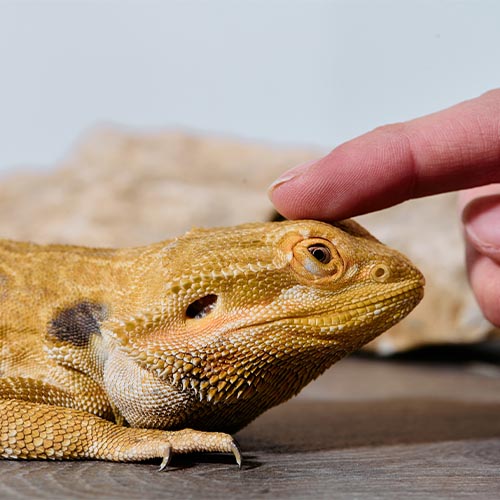
Bearded dragons are known for their calm and gentle nature, making them relatively easy to handle compared to other reptiles. They generally tolerate human interaction well, and many enjoy being held.
Tips for Handling
Support their body: Always support your dragon’s body by gently cradling them under their belly. Allow them to sit in your hand or on your arm.
Start slow: If your dragon is new or young, give it time to adjust before handling too frequently. Begin with short, calm sessions and increase handling as they grow more comfortable.
Be patient: Some bearded dragons may be skittish at first. With patience and gentle handling, most will become tame and enjoy interacting with their owner.
Health Care and Common Issues
Maintaining good husbandry practices will go a long way in keeping your bearded dragon healthy, but it’s also important to be aware of common health issues that might arise.
Common Health Problems
Metabolic Bone Disease (MBD): This is a common issue caused by a lack of calcium or UVB exposure. Symptoms include weakness, soft bones, and deformities. Prevent this by ensuring your dragon gets proper UVB lighting and calcium supplementation.
Impaction: This occurs when a bearded dragon swallows a foreign object or too much substrate, causing a blockage in the digestive system. Avoid loose substrates like sand, and never feed insects that are too large for your dragon to digest.
Respiratory Infections: Bearded dragons can develop respiratory infections if their enclosure is too cold or humid. Symptoms include wheezing, gaping, and lethargy. Make sure to maintain appropriate temperatures and a dry environment.
Parasites: Parasites can be an issue, especially in wild-caught or improperly kept bearded dragons. Symptoms include diarrhoea, weight loss, and lethargy. Regular vet check-ups can help identify and treat parasitic infections.
Bathing
Bearded dragons often enjoy baths, and it can help with hydration and shedding. Offer your dragon a shallow bath of lukewarm water once or twice a week. Make sure the water level is low and never leave your dragon unattended while bathing.
Shedding
Like other reptiles, bearded dragons shed their skin. Juveniles shed more frequently, while adults may only shed a few times a year. Ensure your dragon has a proper diet, and offer gentle misting or baths to help with the shedding process.
Lifespan and General Care Tips
Bearded dragons can live between 8-12 years, though some may live longer with excellent care. Keeping your dragon healthy involves regular attention to their environment, diet, and health. Here are a few key tips for long-term care:
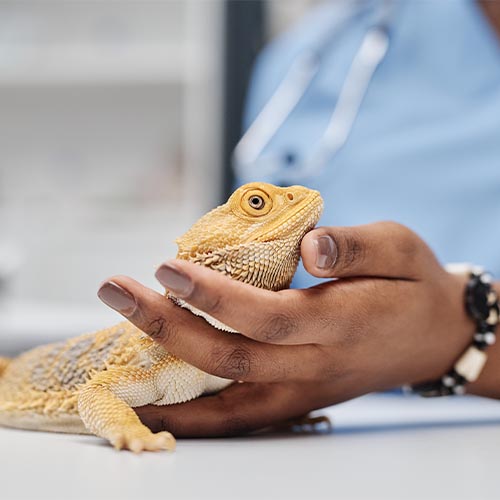
Veterinary care: Regular check-ups with a reptile-savvy vet are essential for monitoring your dragon’s health.
Hygiene: Clean the vivarium regularly to prevent the build-up of harmful bacteria. Spot-clean daily and do a deep clean at least once a month.
Enrichment: Bearded dragons are intelligent reptiles. Provide them with climbing structures, toys, or even safe supervised time outside their enclosure to explore.
Owning a bearded dragon can be a rewarding experience, but it requires a commitment to providing the right environment, diet, and care. By following the guidelines laid out in this beginner’s guide, you can ensure that your bearded dragon stays healthy and happy for years to come. As with any pet, always continue learning, and don’t hesitate to seek advice from more experienced reptile keepers or a trusted vet.
References:
Bearded Dragon Care Guide. (n.d.). Reptiles Magazine. [https://www.reptilesmagazine.com/bearded-dragon-care/]
Pogona Vitticeps Information. (n.d.). The British Dragon Society. [https://www.thebds.org.uk/pogona-vitticeps]
Bearded Dragon Diet and Feeding Guide. (n.d.). RSPCA UK. [https://www.rspca.org.uk/adviceandwelfare/pets/other/beardeddragons]
Bearded Dragon Substrate and Enclosure Recommendations. (n.d.). The Reptile Database. [https://www.reptiledatabase.org/enclosures-substrate]
Metabolic Bone Disease in Bearded Dragons. (n.d.). Vetstream. [https://www.vetstream.com/metabolic-bone-disease-bearded-dragons]